Business
European stocks rise as banks rally, Middle East risks linger
European shares edged higher as bank stocks drew buyers and traders measured how much geopolitical risk was still being priced into the market. The STOXX 600 rose 0.5% to 624.78 points by 0846 GMT, while the EURO STOXX Banks index led sector gains with a 1.8% advance.
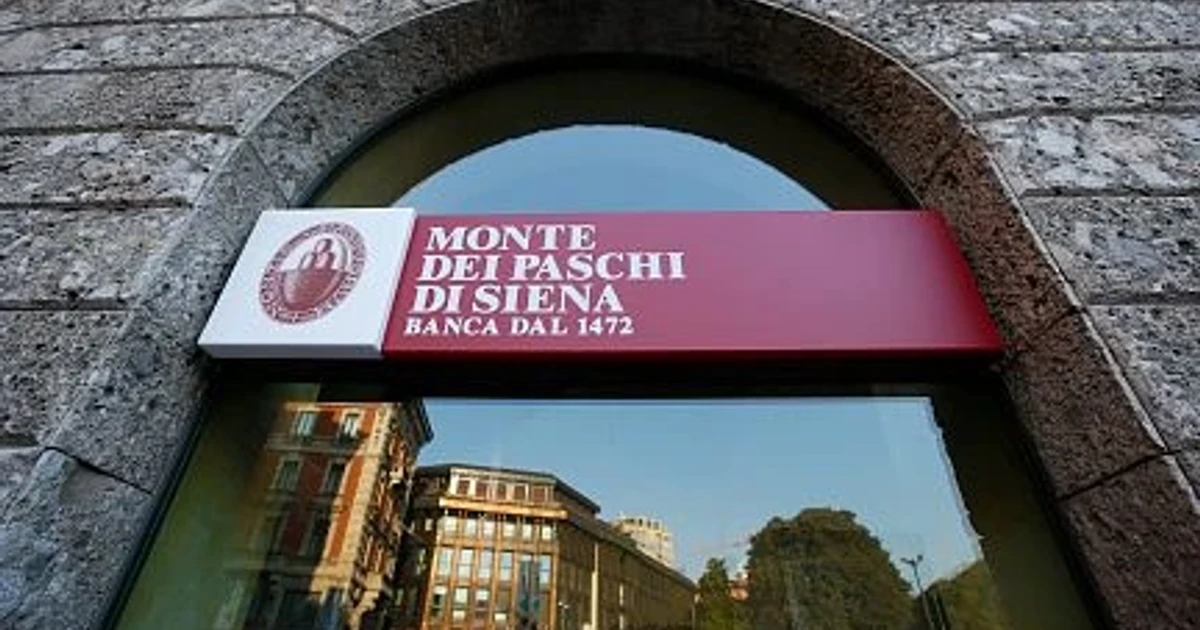
Italy’s financial sector did much of the heavy lifting. Intesa Sanpaolo launched an unsolicited €30.6 billion bid for Monte dei Paschi di Siena, an offer that would create the euro zone’s second-largest lender by market value. Intesa’s plan also included a separate transaction worth between €3 billion and €3.5 billion with Unipol Assicurazioni for the Monte dei Paschi brand, 635 branches and associated central operations. Banco BPM had also made a takeover approach, keeping investors focused on a broader wave of consolidation across Italian banking and insurance.
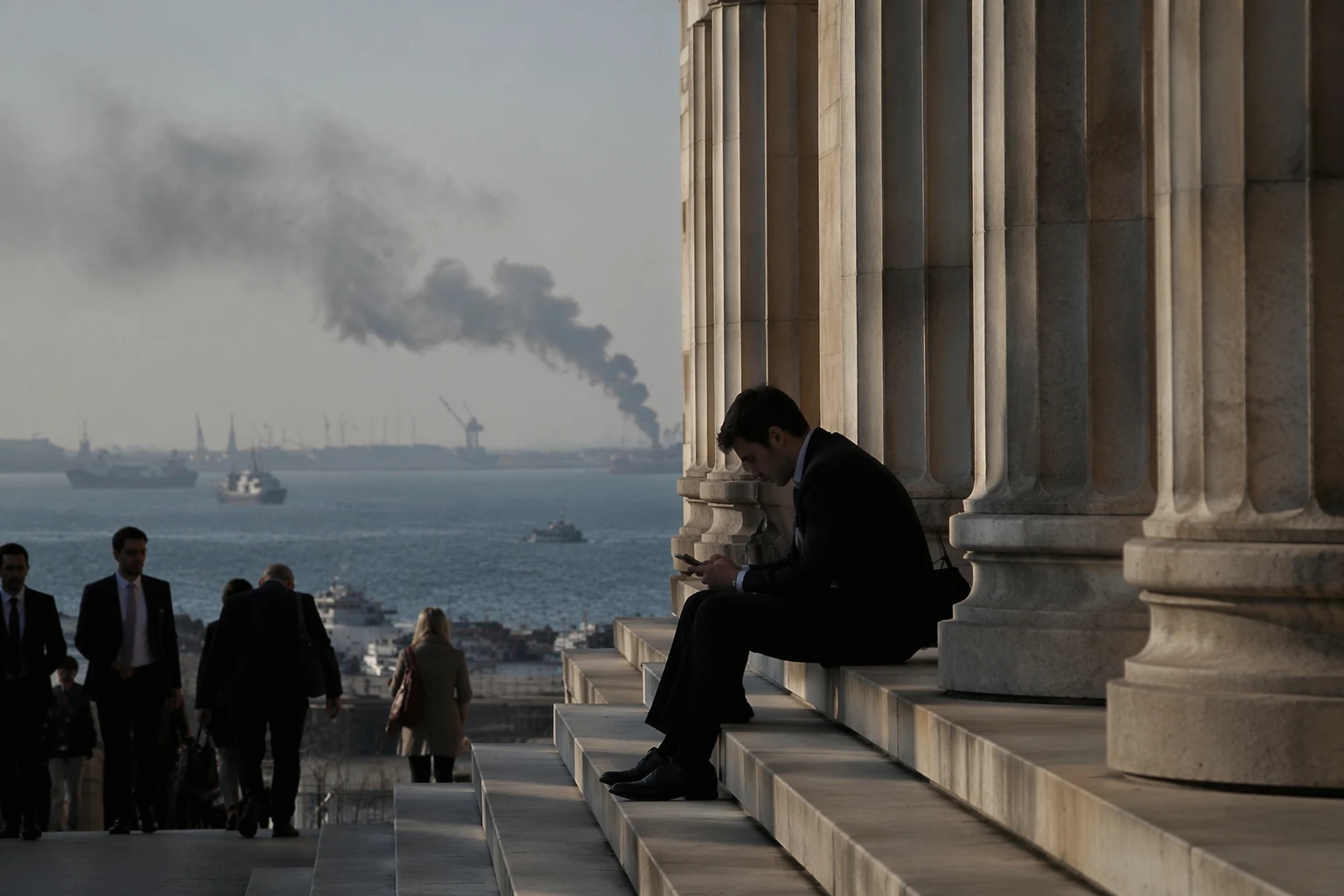
The appeal of banks went beyond deal speculation. Lenders have been sensitive to the prospect that a steadier geopolitical backdrop and firmer policy rates could support earnings and valuations, especially after months of uncertainty around the path of inflation and growth. That helped explain why the sector outperformed even as the wider market stayed cautious rather than euphoric.
The Middle East remained the key restraint. Investors were encouraged by signs that Iran and Israel had halted attacks on each other, but confidence was limited because diplomacy had not yet produced a durable peace and the Strait of Hormuz remained shut. That chokepoint normally carries about one-fifth of global oil and gas flows, making it one of the most immediate transmission channels from conflict to European markets through energy prices, shipping disruption and risk appetite. The World Bank has said the Hormuz closure triggered the largest oil market shock in history, a reminder of how quickly supply fears can feed into inflation expectations.
Those inflation expectations were already in view as the European Central Bank prepared for a policy decision later in the week. A May poll found 59 of 70 economists expected the ECB to raise the deposit rate by 25 basis points to 2.25% in June, and the central bank looked set to deliver a first interest-rate increase in a year. Craig Cameron of Franklin Templeton said markets had been moving in a holding pattern for the past week or two, with Middle East developments and AI-driven volatility pulling in opposite directions and enough “pushes and pulls” to balance each other out.
The day’s trading was not confined to banks. GSK fell after agreeing to buy U.S.-based Nuvalent for $10.6 billion, underlining how company-specific deal flow continued to move parts of the market even as traders kept one eye on oil, shipping lanes and the durability of the ceasefire.