Technology
Europe’s AI sovereignty fears dominate G7 and VivaTech talks
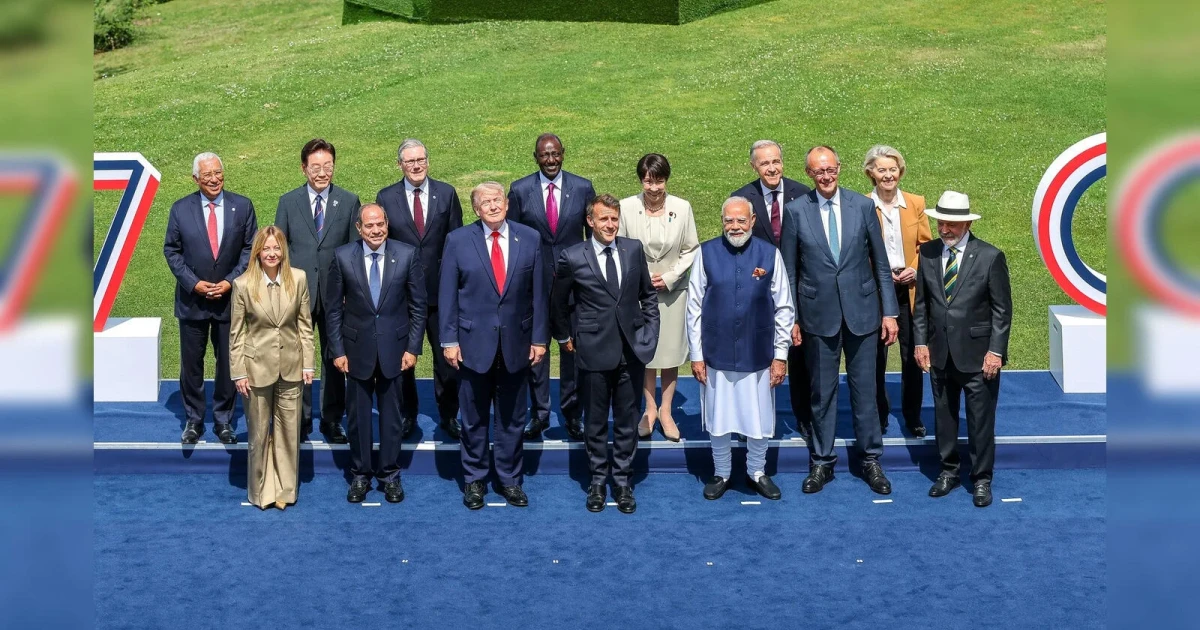
Europe’s AI debate hardened into a sovereignty argument as leaders gathered in Evian-les-Bains and Paris on June 17, confronting a simple risk: the continent wants control over the systems it uses, but still depends heavily on American cloud infrastructure, semiconductor design and frontier AI research.
The pressure sharpened after the United States tightened restrictions on Anthropic’s most advanced models for foreign nationals just days earlier, a move that underscored how quickly access to key AI tools could change if Washington alters policy. That backdrop made the week’s talks about far more than innovation. The real question was whether Europe can build credible alternatives fast enough to avoid being locked into U.S. technology decisions.
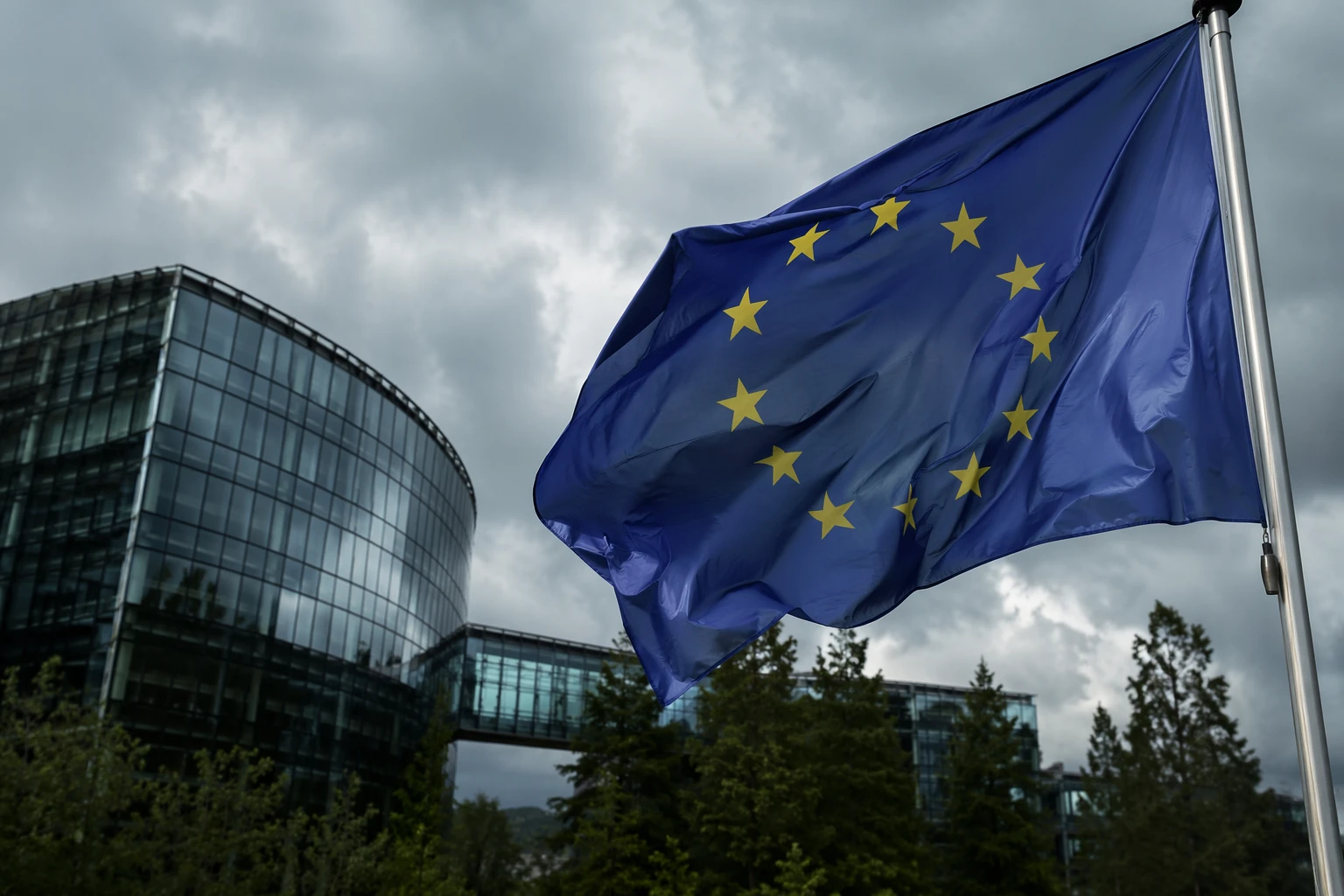
At the G7 session in Evian-les-Bains, senior executives from Anthropic, OpenAI, Google and Mistral were set to discuss AI competitiveness, regulation and Europe’s dependence on foreign technology, including China for critical minerals. In Paris, VivaTech expected more than 180,000 visitors, startups, policymakers and executives, turning the city into a live test case for Europe’s ambitions and anxieties at the same time. Amazon founder Jeff Bezos was among the names expected to attend.
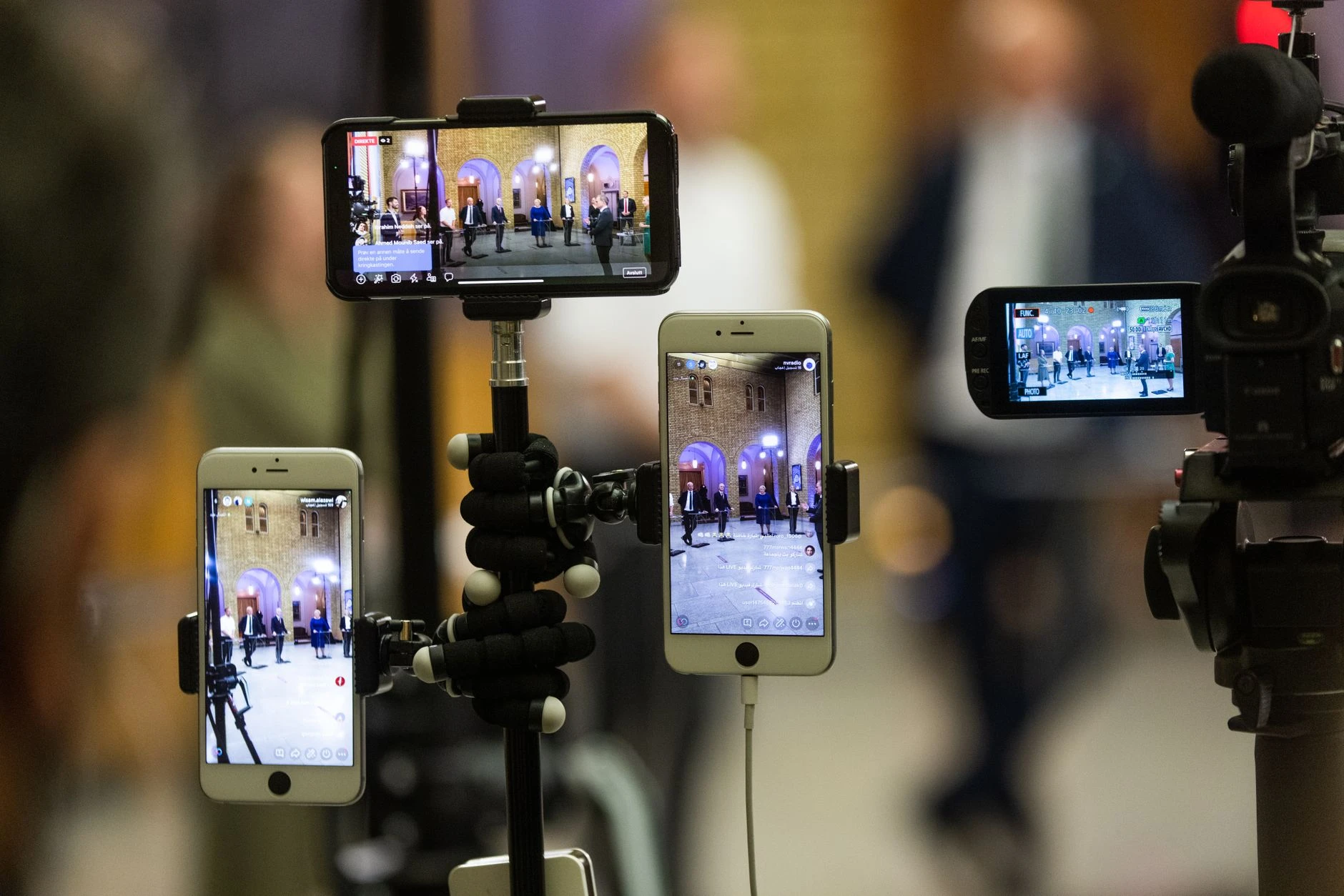
Ana Paula Assis, a senior vice president at IBM, said tech sovereignty would be top of mind during the week and argued that sovereignty is about control where it matters, not simply where technology originates. French Prime Minister Sebastien Lecornu said France could not rely on tools developed by foreign powers and must have its own tools, sharpening the political edge of a debate that has moved from abstract industrial policy to urgent strategic dependence.
For Europe, the issue now reaches beyond regulation or startup support. It cuts into cloud contracts, chip supply, model access and the ability of governments and businesses to keep working if American policy shifts again. The G7 and VivaTech gatherings made clear that “digital independence” is no longer a slogan alone. It is a test of whether Europe wants to compete with U.S. firms, constrain them, or keep relying on them while talking about sovereignty.