World
Europe's airports warn EES delays could trigger summer chaos
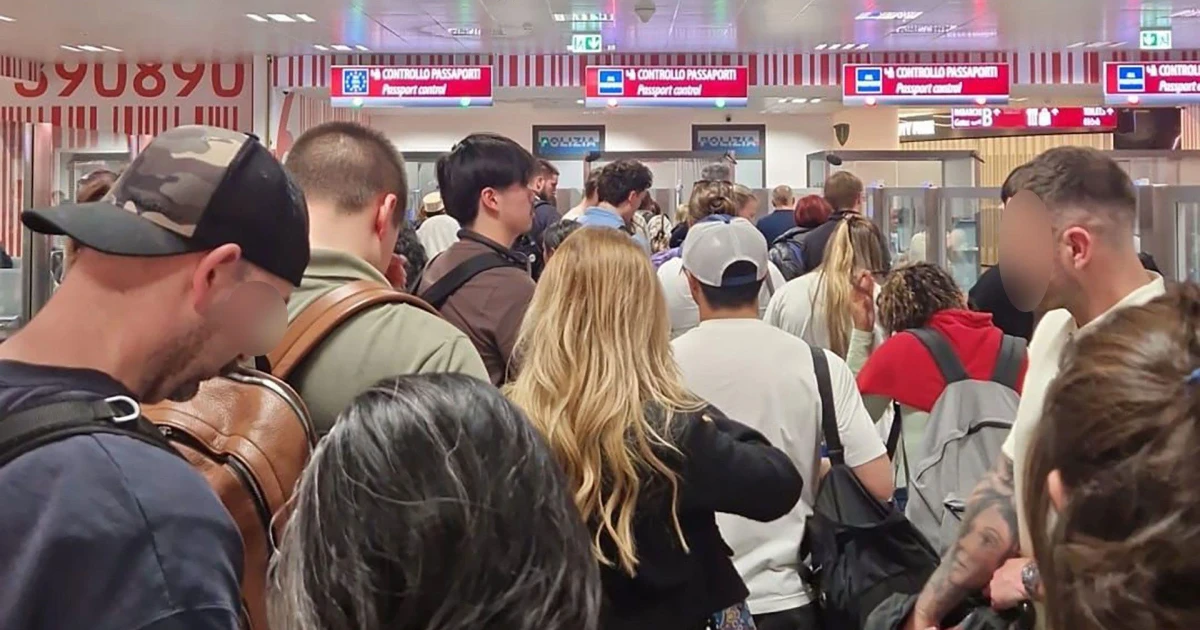
Europe’s airports were heading into the peak travel season with a new border system already producing lines measured in hours, not minutes. Airport operators warned that the Entry/Exit System, or EES, could turn summer terminals into bottlenecks as passengers face extra biometric checks at some of the continent’s busiest gateways.
The system became fully operational on 10 April 2026 after the European Commission set 12 October 2025 as the launch date and allowed a six-month progressive rollout across the external borders of 29 European countries. EES applies to non-EU nationals on short stays and records travel-document data, fingerprints, facial images, entry and exit dates and places, and refusals of entry. It replaces passport stamping and is designed to help authorities detect overstayers and forged-document use.
The alarm from the aviation side sharpened on 11 February, when ACI Europe, Airlines for Europe and the International Air Transport Association warned that the system was still causing significant delays. They said queues could reach four hours or more over the summer if nothing changed, blaming chronic border-staff shortages, unresolved technology and automation problems, and the very limited uptake of the Frontex pre-registration app by Schengen states.
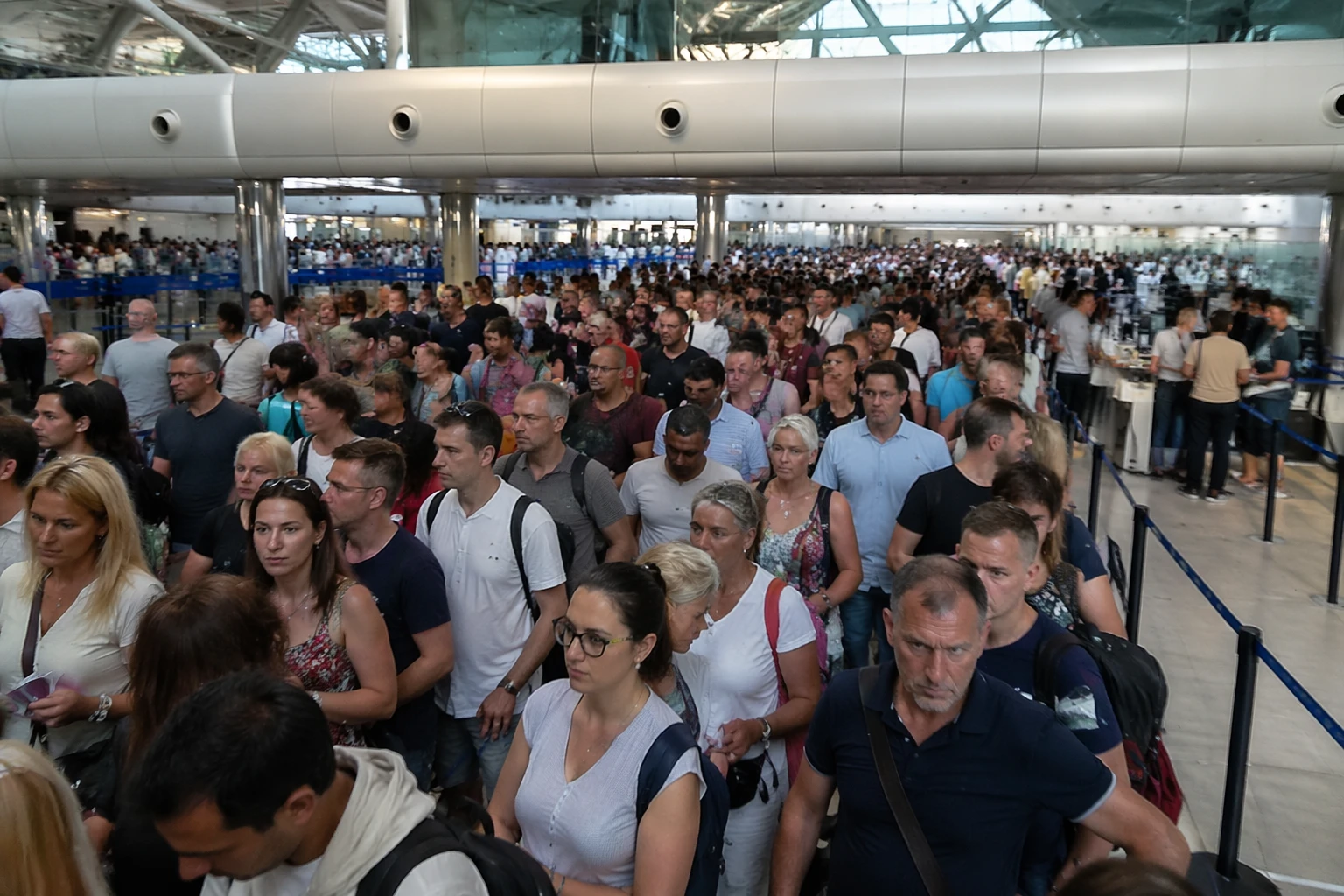
ACI Europe’s Olivier Jankovec said the concerns were keeping him awake at night, and the group has since said it did not know how airports would cope through the summer. In data gathered across 15 countries, ACI Europe said queues typically averaged two to three hours or longer at peak times after EES became mandatory, a level of delay that can quickly cascade through security lanes, gate boarding and connection banks at major hubs.
The European Commission has pointed to the scale of the rollout, saying more than 45 million border crossings were registered as the system expanded. But in Brussels, officials have also made clear that member states are responsible for making EES work on the ground, a division of responsibility that leaves airports exposed if staffing and automation do not keep pace with the new checks.
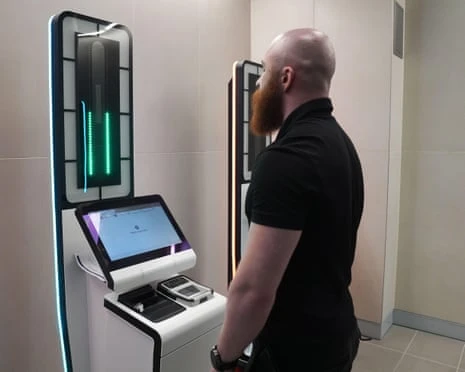
That gap between policy design and operational reality is now the central summer test. EES was meant to modernise border control across the Schengen area, but for airports and airlines the immediate measure of success is far less abstract: whether passengers clear the border in time to make their flights, or whether the new system turns peak-season travel into a queue that starts at arrivals and ends at the departure board.
Sources
- [1]bbc.co.uk
- [2]iata.org
- [3]home-affairs.ec.europa.eu
- [4]politico.eu
- [5]frontex.europa.eu