Business
Europe's chip ambitions face bleak future amid China and US dependence
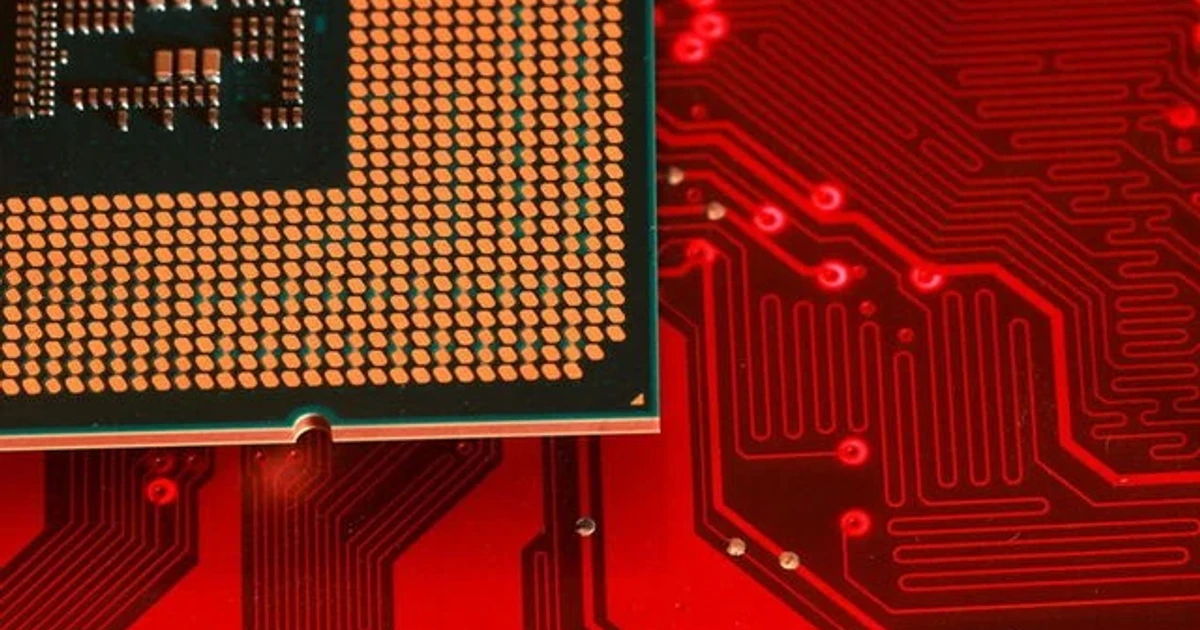
An EU-funded July 2026 policy paper surveyed 55 respondents, mostly industry and research-technology-organization representatives, and found a bleak outlook for Europe’s semiconductor future. The bloc is being squeezed by Chinese export controls, dependence on U.S. technology and the structural weakness of its own chip base, even as semiconductors have become central to autos, industrial machinery, artificial intelligence, defense systems and consumer electronics.
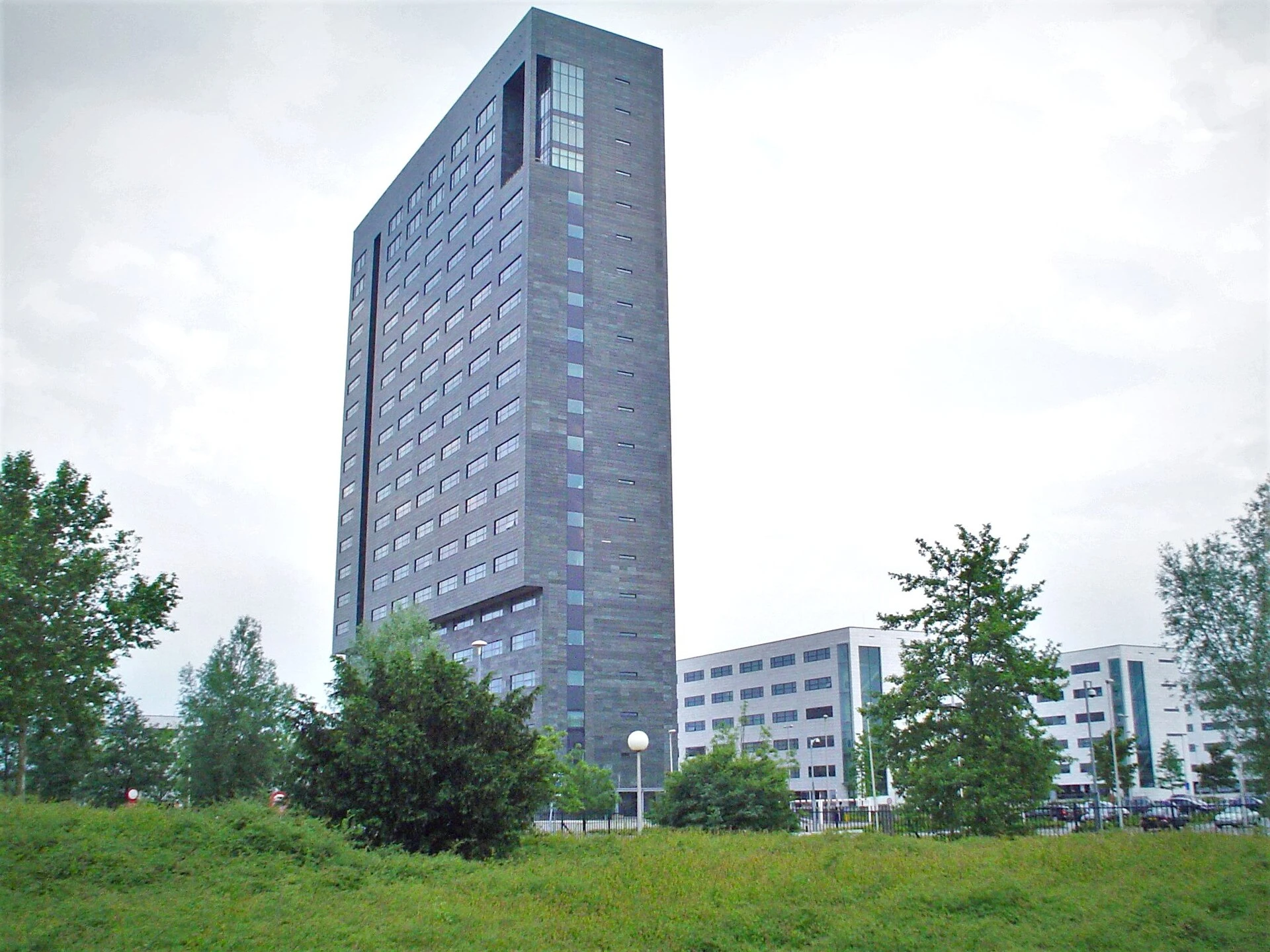
The report, titled EU Semiconductor Geopolitical Risk Survey: Outlook for 2026-2031, lays out several chokepoints that could hit Europe at once. China’s control over critical minerals and magnets is one pressure point. Another is the risk of conflict in the Taiwan Strait, which could disrupt global supply further. Europe’s reliance on U.S. technology, including design software, also leaves ASML, Europe’s most valuable company and one of the continent’s most important chip-making equipment suppliers, exposed if Washington tightens exports to China.
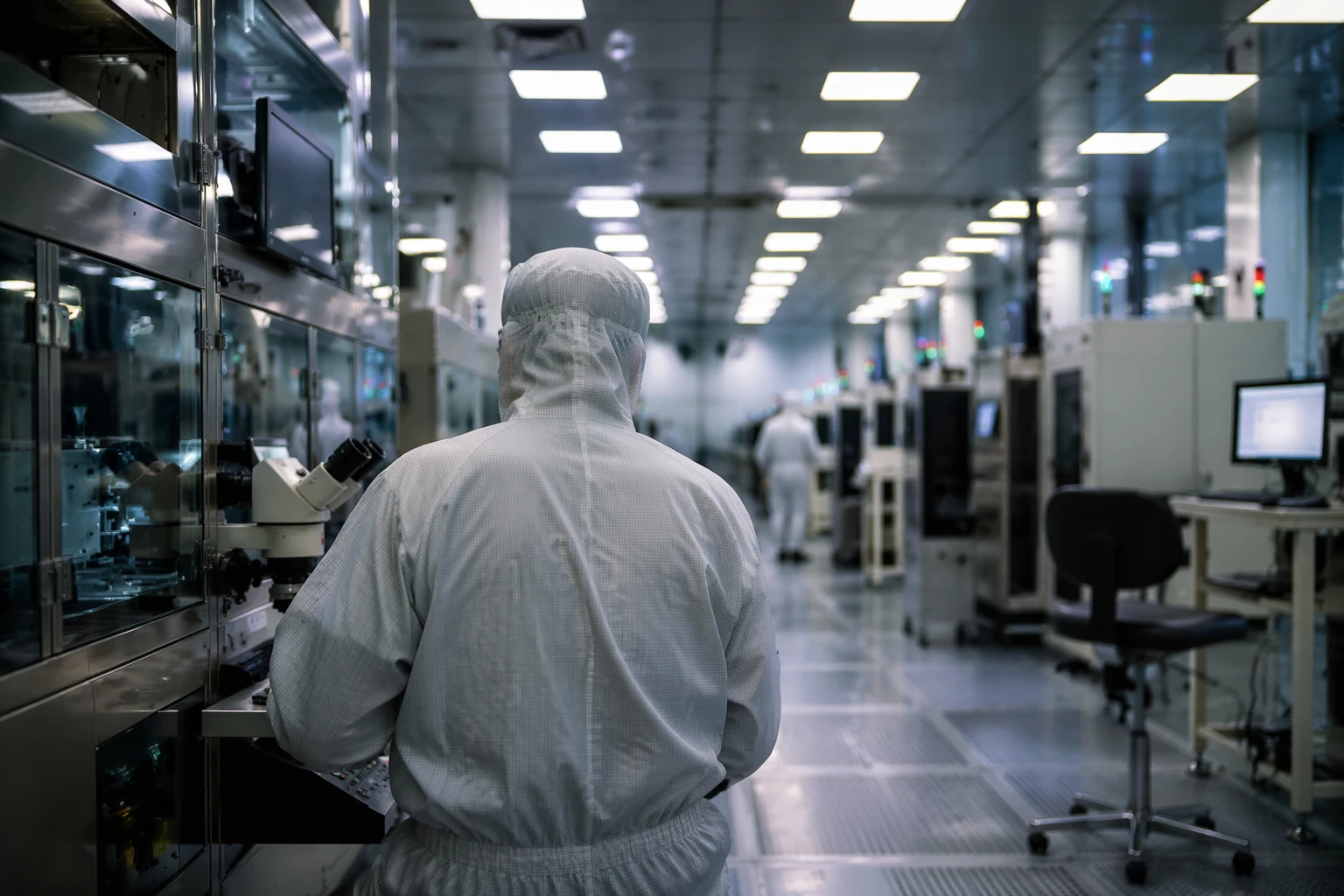
Pandemic-era shortages exposed how dependent Europe remained on outside suppliers, and the paper finds the continent still lacks the scale, ecosystem depth and strategic leverage needed to compete comfortably with the United States and China.
The 18-month Chips Diplomacy Support Initiative is led by Institut Montaigne with the European Union Institute for Security Studies, CEIAS and CSDS, and is co-funded by the European Union. It aims to develop semiconductor diplomacy that can anticipate crises, adapt to geopolitical pressure and reduce dependencies, in line with the competitiveness and resilience goals set out in the Draghi report.
A December 13, 2024 brief from the European Union Institute for Security Studies warned the bloc is increasingly concerned about strategic dependencies on Chinese technology, especially legacy chips, where subsidized output can undercut competitors and create economic-security risks. Taiwanese engagement in Europe is growing, with TSMC’s Dresden fab and the presence of Foxconn and GlobalWafers.
Sources
- [1]usnews.com
- [2]institutmontaigne.org
- [3]iss.europa.eu