World
Europe’s faith in U.S. as ally falls to historic low, survey finds
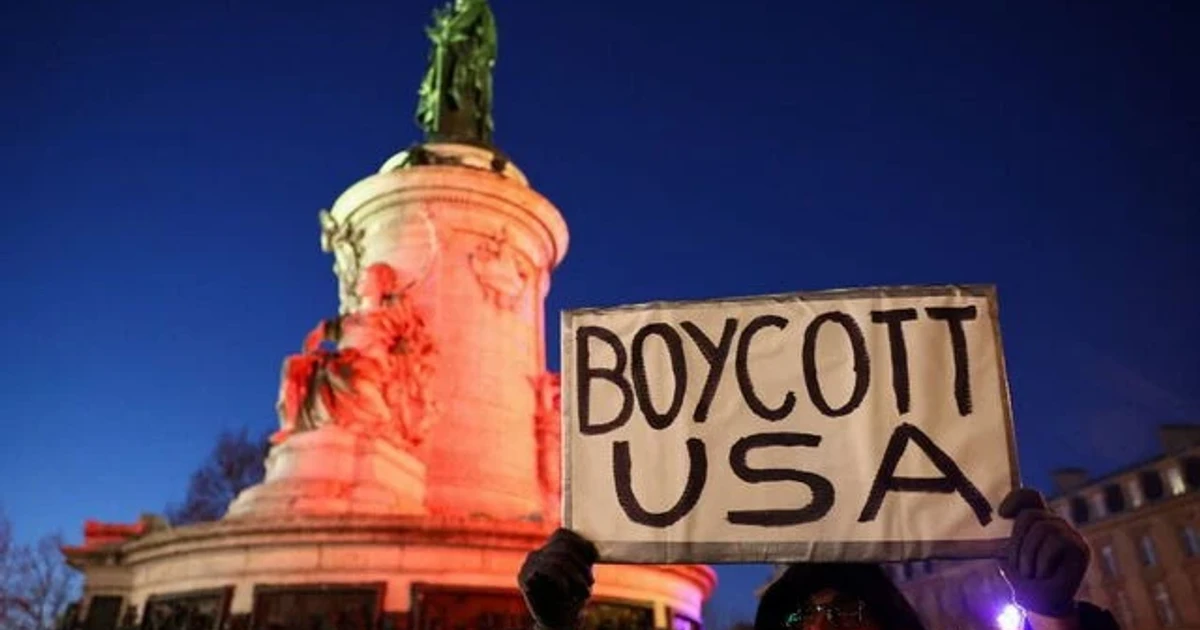
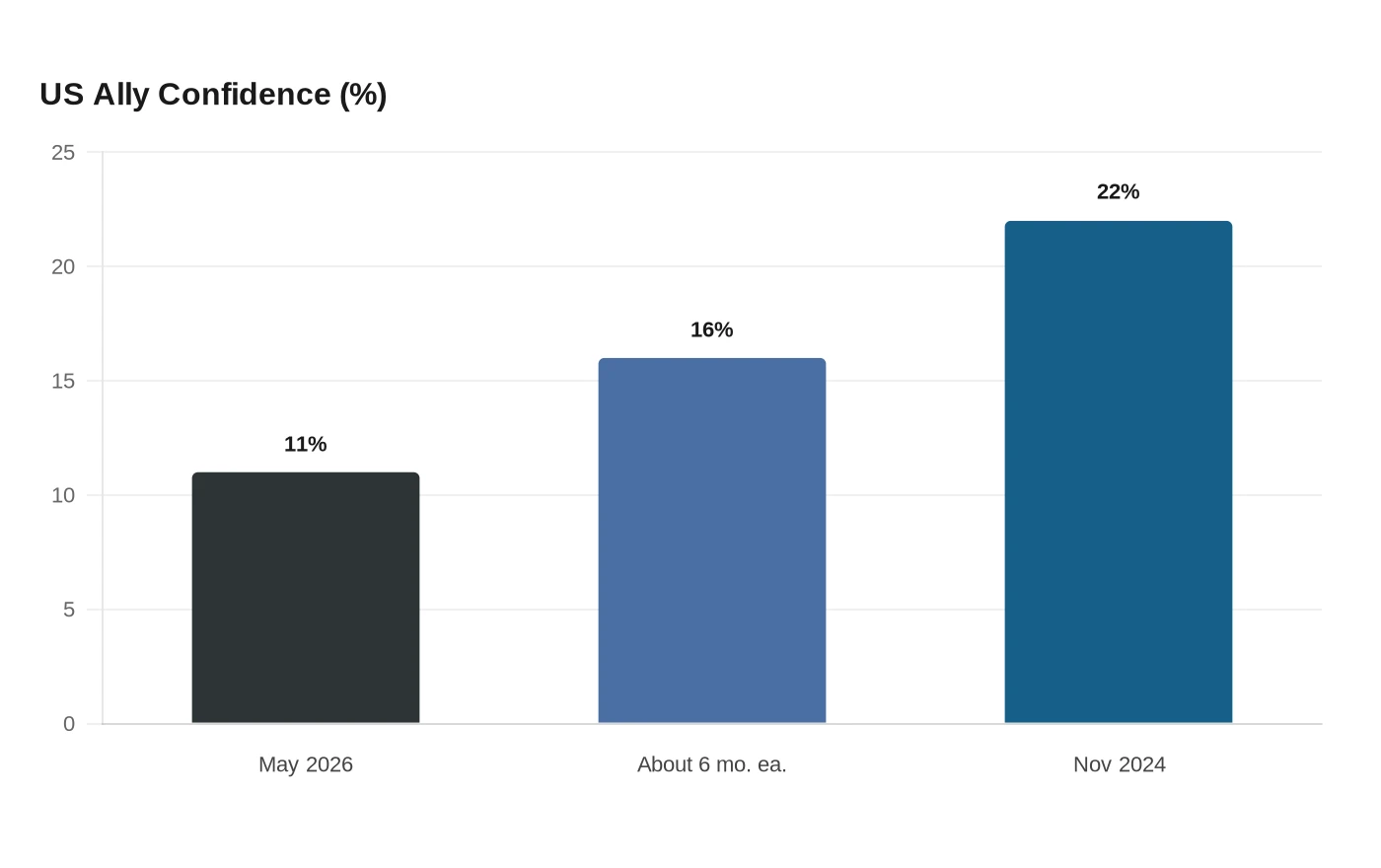
Europe’s confidence in the United States as a dependable partner has dropped to a new low, and the timing makes the warning harder to ignore. In a May 2026 survey of 19,481 respondents across 15 European countries, only 11% said they viewed the United States as an ally, down from 16% about six months earlier and 22% in November 2024.
The result, released by the European Council on Foreign Relations ahead of G7 and NATO meetings, points to more than a passing dip in opinion. Majorities in every surveyed country said they doubted the United States would come to Europe’s defense if attacked, underscoring how far trust has eroded in the transatlantic alliance as President Donald Trump’s foreign policy, tariff threats and sharp rhetoric strain ties with longtime partners.
The survey’s most important implication is that Europe is moving from reliance to preparation. ECFR said its findings show Europeans are increasingly willing to rely on self-defense, even if many still hope the United States will eventually come back to the alliance. In a June 4 policy brief, the think tank argued that Europe needs a distinctly European defense model that can work with America where possible, with less of it where necessary, and without it if it comes to that.
That shift is showing up in policy preferences as well as attitudes. Forty-seven percent of respondents backed collective European Union borrowing to fund higher defense spending, while 35% opposed it. Support for common borrowing was strongest in Portugal, Denmark and the Netherlands, a sign that the case for shared military financing is gaining ground beyond the usual hawkish capitals.
The poll also found Europeans were four percentage points more likely than last year to support increased national defense spending, though Italy remained the exception, with a clear majority still opposed. Across the continent, majorities favored prioritizing European renewable energy over renewed dependence on Russian fossil fuels, another sign that security concerns are now shaping energy policy. At the same time, Europeans continued to back Ukraine, but many were uneasy about fast-tracking EU enlargement and reluctant to send their own troops to police a post-war settlement.
The broader trend is unmistakable. ECFR’s earlier polling in 2024 and 2025 had already shown Donald Trump reshaping European geopolitical thinking, with rising support for conscription, independent nuclear deterrents and defending Ukraine even if Washington walked away. The latest numbers suggest that Europe’s leaders now have public backing for a harder line on strategic autonomy, and for policies built around a more fragile assumption: that U.S. support can no longer be taken for granted.
Sources
- [1]usnews.com
- [2]ecfr.eu
- [3]euractiv.com