World
Europe’s Greenland Stand: How the E.U. Faced Down Trump and Learned a Lasting Lesson
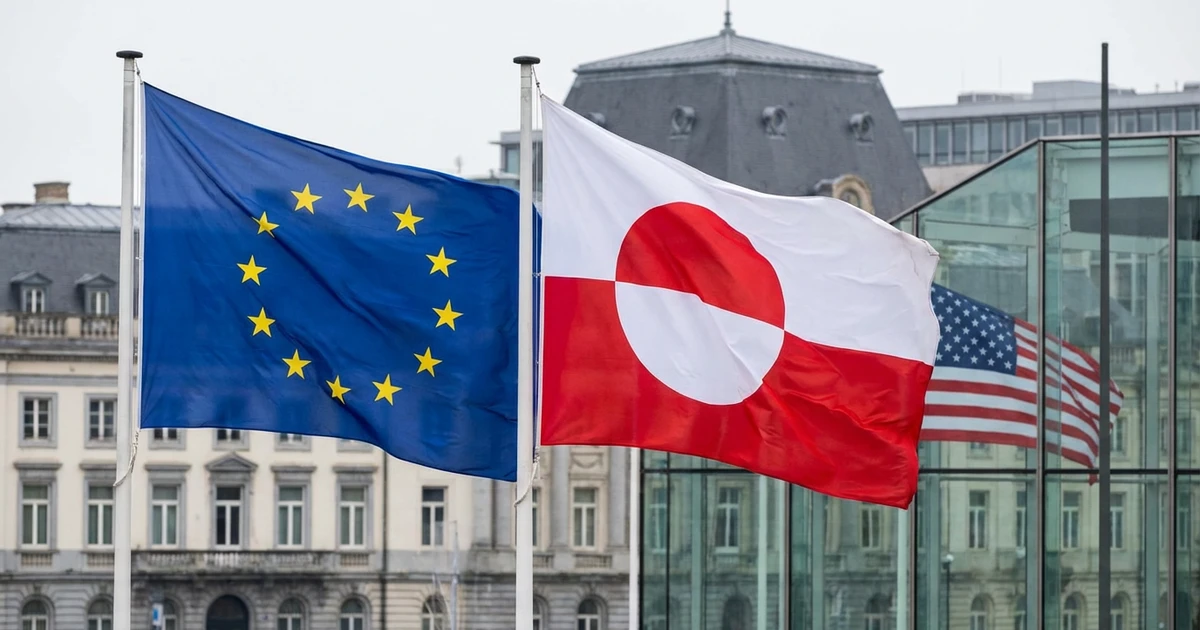
Greenland—the world’s largest island—became the unlikely center of a diplomatic showdown between the European Union and the Trump administration, marking a turning point in the EU’s approach to global challenges and U.S. relations.
The Greenland Controversy: A Diplomatic Flashpoint
What began as an offhand proposal by the Trump administration to purchase Greenland quickly escalated into a test of European resolve. Despite initial disbelief across capitals, the EU’s response was swift and unified. European leaders, rallying around Denmark—the territory’s sovereign—rejected any suggestion that Greenland could be for sale. The episode exposed both the unpredictability of Washington’s foreign policy and the potential vulnerabilities in Europe’s approach to U.S. pressure.
Europe Stands Firm, Trump Retreats
As the situation unfolded, the EU’s clear support for Denmark sent a strong message. Rather than fracturing, European governments coordinated messaging and policy, refusing to entertain what many viewed as an affront to sovereignty. This unity ultimately led to a retreat by the Trump administration, which backed away from its overtures after facing international criticism and domestic skepticism.
- Greenland is a self-governing territory within the Kingdom of Denmark.
- European officials stressed the strategic importance of Greenland, including its natural resources and Arctic location.
- Denmark’s role as mediator underscored wider EU interests in the Arctic region.
U.S.-EU Relations: Tensions and Lessons Learned
The episode also highlighted the shifting nature of the transatlantic relationship. U.S. Treasury Secretary Bessent dismissed Denmark’s significance, reportedly calling Denmark and its investment in the U.S. ‘irrelevant.’ This rhetoric underscored a growing divergence in priorities between Washington and its traditional allies, raising alarms in European capitals about the reliability of American partnership.
For the EU, the Greenland affair became a catalyst for a broader reassessment of its strategic posture. European leaders recognized the necessity of presenting a unified front, not only in rhetoric but in action, to defend the continent’s interests against unpredictable U.S. demands.
Implications for the Future
The crisis over Greenland left lasting lessons for both sides:
- The EU demonstrated increased capacity for rapid, coordinated action in the face of external pressure.
- European unity on sovereignty issues is likely to become a template for future challenges.
- For the U.S., the episode revealed limits to transactional diplomacy in a changing world order.
Looking Ahead: A More Assertive Europe
In the aftermath, the EU has signaled an intention to assert itself more confidently on the global stage, especially regarding security and territorial integrity. Greenland served as a litmus test for European resolve, and by most accounts, the continent passed. As the international order faces new strains, the Greenland episode may be remembered as a defining moment in Europe’s evolution from a collection of states to a strategic actor in its own right.