Science
Europe’s heatwave exposes urgent need for climate adaptation
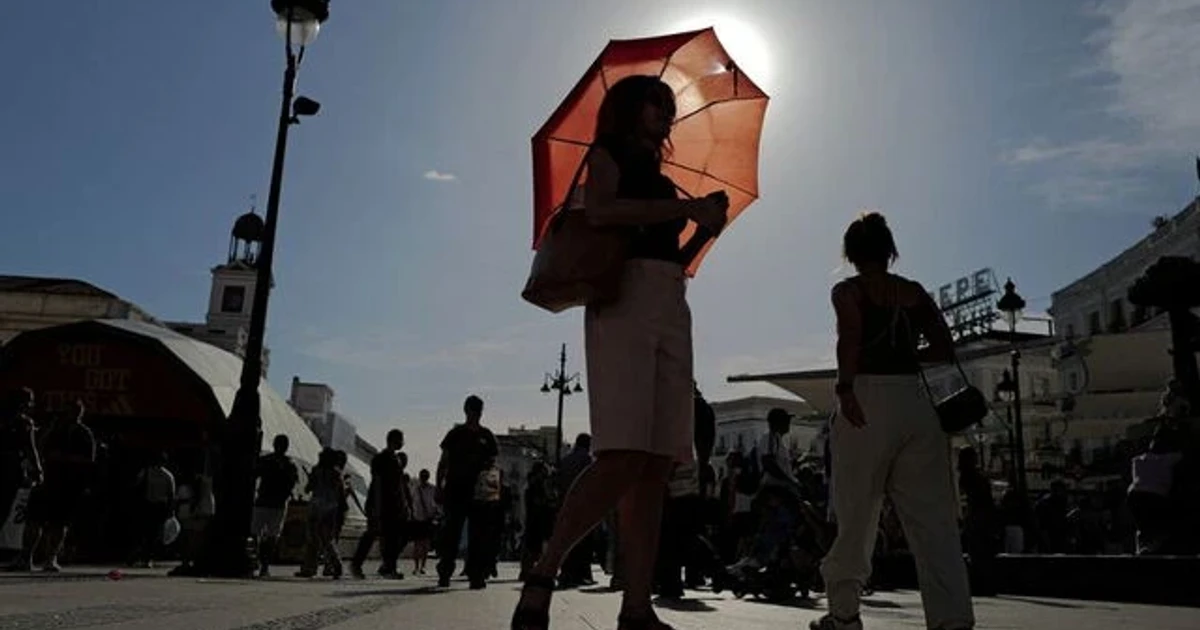
Temperatures climbed above 40 degrees Celsius in parts of Europe in June, triggering power supply disruptions, outdoor work bans, train cancellations in Germany and a cargo train derailment in Sweden. The damage went far beyond discomfort and showed how quickly extreme heat can disrupt daily life.
A climate strategy built for a warmer continent
For years, Europe’s climate debate has centered on cutting emissions, and the European Union has been a global standard-setter on that front. It was among the first major economies to adopt a legally binding target of net-zero emissions by 2050, and that long-term pledge still matters. But the latest heatwave made a different point impossible to ignore: a continent that has spent heavily on decarbonization is still not fully prepared for the climate impacts already arriving at home.
Europe is warming at roughly twice the global average, and the European Commission’s climate portal calls the current pattern the “new normal.” The practical costs of heat are showing up in transport timetables, electricity systems, labor rules, public health and the operating assumptions of companies that need reliable infrastructure to function.
The scale of the risk is broader than heat alone
The European Environment Agency’s European Climate Risk Assessment identifies 36 climate risks across Europe, with consequences for health, infrastructure, water resources, food production, ecosystems and financial stability.

The European Commission’s 2021 EU Adaptation Strategy is meant to support a climate-resilient Europe by 2050, and it remains in force while a new integrated framework for climate resilience and risk management is being prepared. The harder question is whether investment, regulation and local planning are moving fast enough to match the pace of warming.
What the June heatwave broke in practice
The effects of the heatwave were visible in the most basic systems Europe depends on. Rail networks struggled as high temperatures warped or weakened tracks, and power systems also came under pressure, which is unsurprising in a period when demand for cooling rises just as transmission and generation assets are stressed by heat.
Workplaces were hit too. Outdoor work bans in parts of Europe highlighted the growing tension between labor productivity and safety as temperatures rise. In many sectors, the exposure is immediate: construction, logistics, agriculture, maintenance crews and transport workers all face lower output, more stoppages and higher health risks when heat becomes extreme rather than merely seasonal.
Health costs are already measurable
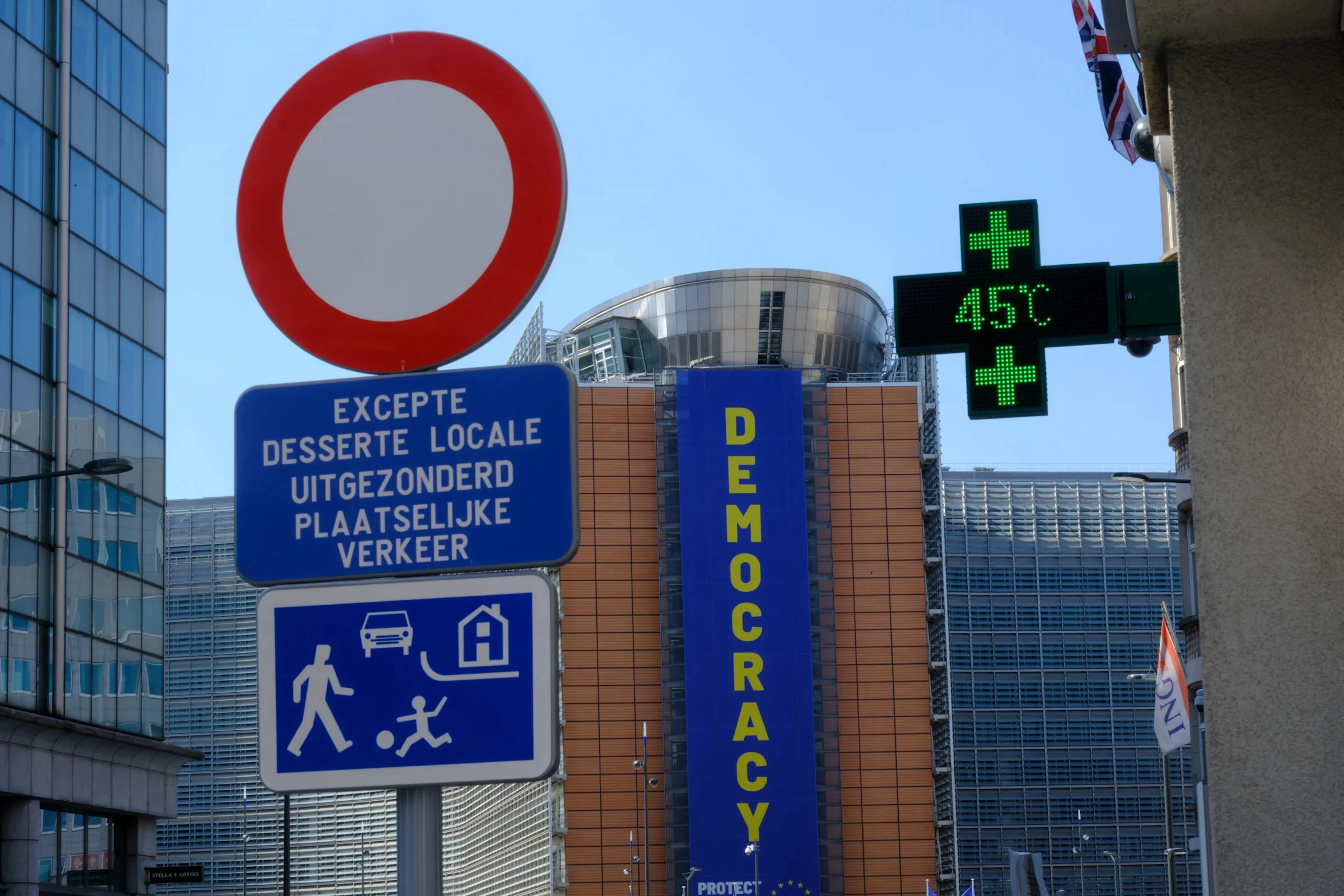
The most sobering evidence came from mortality data. Spain’s official MoMo system attributed 1,029 excess deaths in June 2026 to heat, and the month was the country’s second-hottest June on record. Across Europe, the World Health Organization recorded more than 1,300 excess deaths since June 21.
Meteo-France compared the conditions with the August 2003 heatwave, which is associated with an estimated 80,000 excess deaths across Europe.
Science is pointing in one direction
The latest attribution work judged the Western Europe heatwave would have been “virtually impossible” without human-caused climate change. The analysis found that climate change made the week’s night-time temperatures 100 times more likely than they would have been two decades ago.
A hazard that was once treated as exceptional now has to be priced, planned for and engineered around as a recurring operating condition.
Why adaptation is becoming an economic issue
The policy mismatch is sharpest when the costs are translated into business terms. Cooling systems, rail maintenance, grid upgrades, building standards, worker protections and emergency planning are no longer optional resilience measures. They are becoming part of the cost of keeping economies functioning in hotter summers.
For investors and corporate managers, the implication is that climate risk is moving from a future scenario to a present operating constraint. Utilities need to understand peak demand and asset stress. Transport operators need to plan for rail deformation, service interruptions and maintenance backlogs. Employers need heat protocols that protect labor supply and avoid avoidable injury or shutdowns. City governments need cooling access, emergency response capacity and public communication systems that can handle repeated extreme events.
The political center of gravity is shifting
Krzysztof Bolesta, Poland’s deputy climate minister, said Europe has not been good enough on adaptation.