Technology
Even Realities unveils privacy-first AI glasses for meetings and travel
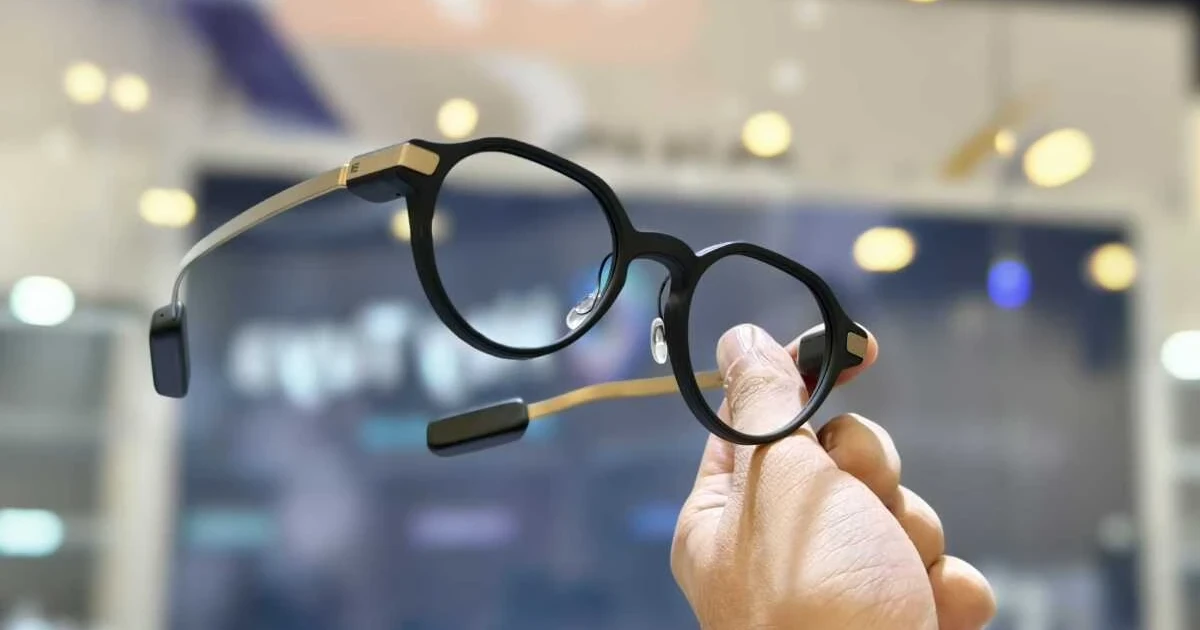
Even Realities is pushing its G2 smart glasses as a camera-free tool for people who live in meetings, presentations and constant travel, a sharper bet on privacy as the Shenzhen-headquartered company expands after raising $150 million in July at a $1 billion valuation. The glasses are built for all-day wear and are designed around teleprompting, live captions, navigation, notes, AI assistance and live translation in 35 languages, not around recording the room.
That distinction matters in a category that has repeatedly run into backlash over surveillance and social acceptability. Meta’s current AI glasses include built-in cameras and social-sharing features, and Meta says millions of people now use its glasses every day, with Ray-Ban Meta now the world’s best-selling AI glasses product. Even Realities is taking the opposite tack, marketing G2 as privacy-first and saying it does not have an outward-facing camera.
The company itself is still young. Even Realities was founded in 2023, is based in Shenzhen and lists a Hong Kong office in its company materials. It launched the G1 in 2024 and later expanded the line to G2. Even Realities said the G1 was available for in-store try-on in 169 stores across 10 countries, a sign that the company is trying to move smart glasses beyond niche demos and into more ordinary retail settings.

Its software pitch is broad. Even Hub, the company’s open developer platform for G2, is meant to support apps across productivity, lifestyle, music, AI and entertainment. On its product pages, Even Realities describes the glasses as a way to keep key points, numbers and references in view, with floating heads-up information and translated text appearing while the wearer speaks.
The use cases it highlights are practical rather than futuristic: presentations, international travel, live translation and interviews where the wearer can keep eye contact while reading prompts. The company has also pointed to broadcasters, athletes and the USA Deaf Swimming Team as examples of the glasses serving real-world communication needs. In a market where camera-equipped eyewear can make bystanders uneasy, the appeal of a device that translates, captions and prompts without pointing a lens at everyone nearby may be part of a broader shift in what smart glasses are allowed to look like in offices, classrooms and public spaces.
Sources
- [1]techcrunch.com
- [2]evenrealities.com
- [3]meta.com
- [4]about.fb.com
- [5]hub.evenrealities.com