Sports
Ex-Alabama Player Accused in $20M NFL Impersonation Scam
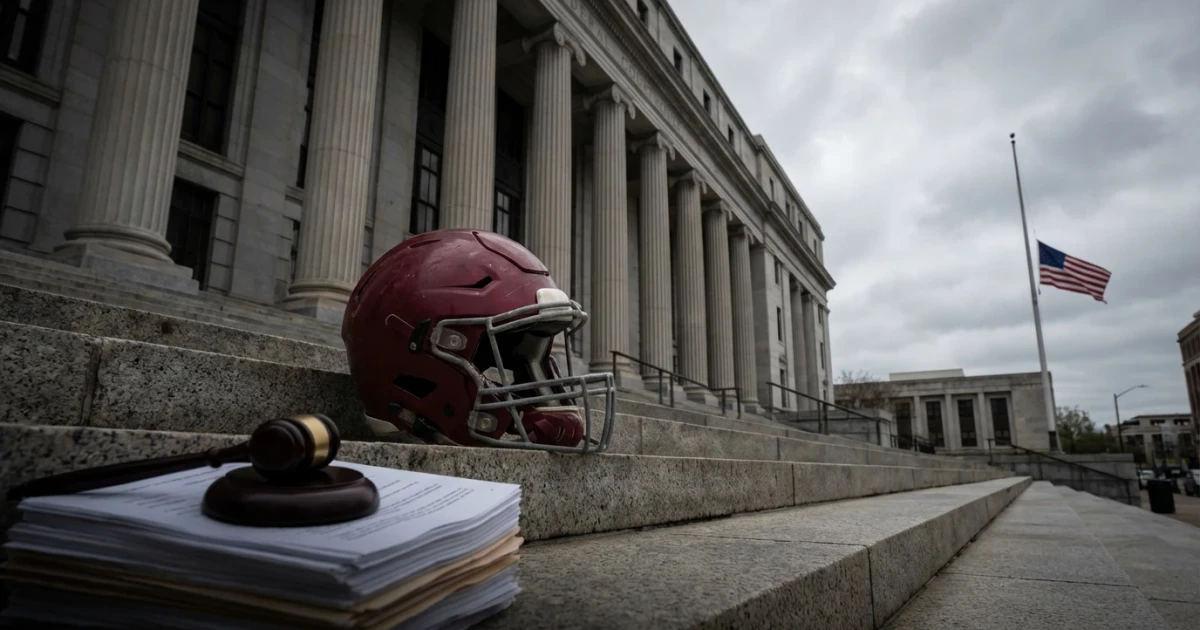
A former University of Alabama football star has been charged in a sprawling $20 million fraud scheme that allegedly involved impersonating prominent NFL players, including Michael Penix Jr., David Njoku, and Xavier McKinney, to secure fraudulent loans and lines of credit. The case, which has sent shockwaves through both collegiate and professional football circles, was first reported by The Guardian and detailed in a Department of Justice press release.
Allegations Detail Sophisticated Impersonation Tactics
According to federal prosecutors, the former Crimson Tide player orchestrated an elaborate scheme in which he posed as current NFL athletes to obtain millions of dollars in loans. Authorities allege he used stolen personal information and fake documents to convince lenders that he was Michael Penix Jr., David Njoku, or Xavier McKinney—all active NFL players with high earning power and well-established identities.
- The total value of the alleged fraudulent loans exceeds $20 million.
- Several financial institutions were targeted, reportedly including both banks and private lenders.
- Investigators say the accused created convincing digital and physical documentation, including falsified contracts and identity verification materials, to carry out the ruse.
The official DOJ complaint outlines how the suspect allegedly leveraged the public profiles of the NFL players to gain trust from lenders, in some cases even conducting video calls and submitting forged signatures to advance the scam.
Legal Proceedings and Potential Penalties
The accused was arrested and faces a range of federal charges, including wire fraud, identity theft, and conspiracy to commit financial fraud. According to the Public Access to Court Electronic Records (PACER) system, the indictment details a pattern of systematic deception spanning several years.
Should he be convicted, the former Alabama player could face substantial prison time and financial penalties. Cases of this magnitude have drawn increasing attention from the FBI's financial crimes unit, which identifies loan fraud and impersonation as persistent threats to both public and private sector institutions.
Impersonation and Loan Scams on the Rise
The case underscores broader concerns about the growing sophistication of loan scams and identity theft in the U.S. According to the Internet Crime Complaint Center (IC3), impersonation-related fraud is on the rise, with reported losses from such crimes reaching record highs in the past year. Financial institutions are urged to increase vigilance in verifying applicant identities, especially when high-profile individuals are involved.
- Loan scams account for a significant share of annual reported financial fraud cases, with the SEC warning lenders and the public about increasingly elaborate schemes.
- Impersonation of celebrities and athletes is a known tactic, as their public information is more accessible and trusted by lenders and vendors.
Impact on Victims and the Sports Community
The NFL players whose identities were allegedly used in the scam—Penix, Njoku, and McKinney—were reportedly unaware of the fraud until contacted by authorities. There is no suggestion that any of the players were involved or complicit. The Guardian notes that all three have since taken steps to secure their personal information and are cooperating with investigators.
The University of Alabama has not issued a statement, and the accused’s legal representation has yet to respond to media requests. The case has reignited conversations about the vulnerability of public figures to identity theft and the need for stronger safeguards across financial and sports institutions.
Looking Ahead
As the legal process unfolds, federal authorities and financial regulators are expected to use this high-profile case to highlight the risks of loan scams and impersonation. The outcome may influence future policies and preventative strategies for both banks and athletes.
For more details on the legal proceedings and official documents, readers can access the DOJ case summary and federal court records.