Sports
Expanded 2026 World Cup format raises fears of dead-rubber group games
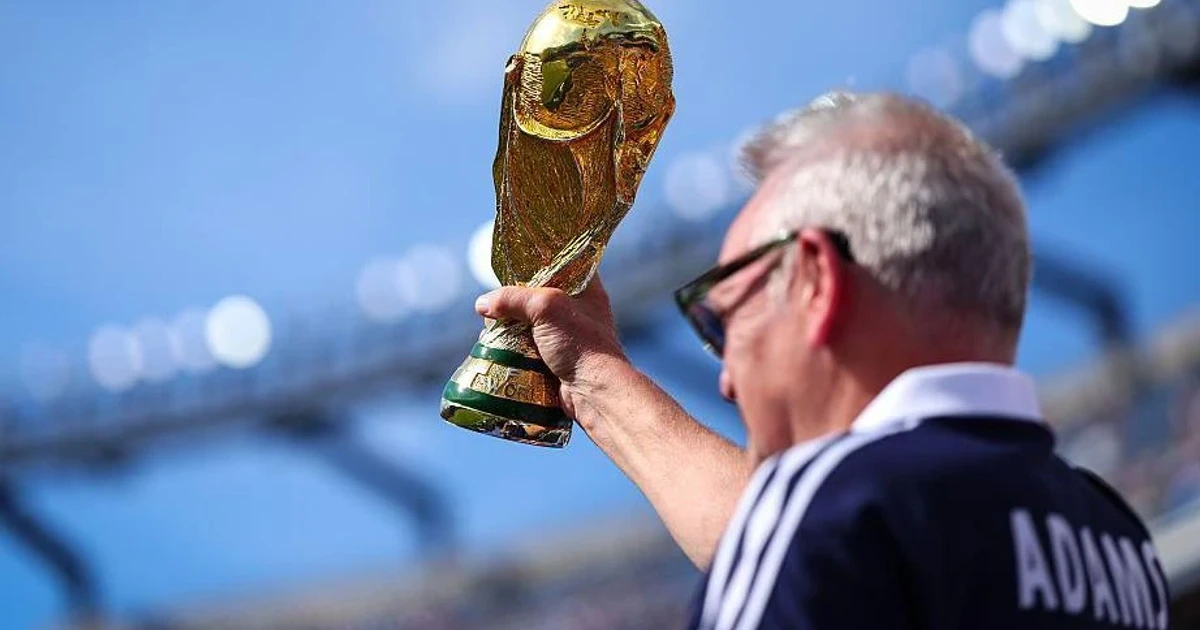
Eight teams can be eliminated before the last whistle of the group stage, and that is the core worry hanging over the expanded 2026 World Cup. FIFA’s biggest tournament will be larger than ever, but the new structure raises a hard question: whether more access has come at the cost of the make-or-break drama that once defined the final round of group play.
A bigger World Cup changes the pressure points
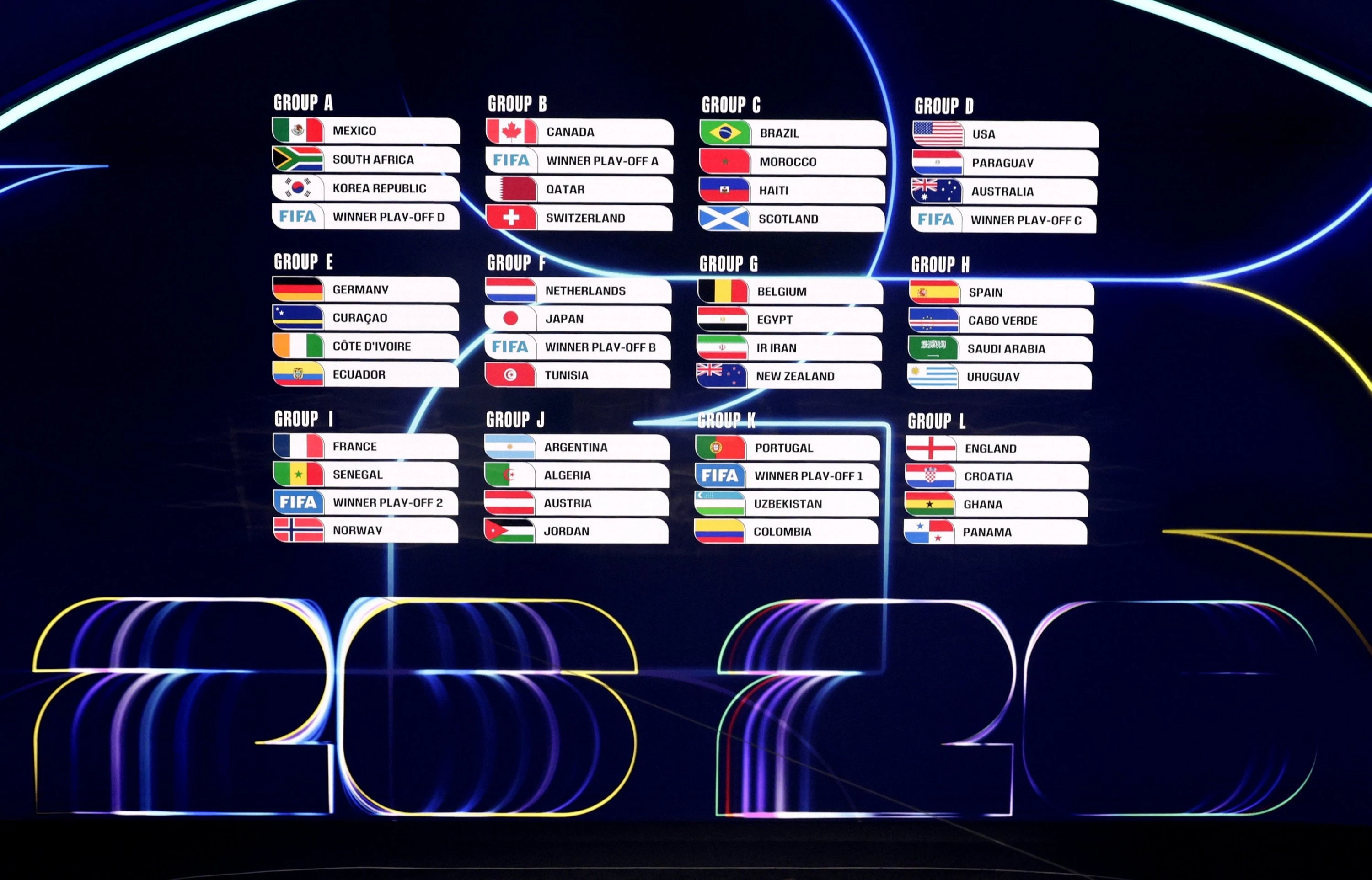
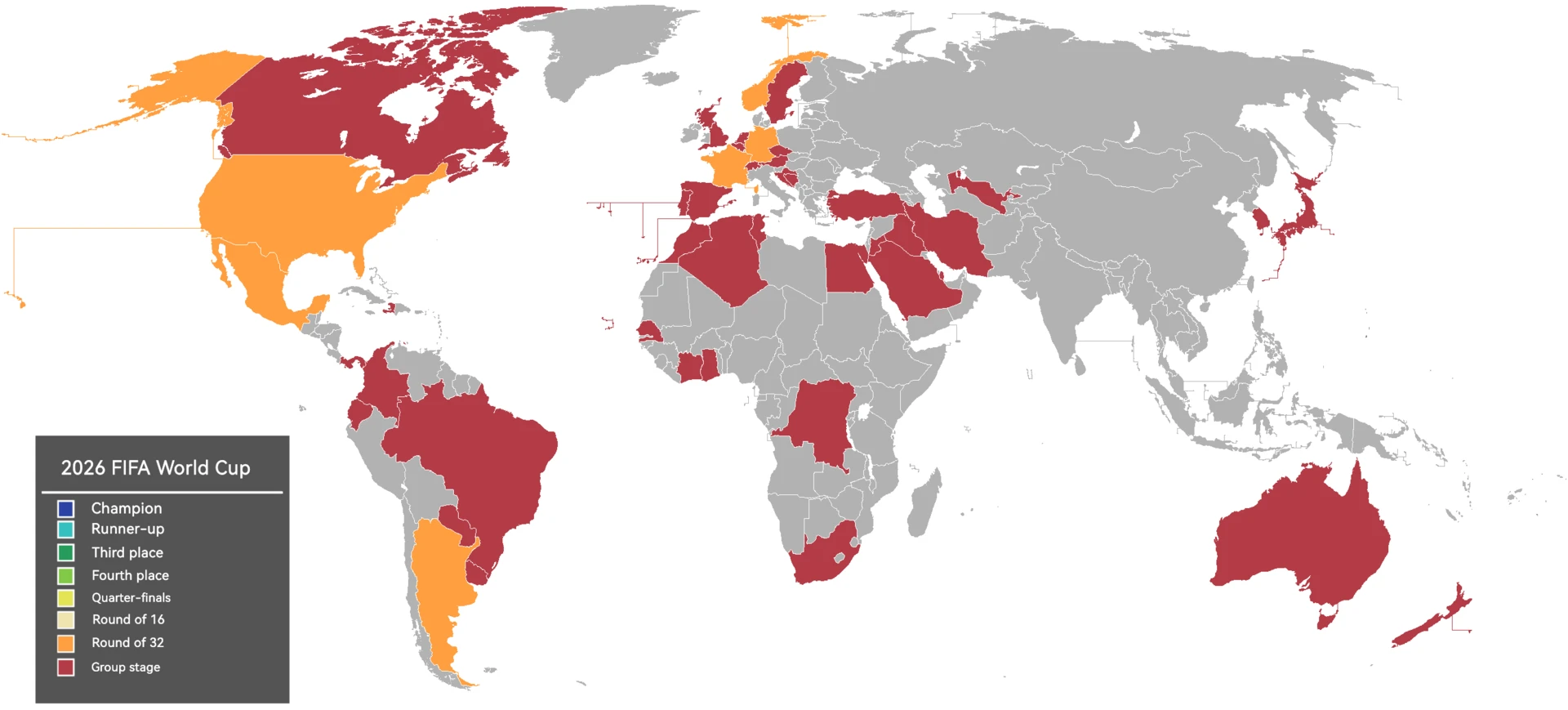
The 2026 tournament will be the first World Cup to feature 48 teams, arranged in 12 groups of four, with 104 matches in total. FIFA says the competition will run from 11 June 2026 to 19 July 2026, and the group stage will run from 11 June to 27 June 2026. The final draw was held on 5 December 2025 in Washington, D.C., locking in a format that sends the top two teams in each group plus the eight best third-place teams into a new Round of 32.
That structure is very different from the standard used from 1998 through 2022, when the World Cup had 32 teams and group winners moved straight into the Round of 16. FIFA’s own history shows the tournament has stretched and contracted over time, from 13 teams in Uruguay in 1930, to 16 in many early editions, to 24 from 1982 through 1994, then 32 for six straight tournaments before this new expansion. The scale alone makes 2026 the most ambitious edition yet, but it also reshapes when and where tension lives inside the competition.
Why the final group matches may matter less
The biggest criticism is simple: with only three group games and so many teams advancing, the final set of group matches can lose their edge. Some fixtures will feature one team already qualified and another already eliminated, while others may involve both sides able to play for a result that helps them advance on paper. Those are the classic dead-rubber conditions that can drain urgency from a game and make the final group round feel more procedural than dramatic.
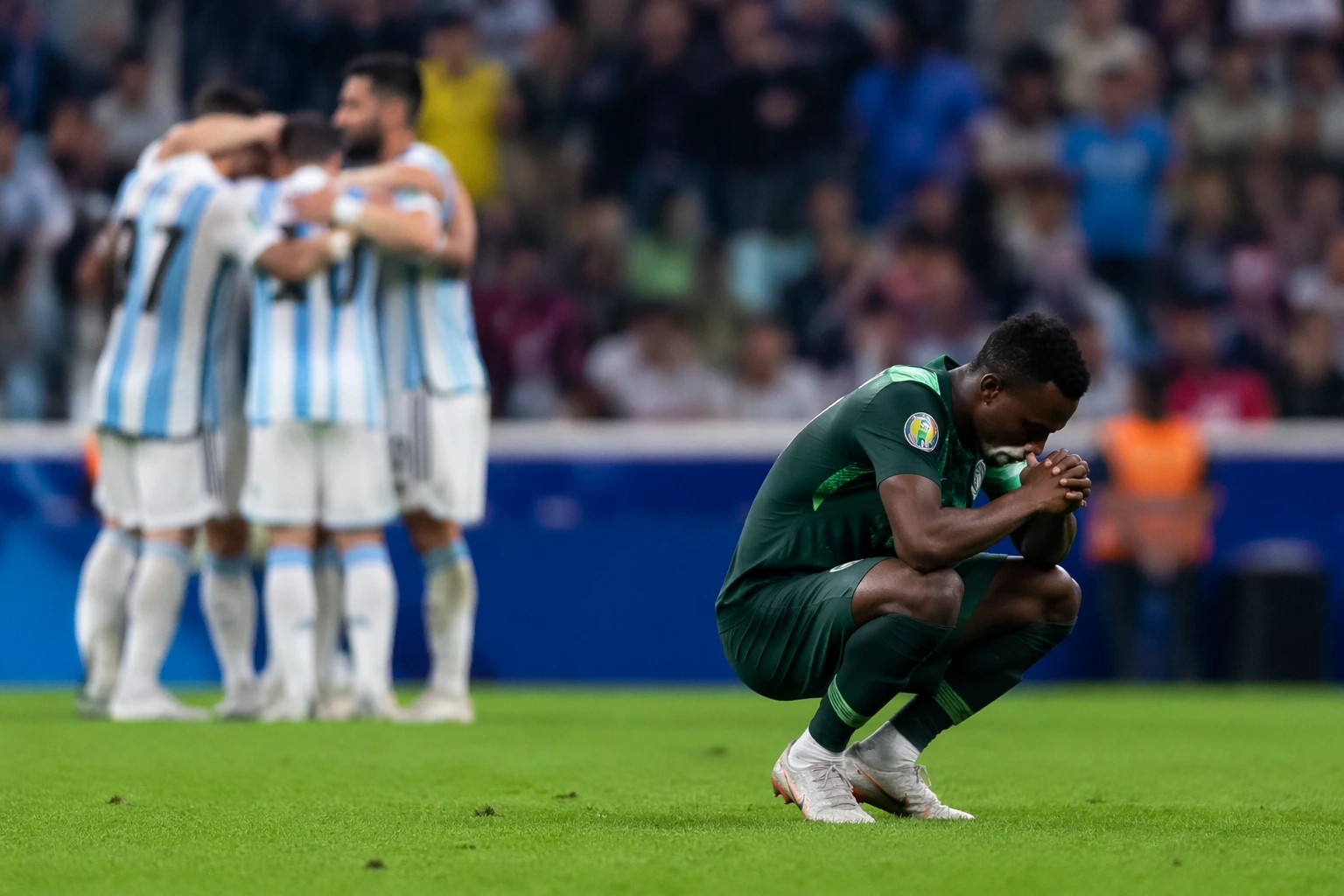
That concern is not just about spectacle. When the stakes are softened, coaches may rotate heavily, players may be held back, and the match can drift away from the urgent, do-or-die rhythm that has long made the World Cup group stage compelling. Supporters of the expansion argue that more nations deserve a place on the biggest stage, but critics say the price may be too many matches in which the result no longer alters the destiny of both teams.
The tie-breakers add another layer of risk
The new tiebreaker order sharpens that anxiety. FIFA’s primary group-stage tiebreaker is head-to-head record between teams level on points, with goal difference used if the head-to-head match was drawn. That matters because it can make the math feel more immediate and, in some scenarios, more cooperative.
In practical terms, teams may see that a draw, or even a particular scoreline, is enough for both to move on. That creates the possibility of coordination problems, or at least the appearance of them, when two sides can safely settle into a result that serves both interests. The system is not designed to encourage collusion, but critics argue that the format makes such concerns harder to dismiss, especially in a three-match group stage where one result can shape the fate of several teams.
What the debate says about fairness and excitement
The argument around the 2026 World Cup is not only about entertainment value. It also touches on competitive integrity, player workload, and the rhythm of a tournament that has traditionally been built around clear jeopardy. AP and Reuters coverage of the build-up has framed the issue as a trade-off between wider global access and possible damage to the edge that made the group stage feel unforgiving.
Former United States forward Clint Dempsey put that tension bluntly when he told The Associated Press that expansion has “taken a little bit of the excitement and quality away from the tournament” and that it can feel like the World Cup “doesn’t start until the round of 32.” His criticism captures a broader fear among skeptics: that the tournament’s most important early stage now asks fans to wait longer for genuine elimination pressure.
At the same time, FIFA continues to present the expansion as part of making the World Cup “the biggest and most exciting edition” in history. That language reflects the organization’s core argument for growth: more teams, more markets, more chances for countries that would otherwise be shut out. The tension is structural, not cosmetic. A larger field can widen opportunity, but it can also flatten some of the drama that scarcity once created.
What the old format protected
The 32-team World Cup had a built-in harshness that fans learned to trust. With fewer places available in the knockout rounds, the final group matches often determined whether a team survived or went home, leaving less room for a comfortable middle ground. That pressure is what made group-stage days feel like simultaneous miniature finales, with every goal changing the shape of the bracket.
FIFA’s own archives point to the unpredictability of the old design, including examples of teams being eliminated despite remaining unbeaten. That kind of outcome underlined how fragile advancement could be and why every minute mattered. The new tournament does not erase jeopardy, but it may redistribute it across more matches and leave the final group round with fewer true win-or-go-home scenarios.
The first full test will come across three host countries
The 2026 World Cup will be staged across Canada, Mexico and the United States, making it the first edition hosted by three countries and the first to use this 48-team format. That gives FIFA the global reach it has long sought, but it also means the tournament will be judged on a very public experiment: whether expansion can deliver inclusion without blunting competition.
The answer will not come from theory alone. It will come from the last days of the group stage, when some teams will be fighting for survival, others may already be through, and the standings may invite exactly the kind of cautious calculation that critics fear. If the final round still produces urgency, chaos and consequences, the format will have passed its first major test. If not, the new World Cup may be remembered not just for being bigger, but for making the group stage feel smaller.
Sources
- [1]bbc.co.uk
- [2]fifa.com
- [3]apnews.com