Science
Experimental Alzheimer’s drug lowers tau, may slow early decline
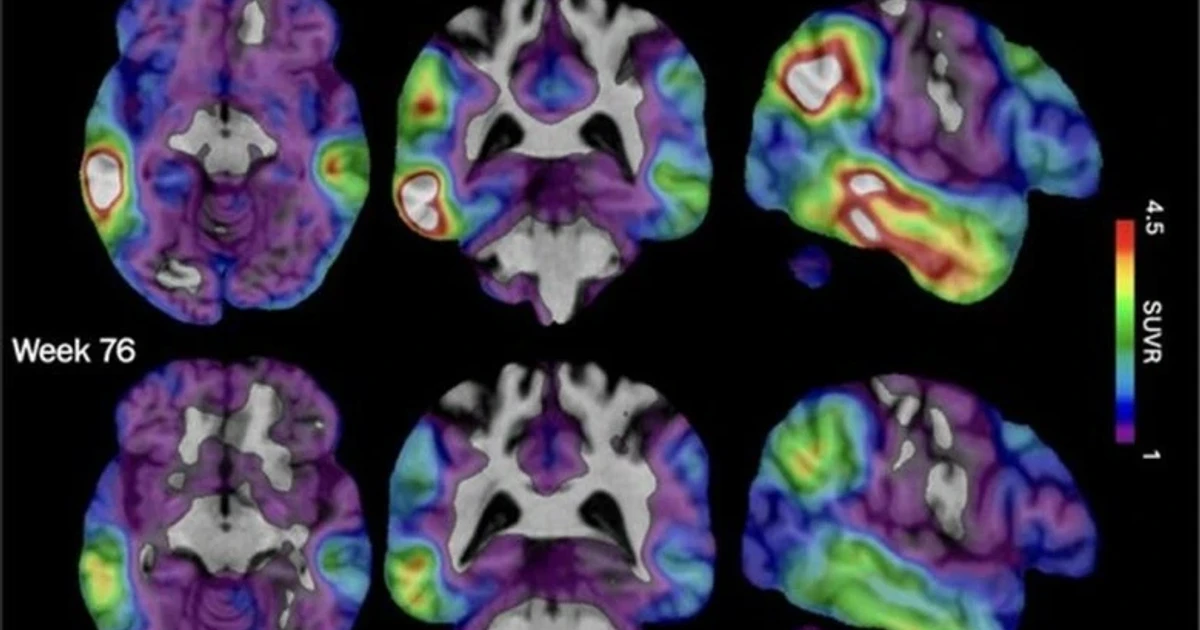
Biogen said diranersen lowered tau and showed signs of slowing early Alzheimer’s decline, giving the field one of its clearest hints yet that a tau-focused drug could move beyond the amyloid-first approach. The experimental treatment, also called BIIB080 and IONIS-MAPT Rx, is an antisense oligonucleotide designed to target MAPT RNA and reduce tau production at its source.
The company said its 18-month, randomized, placebo-controlled, dose-ranging phase 2 CELIA study enrolled about 400 people with early Alzheimer’s disease. In May, Biogen said the trial did not meet its primary endpoint for dose response on the Clinical Dementia Rating-Sum of Boxes at week 76. Even so, the company reported robust reductions in tau pathology and prespecified cognitive signals, especially at the lowest dose.
At the Alzheimer’s Association International Conference in London and online, Biogen said expanded data showed meaningful clinical efficacy and robust biomarker effects, and that it planned to move diranersen into confirmatory phase 3 development. The company’s case rests on more than biomarker movement alone: researchers said the drug not only lowered tau but also slowed cognitive decline, with a small subset showing effects that could look comparable to amyloid therapy.

That matters because the current anti-amyloid drugs, lecanemab and donanemab, can modestly slow cognitive decline, but they do not halt the disease and they do not work for everyone. Tau has increasingly been viewed as another key driver of Alzheimer’s, and prior attempts to target it have mostly failed, leaving the field searching for a drug that can translate biological change into measurable patient benefit.
Jessica Langbaum of Banner Alzheimer’s Institute, who was not involved in the work, called the result “really quite promising” if it holds up in the next phase of testing. Reisa Sperling of Mass General Brigham was more guarded, saying, “This is early days.”
Ionis Pharmaceuticals said the CELIA results were the first evidence from a randomized phase 2 tau-directed therapy study showing both biomarker impact and cognitive benefit in early Alzheimer’s. That does not make diranersen a standard treatment, but it does put a tau drug into a stage of development where the next trial will have to answer the question that has long hung over the field: whether a biological signal can become durable benefit for patients.
Alzheimer’s affects more than 7 million Americans and tens of millions of people worldwide, so even a modestly effective therapy would have large implications for patients, caregivers and health systems.
Sources
- [1]bangordailynews.com
- [2]investors.biogen.com
- [3]aaic.alz.org
- [4]alz.org
- [5]ir.ionis.com