Health
Experimental molecule reprograms brain immune cells in Alzheimer’s models
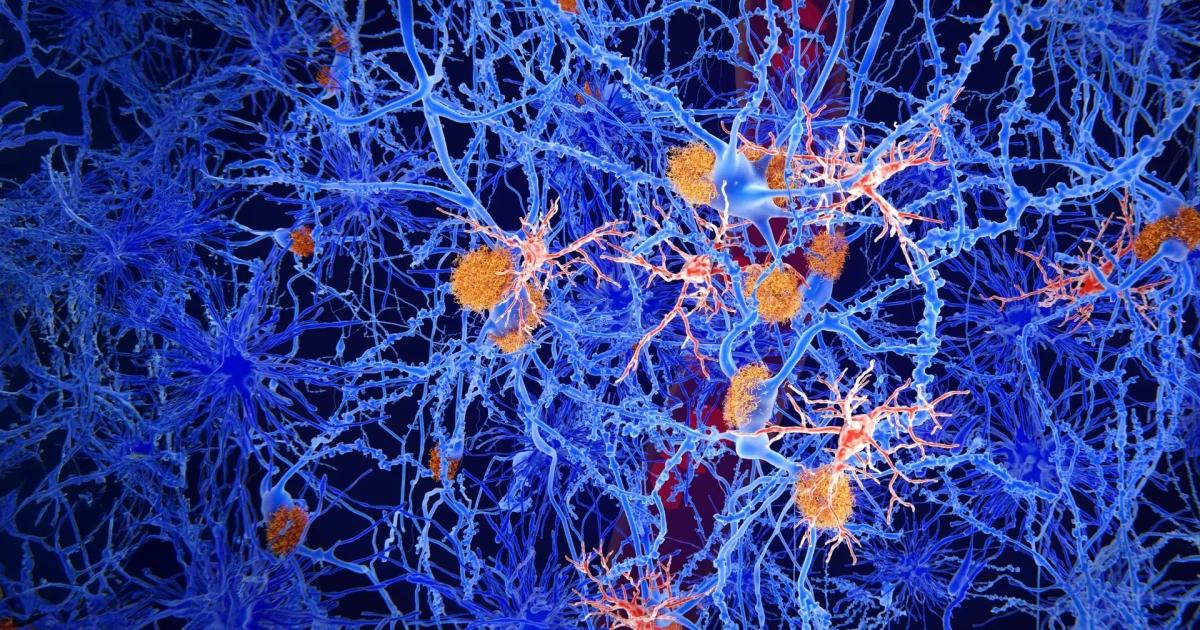
A molecule tied to the PM20D1 gene has shown an unusual Alzheimer’s effect in animals: it reprogrammed microglia, the brain’s immune cells, so they moved toward beta-amyloid plaques, contained them and built a barrier around the deposits. In the process, researchers saw smaller, less toxic plaques and better memory performance, a combination that points to a different treatment strategy than simply trying to clear amyloid.
The work, by Victoria Pozzi-Ruiz, Aida Giner de Gracia, Liliane Glauser, Mario Romani, Fatima Gunter-Rahman and Jose V. Sanchez-Mut, was published in Cell Death & Disease under the title “The PM20D1-OLE pathway induces microglia rewiring to ameliorate Alzheimer disease.” Nature lists the paper as open access. The manuscript was received on November 13, 2025, revised on April 1, 2026 and accepted on April 15, 2026.

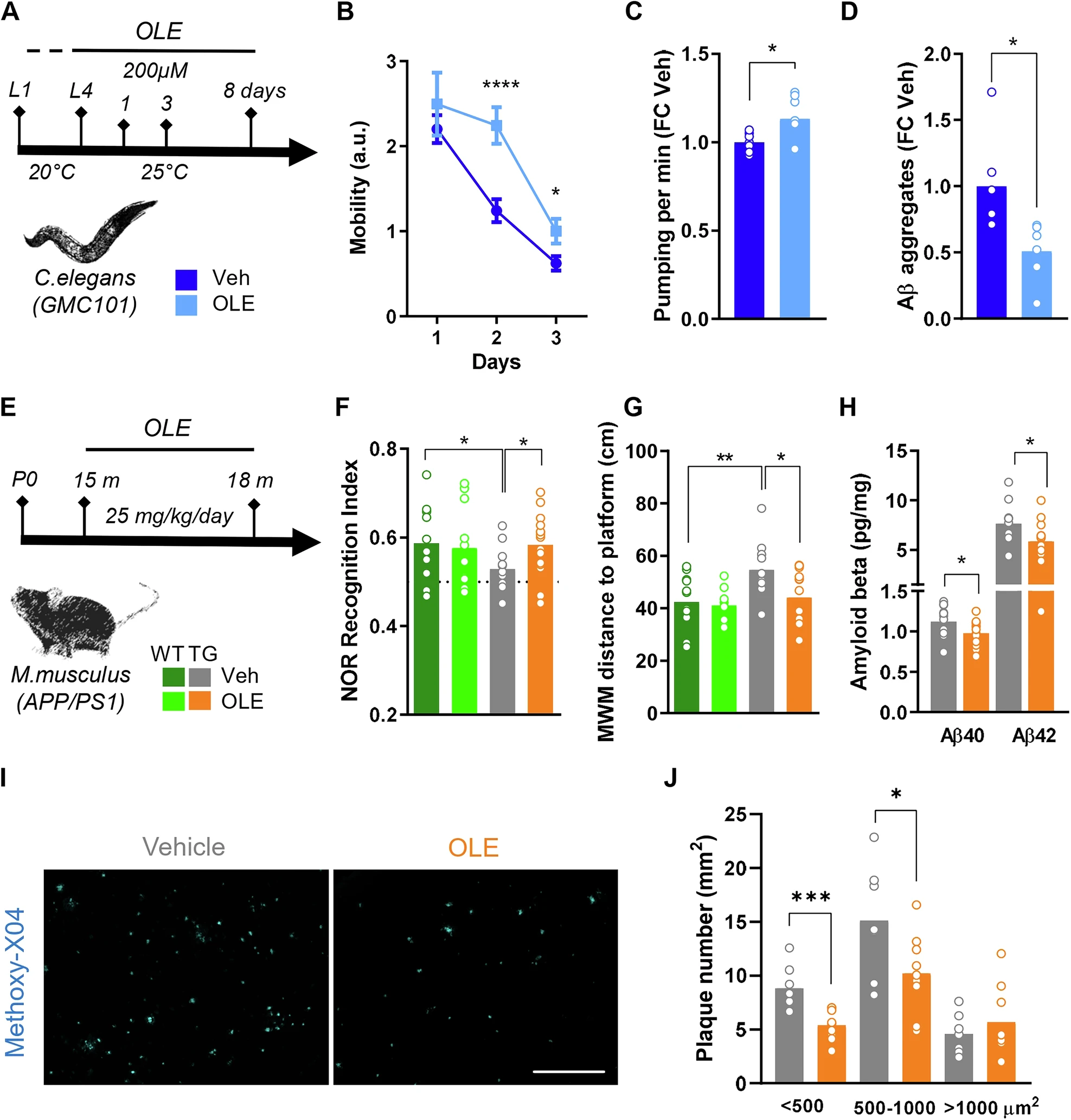
The experiments reached from the worm model C. elegans GMC101 to APP/PS1 mice. In the worm system, OLE reduced protein aggregates and improved mobility. In the mouse studies, EurekAlert! said the compound was given for three months, long enough for the researchers to track whether the brain’s own cleanup cells could be pushed back toward a more protective state rather than a damaged, inflammatory one.
That distinction matters because Alzheimer’s has long been defined not just by plaques, but by the slow loss of cognition that follows years of immune dysfunction and neuronal injury. Review literature has described microglial activation and neuroinflammation as central to disease progression, and the new results fit that larger view by treating microglia as active participants that can be redirected. The idea is not just to remove debris, but to restore the cells that help police it.
The study also connects to earlier work on PM20D1. A 2018 Nature paper identified PM20D1 as a quantitative trait locus linked to an Alzheimer’s risk haplotype, and reported that overexpressing PM20D1 reduced AD-like pathology and cognitive impairment in mice. A later PubMed review noted that PM20D1 expression decreases with aging, which may help explain why the pathway drew attention as a target.

Most important, the paper goes beyond animal models. The authors reported evidence that PM20D1- and OLE-mediated microglia association with amyloid plaques, along with neuroprotection, also appeared in human Alzheimer’s brains. That does not mean a treatment is ready for patients, but it does mark a mechanistic step forward: if the finding holds up, reprogramming brain immune cells could become part of the Alzheimer’s playbook and, eventually, a platform for other neurodegenerative diseases.