Technology
Experts Call for Caution Amid AI Hype at REAIM Summit
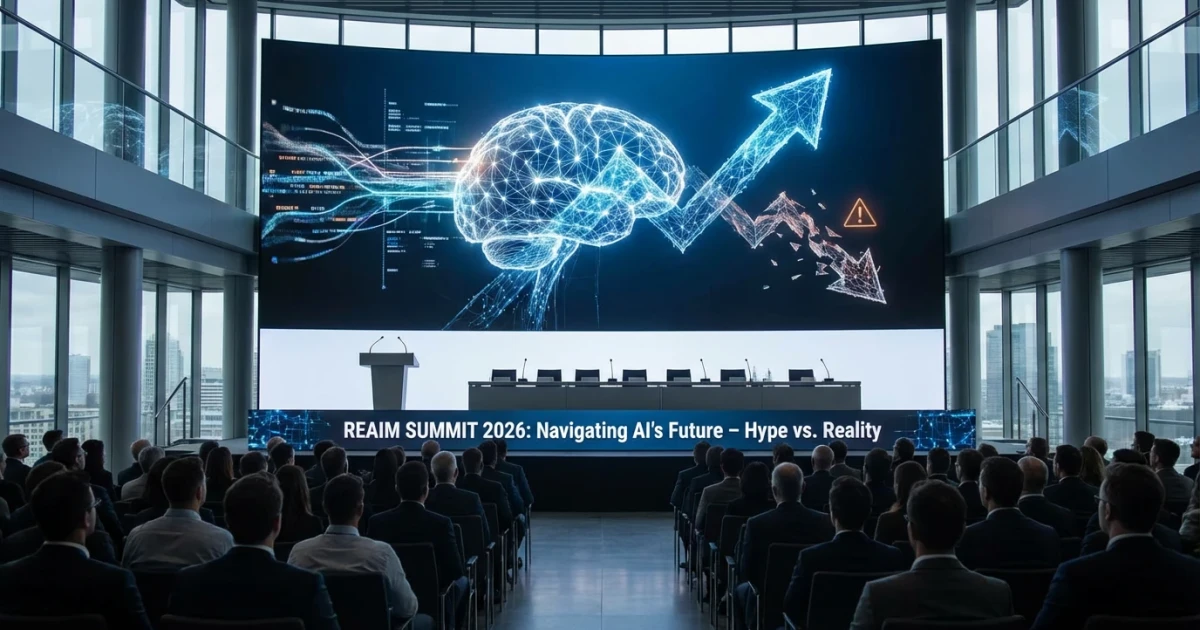
The 2026 REAIM Summit brought together global leaders, researchers, and policymakers to examine the fast-evolving role of artificial intelligence (AI) in military and security contexts. While the event showcased optimism about AI’s potential, experts and analysts urged caution, warning against the dangers of inflated expectations and emphasizing the need for robust, informed policy frameworks.
Growing Enthusiasm Meets Critical Reflection
Interest in AI adoption has surged in recent years, fueled by rapid advances in machine learning research and increased investment by both governments and the private sector. The REAIM Summit’s official programme featured sessions on autonomous weapons, AI-enabled surveillance, and international regulatory efforts. Many attendees highlighted the transformative potential of AI to enhance security, streamline operations, and support peacekeeping missions.
However, as reported by Just Security, several speakers and analysts expressed concern that the atmosphere of artificial urgency could lead to hasty policy decisions. The summit’s debates underscored the tension between embracing innovation and ensuring that regulatory frameworks are not outpaced by technological change.
Calls for Evidence-Based Policy
Experts at the summit emphasized the importance of grounding policy decisions in rigorous evidence and transparent analysis. While AI systems are being rapidly deployed in sensitive domains, there remain significant gaps in understanding their long-term implications, risks, and limitations.
- Recent AI Index reports highlight that research output and investment in AI have reached record levels, but practical deployment often lags behind the hype.
- Interactive dashboards from the OECD AI Policy Observatory show a patchwork of national strategies and regulatory approaches, with few countries adopting comprehensive oversight mechanisms for military AI applications.
- Official UN documents indicate ongoing debate about the ethics and legality of autonomous weapon systems, with many states calling for greater international coordination.
The Hype Cycle and Its Risks
Reflecting on the summit, Just Security analyzed the phenomenon of the "AI hype cycle," where initial excitement can outpace realistic assessments of the technology’s capabilities and risks. This cycle can lead to both overinvestment in unproven solutions and underestimation of potential harms, such as algorithmic bias, escalation of conflicts, and accidental escalation in military contexts.
Research from Brookings and others has shown that AI development follows predictable patterns of hype, disappointment, and eventual maturation. Summit participants stressed the need to avoid repeating past mistakes seen in other technology waves, advocating instead for sustained, critical oversight and cross-sector dialogue.
Balancing Innovation and Oversight
Looking forward, the consensus among many speakers was that the international community must balance the drive for innovation with robust ethical and legal oversight. This includes:
- Expanding the evidence base for AI deployment through independent research and transparent data sharing
- Developing international norms and agreements, as discussed in the latest AI policy database
- Ensuring that rapid advances do not outpace the ability of lawmakers and regulators to address new risks
While enthusiasm for AI’s potential remains high, the REAIM Summit highlighted the ongoing need for critical reflection, collaborative governance, and a measured approach to policy. As the field continues to evolve, the challenge will be to harness AI’s benefits without succumbing to artificial urgency or hype-driven decision-making.