Technology
Experts Highlight Shifting Landscape in US AI Policy
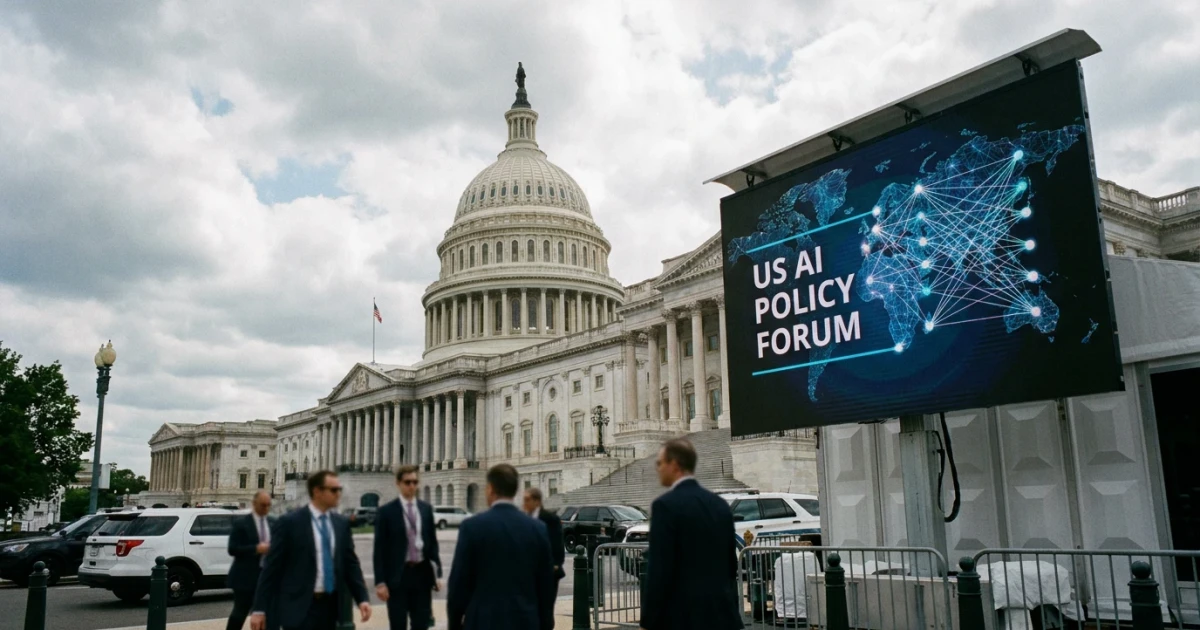
Dean Ball, a policy analyst and commentator, has weighed in on the evolving landscape of artificial intelligence policy in the United States, as reported by The Washington Post. Recent shifts in AI regulation reflect growing concerns about risk management, accountability, and the nation’s position in a rapidly advancing global sector.
Risk Management Takes Center Stage
US policymakers increasingly prioritize risk management frameworks for AI development. This is seen in the adoption and refinement of guidelines such as the NIST AI Risk Management Framework, which offers comprehensive strategies for identifying, assessing, and mitigating risks associated with artificial intelligence systems. The framework provides technical and policy guidance for both public and private entities, emphasizing transparency, reliability, and ethical considerations.
- The framework outlines core principles for safe AI deployment, including accountability and explainability.
- It is used by federal agencies and recommended for industry adoption, helping set standards for risk mitigation.
Regulatory Shifts and Accountability
The US government’s approach to AI regulation has shifted from broad principles to more targeted legislative actions. New bills and executive orders emphasize responsible innovation and the need for clear accountability. One notable effort is the Blueprint for an AI Bill of Rights, which lays out official recommendations and rights for individuals affected by AI systems.
- The blueprint addresses fairness, privacy, and protection against algorithmic discrimination.
- Regulators call for robust impact assessments and public transparency in AI deployment.
Global Context and Competitive Pressure
Ball’s analysis places US AI policy within a global context, noting the competitive pressures from Europe and Asia. The European Commission’s AI Watch monitoring initiative tracks adoption, policy progress, and the impact of regulation across member states. This underscores the importance of harmonizing international standards while safeguarding domestic innovation.
- Europe’s stricter regulatory approach contrasts with the US focus on innovation and risk management.
- US policymakers seek to balance global competitiveness with ethical responsibilities.
Policy Analysis and Looking Forward
Ball’s insights, as highlighted by The Washington Post, suggest that US AI policy will continue to evolve in response to technological advances and societal concerns. Policymakers are expected to refine frameworks and legislative actions as AI applications become more ubiquitous and influential. The ongoing debate centers on how best to foster innovation while protecting public interests.
As the US adapts its regulatory environment, stakeholders—including developers, businesses, and civil society—will play a critical role in shaping future policy. The adoption of robust risk management tools and the alignment of ethical principles with practical governance are likely to be central themes in the coming years.