Health
Experts Reevaluate How Breast Cancer Screening Is Done
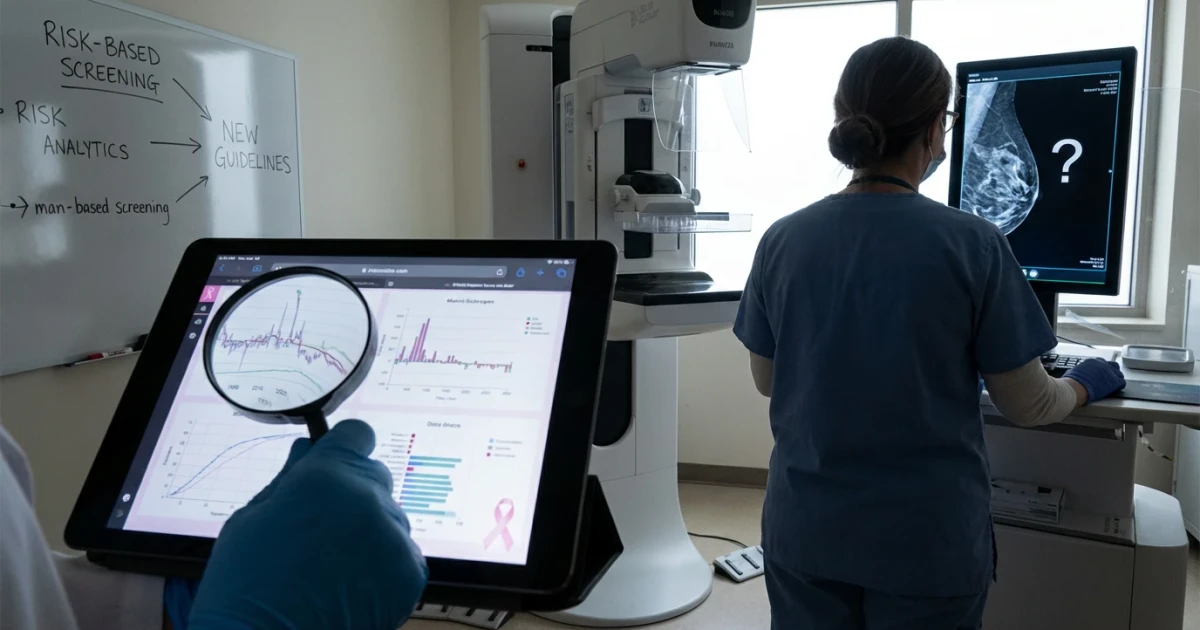
As breast cancer remains one of the most common cancers among women, the longstanding practice of routine mammogram screening for everyone in a certain age group is being reexamined. Recent discussions among clinicians and researchers indicate a growing consensus that a risk-based approach may offer a better balance of benefits and harms, marking a potential turning point in breast cancer screening strategy.
Rethinking the One-Size-Fits-All Model
For decades, the standard recommendation has been for women to begin regular mammogram screening at a certain age, typically between 40 and 50, and to continue at set intervals. This model, designed to detect cancer early and reduce mortality, has saved lives, but it also has limitations. The Washington Post recently highlighted growing concerns that this approach may not account for the vast differences in individual risk, leading to potential overdiagnosis, unnecessary biopsies, and anxiety for some, while missing higher-risk individuals who might benefit from more frequent screening or advanced imaging technologies.
Why Risk-Based Screening Is Gaining Momentum
Experts now advocate for a shift toward risk-based breast cancer screening, an approach that tailors screening recommendations to a woman's unique risk profile. Factors such as family history, genetics, breast density, and lifestyle are all considered. This personalized strategy could maximize the benefits of early detection while minimizing the drawbacks of overtreatment.
- Current data from the SEER Cancer Stat Facts shows that while breast cancer incidence remains high—with about 297,790 new cases estimated in the U.S. in 2024—mortality rates have declined due to advances in screening and treatment.
- The CDC notes that Black women are more likely to die from breast cancer than White women, despite similar screening rates, underscoring the need for more targeted interventions.
- Risk-based screening could help address disparities and improve outcomes by focusing resources on those most at risk.
Weighing Benefits and Harms
Routine screening does reduce breast cancer deaths, but it is not without harms. According to a Cochrane systematic review, mammography screening results in both overdiagnosis (finding cancers that would never become life-threatening) and false positives, leading to unnecessary procedures and stress. A risk-based approach, proponents argue, could reduce these unintended consequences by offering more intensive screening only to those who truly need it.
Shifting Guidelines and Ongoing Debate
Major organizations, such as the U.S. Preventive Services Task Force (USPSTF), have periodically updated their recommendations, reflecting new evidence about the effectiveness and harms of screening. The debate is ongoing: some experts warn that risk-based models could complicate screening access or miss cancers in low-risk women, while others see it as a necessary evolution toward more precise, equitable care.
According to a recent review in the medical literature, pilot programs for risk-based screening are already underway in several countries, with early results suggesting improved patient satisfaction and better resource allocation.
What Comes Next?
The push for risk-based breast cancer screening reflects a broader movement in medicine toward personalized care. While more research and real-world data are needed to fully implement and optimize these strategies, the momentum is clear. Patients and providers are encouraged to discuss personalized risk and screening schedules, rather than relying solely on age-based guidelines.
As the science and technology evolve, the hope is that breast cancer screening can become more effective, less burdensome, and more equitable for all women.