Health
Experts warn heatwaves hit women harder, call for targeted protection

Heat stress already kills an estimated 489,000 people a year worldwide, and health experts say women’s risks are still not reflected in the way governments warn the public or design protections. The World Health Organization says heat-related mortality among people over 65 rose by about 85% between 2000-2004 and 2017-2021, underscoring how climate-driven heat is stretching health systems while leaving some groups more exposed than others.
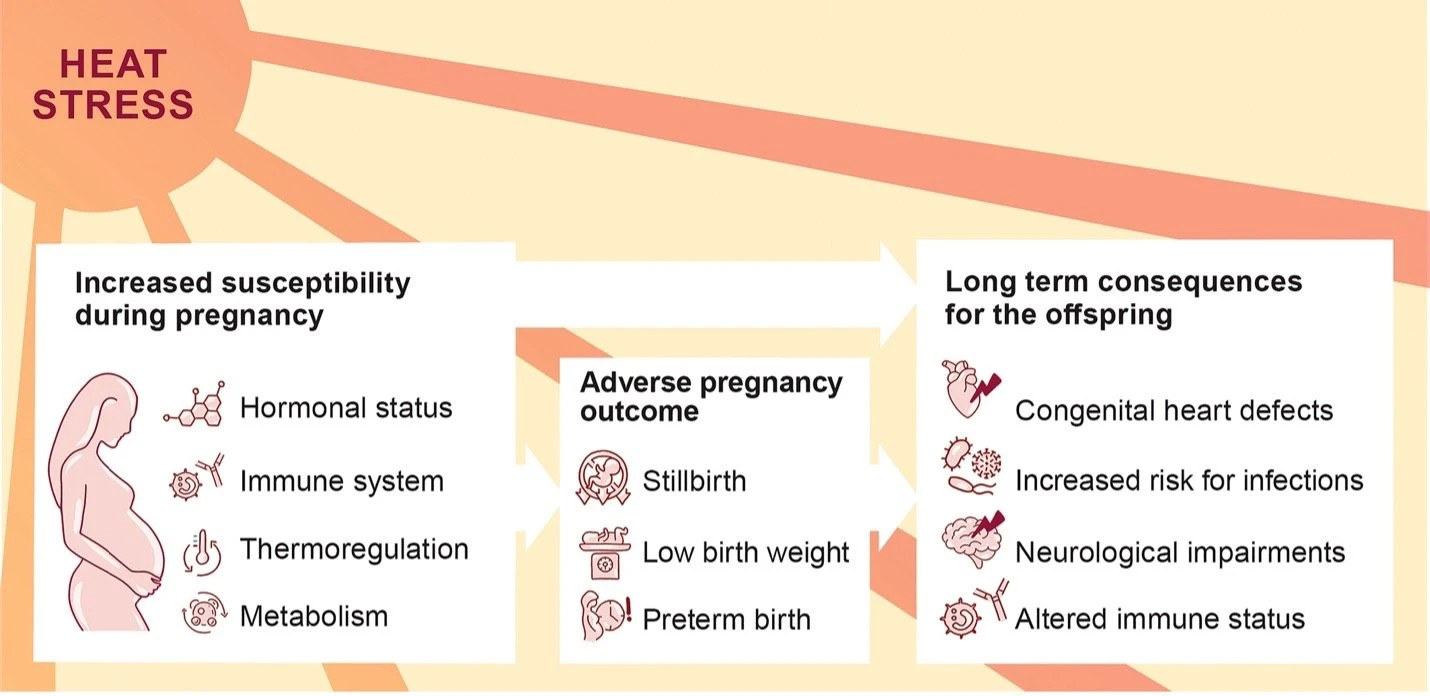
The gap is most obvious in pregnancy. The World Health Organization has said pregnant women and babies can be affected by hot weather, especially when women are socioeconomically vulnerable, and warned in 2024 that climate-related health risks during pregnancy have been crucially underestimated and neglected in the climate response. That warning matters because heat is not only an inconvenience, but a recognized environmental and occupational hazard, and the agency says heat stress is a leading cause of weather-related deaths.
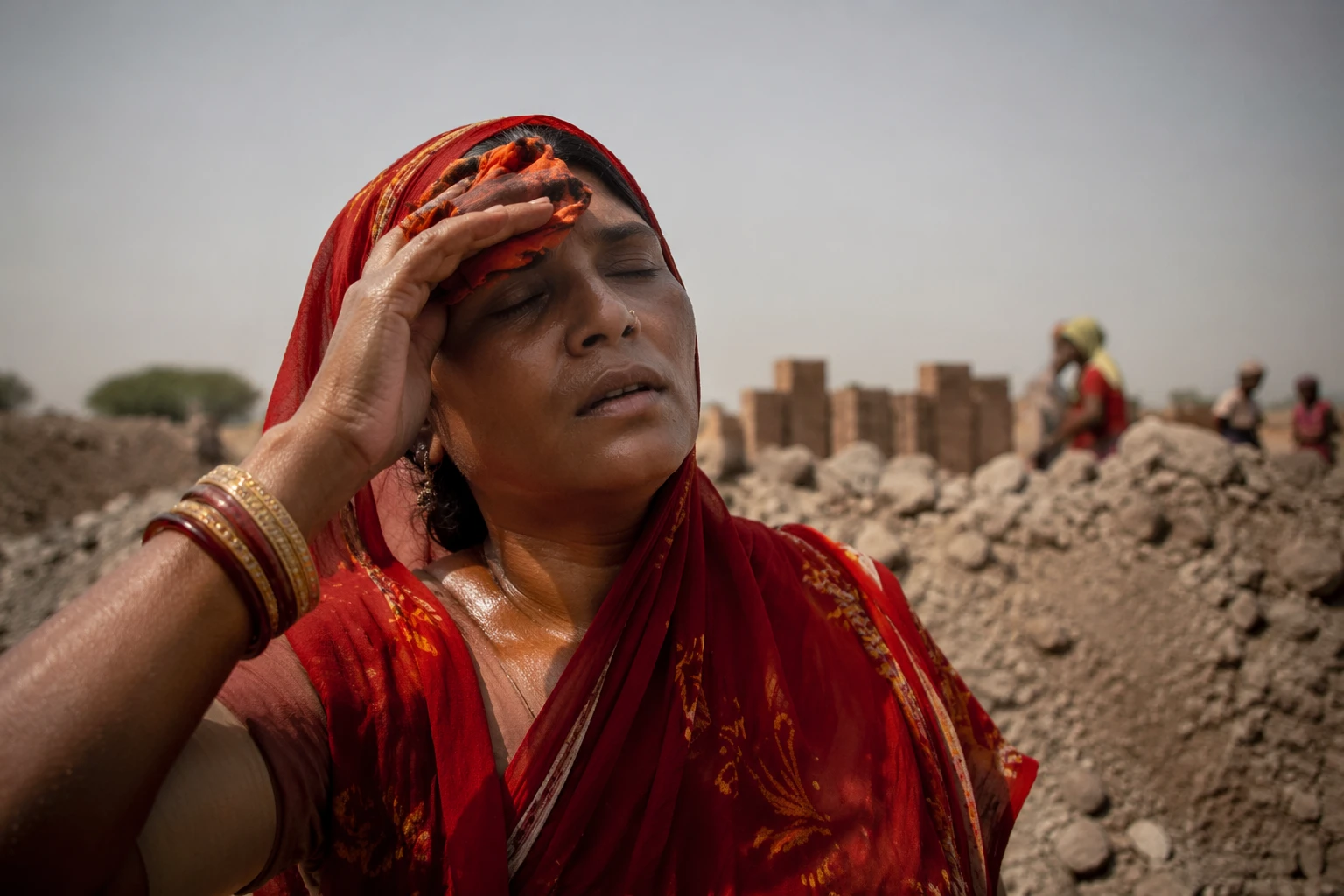
Evidence of the sex difference is not new. A major study of the August 2003 France heatwave found about 15,000 excess deaths in the first 20 days of August, with excess mortality 15% higher in women than in men of comparable age from age 45 onward. More recently, the Office for National Statistics reported more excess deaths in females than males across heat periods in England and Wales in 2022, with 2,159 excess deaths among females compared with 1,115 among males.
Public-health planning has not fully caught up. In England, the UK Health Security Agency and the Met Office operate the Heat-Health Alerting System from 1 June to 30 September, but WHO says effective heat-health action plans need to identify at-risk populations, communication methods, health-system resilience and surveillance. The NHS and government advice now says anyone can become unwell in hot weather, while older people and those with underlying health conditions face the highest risk of heat exhaustion and heatstroke, yet that broad messaging can miss how women’s exposure changes across pregnancy, caregiving and work.
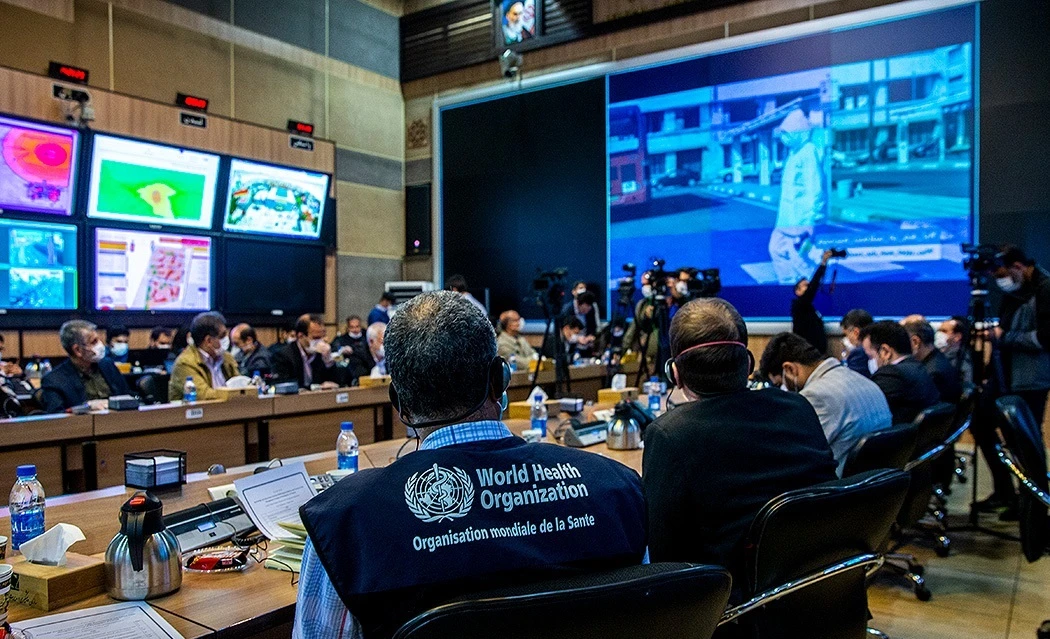
WHO says the number of people exposed to extreme heat is rising quickly as climate change intensifies, making targeted protection more urgent. The agency has also said the human costs of heatwaves can be reduced when emergency prevention, preparedness, response and recovery measures are in place, a standard that still leaves women too often treated as an afterthought.
Sources
- [1]bbc.co.uk
- [2]who.int
- [3]ons.gov.uk
- [4]europepmc.org
- [5]gov.uk
- [6]weather.metoffice.gov.uk