Health
Experts Weigh In on Hydration’s Role in Kidney Stone Prevention
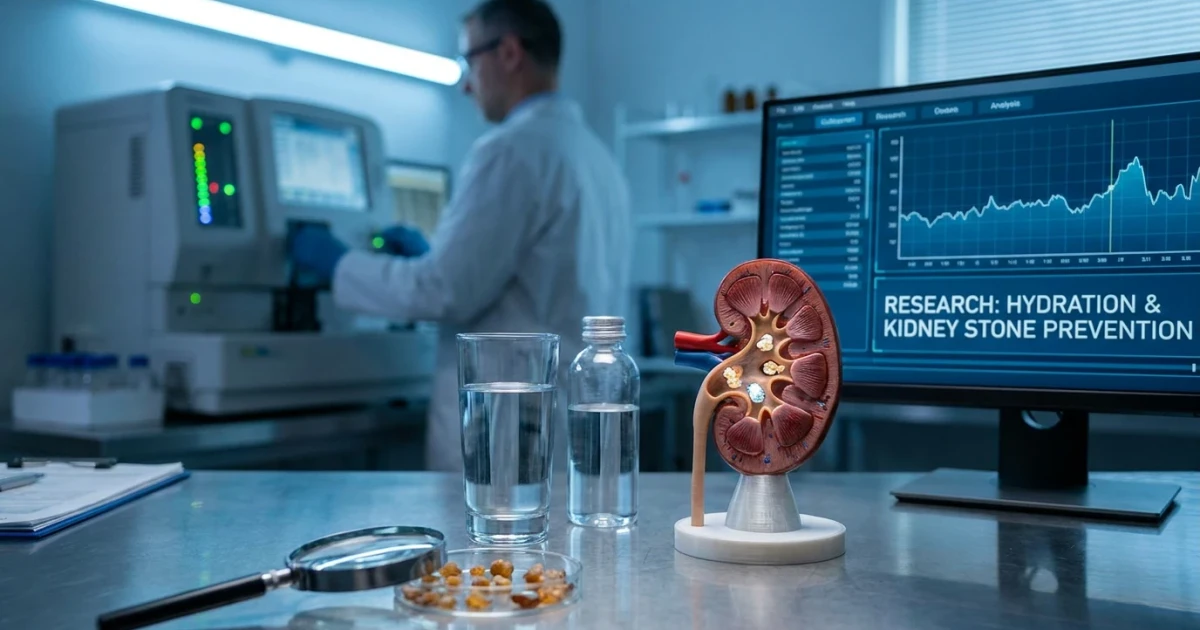
Kidney stones are a painful and increasingly common health concern, with millions of Americans experiencing them each year. For decades, the conventional wisdom has been that drinking plenty of water is the key to prevention. But recent expert analysis and new studies suggest that the relationship between hydration and kidney stone prevention is more nuanced than previously believed, according to The Washington Post.
Hydration: A Foundational, But Not Sufficient, Strategy
Drinking enough water has long been recommended by medical professionals as a first step in reducing the risk of kidney stones. This advice is grounded in the idea that increased fluid intake dilutes urine, lowering the concentration of minerals that can crystallize into stones. The Centers for Disease Control and Prevention notes that kidney stones affect roughly 1 in 10 people in the United States at some point in their lives, and hydration remains a cornerstone of prevention efforts.
- The National Institute of Diabetes and Digestive and Kidney Diseases (NIDDK) officially recommends drinking enough fluids to produce about 2 to 2.5 liters of urine per day as a way to lower the risk of stone formation.
- According to the CDC, kidney stones are more common among men, with risk increasing with age, obesity, and certain dietary patterns.
New Research Challenges the Hydration-Only Approach
However, a growing body of research indicates that simply drinking more water may not be a universal solution. The Washington Post highlights recent findings suggesting that while hydration is important, it may not be sufficient for everyone. Some people, especially those with a genetic predisposition or underlying metabolic conditions, may develop stones despite adequate fluid intake.
Studies reviewed in the peer-reviewed journal Hydration and Kidney Stone Disease found that although higher fluid intake generally reduces risk, other factors such as diet, salt consumption, and certain medications can significantly influence stone formation. Additionally, not all fluids are created equal—sugary drinks and those high in sodium can actually increase risk.
Diet and Lifestyle: Beyond Water
Experts recommend a more holistic approach to kidney stone prevention. Alongside adequate hydration, the latest research and guidance from the National Kidney Foundation emphasize:
- Reducing sodium intake, as high salt diet increases calcium in urine
- Consuming adequate amounts of dietary calcium from food, not supplements
- Limiting intake of animal proteins, which can raise uric acid levels
- Eating more fruits and vegetables, which help prevent stone formation
- Avoiding excessive intake of foods high in oxalate, such as spinach and nuts, for those at risk
This comprehensive strategy is tailored to individual risk factors, which can be determined by a healthcare provider through urine and blood tests.
Who Should Be Most Concerned?
According to CDC FastStats, kidney stones are most prevalent among adults aged 40 to 60, but cases in younger adults and even adolescents are rising, likely due to dietary changes and increased rates of obesity. Family history, chronic dehydration (from high-activity jobs or living in hot climates), and certain medical conditions (like inflammatory bowel disease) further increase risk.
Key Takeaways for Prevention
- Drinking water remains a key part of kidney stone prevention, but it is not always sufficient by itself.
- Dietary and lifestyle changes are equally important, with a focus on reducing sodium, moderating animal protein, and increasing fruits and vegetables.
- Individuals with a history of kidney stones or risk factors should consult a healthcare provider for personalized guidance and testing.
Looking Ahead
While staying hydrated is a simple and effective way to lower the risk of kidney stones for many people, new evidence underscores the importance of a multi-faceted approach. As research continues to evolve, the consensus among experts is clear: prevention is most effective when it combines hydration with a balanced diet and healthy lifestyle choices.