Lifestyle
Exploring Gen Z’s Fascination with Chinamaxxing
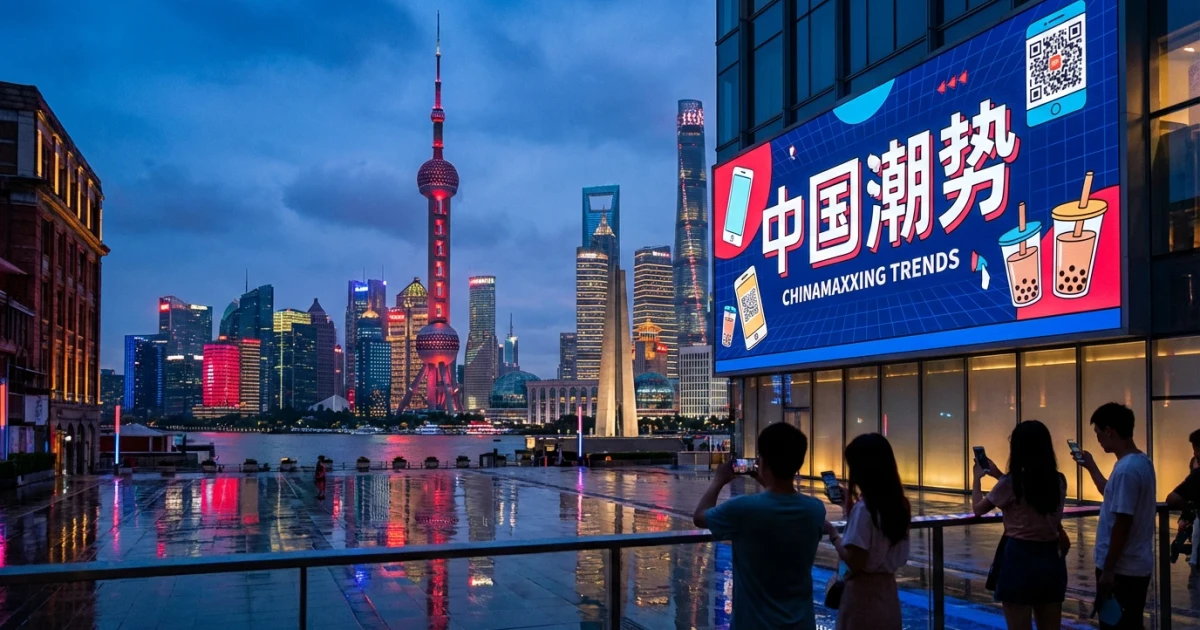
Chinamaxxing is rapidly gaining attention among Gen Z, as young people across social media platforms embrace elements of Chinese culture, technology, and lifestyle. The term, which has sparked widespread discussion and curiosity, reflects a deeper trend in how globalization and digital connectivity are shaping youth identity and aspirations.
Understanding Chinamaxxing
Defined by Merriam-Webster, Chinamaxxing refers to the deliberate adoption or admiration of Chinese cultural norms, technological products, and social trends. It’s a blend of fascination with China’s economic growth, its cultural exports, and the perception of opportunity within the country.
The phenomenon has become especially pronounced among Gen Z, who have grown up in a hyper-connected world, often exposed to a diverse array of influences. According to Pew Research Center data, young people’s views on China are complex, with attitudes varying by country, but interest in Chinese pop culture, tech, and education remains strong in many regions.
Why Is Gen Z So Drawn to Chinamaxxing?
- Tech Leadership: China’s rise as a global tech powerhouse has positioned companies like Huawei, Xiaomi, and TikTok at the forefront of youth culture. Gen Z admires the innovation and rapid development, often viewing Chinese products as both affordable and cutting-edge.
- Educational Opportunities: China’s expanding role in international education, documented by UNESCO, makes it an attractive destination for students seeking language skills, scholarships, and career advancement.
- Pop Culture Influence: The popularity of Chinese music, fashion, and entertainment, including C-pop, web dramas, and influencers, has surged on platforms like TikTok and Instagram, further fueling the trend.
- Economic Appeal: Many Gen Zers are drawn to China’s reputation for economic growth and entrepreneurial opportunities, as highlighted on Statista’s economic data pages.
Global Perspectives and Criticism
While some celebrate Chinamaxxing as a form of cultural appreciation and pragmatic engagement with a leading global power, others raise concerns. Experts at the Brookings Institution note that China’s growing soft power among global youth can sometimes mask underlying political and human rights controversies. International surveys from Ipsos reveal that while some Gen Zers admire China’s achievements, others remain skeptical due to geopolitical tensions and differing values.
The Urban Institute points out that Gen Z’s openness to global trends is not unique to China but is part of a broader shift toward cosmopolitan identity. However, the scale and speed of Chinamaxxing have prompted new debates about cultural influence and authenticity.
The Social Media Factor
Platforms like TikTok, which is owned by Chinese company ByteDance, play a significant role in spreading Chinamaxxing trends. Viral videos on language learning, Chinese street fashion, and tech reviews fuel the movement’s visibility. Moneywise.com reports that hashtags related to Chinamaxxing have generated millions of views, making it a prominent topic in Gen Z digital spaces.
Looking Ahead
As China’s influence continues to grow, the Chinamaxxing phenomenon is likely to evolve. Observers suggest that Gen Z’s interest in China is both pragmatic—seeking opportunity and innovation—and shaped by the globalized internet culture they inhabit. Whether this trend leads to deeper cross-cultural understanding or sparks further debate remains to be seen, but its impact on youth identity is undeniable.