Technology
Exploring the Benefits and Risks of Artificial Intelligence
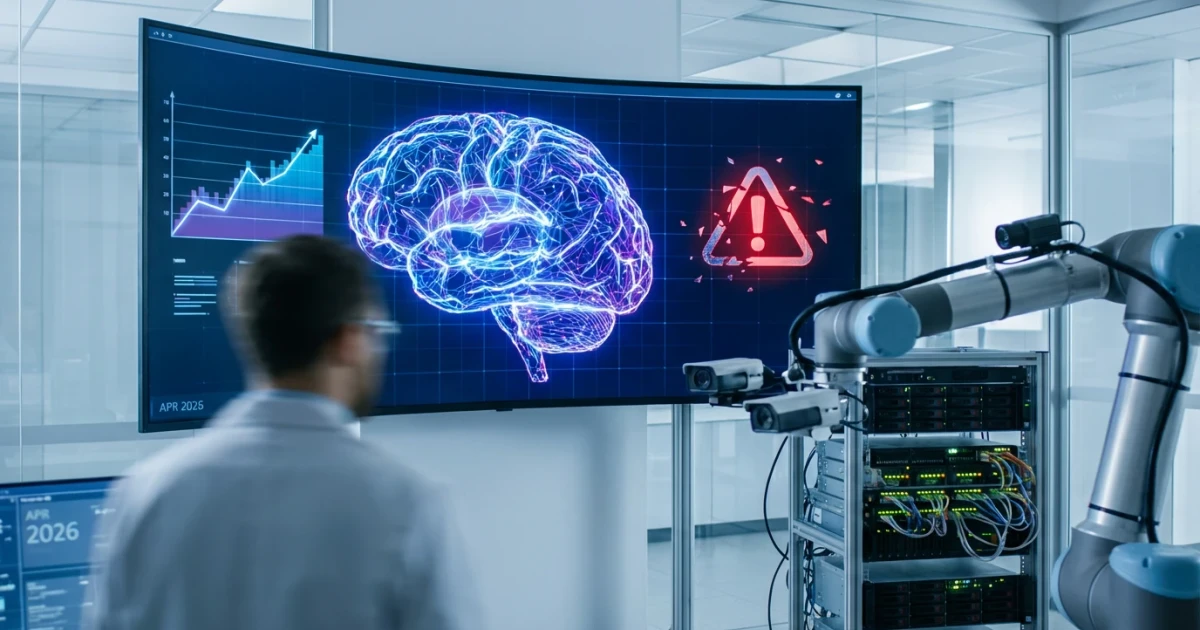
Artificial intelligence (AI) is rapidly shaping modern society, delivering both significant advantages and notable challenges. As AI technologies become increasingly integrated into daily life, experts and policymakers are weighing the good, the bad, and the ugly sides of AI’s growing influence.
The Promise of Artificial Intelligence
- Efficiency gains: AI systems automate repetitive tasks, streamline workflows, and boost productivity across industries, from healthcare to manufacturing.
- Medical breakthroughs: Advanced algorithms power diagnostic tools, accelerate drug discovery, and support personalized medicine, helping doctors deliver better patient outcomes.
- Economic growth: According to the OECD AI Policy Observatory, global investment in AI has surged, fostering innovation and creating new job opportunities in technology and data science.
Research from the Stanford AI Index Report highlights how AI adoption is accelerating worldwide, with more organizations leveraging machine learning, natural language processing, and computer vision to solve complex problems and drive new business models.
Emerging Challenges and Concerns
- Job displacement: Automation threatens roles in sectors like manufacturing, customer service, and transportation, raising concerns about unemployment and the need for workforce retraining.
- Bias and fairness: AI systems can inadvertently reinforce or amplify existing societal biases, especially when trained on unrepresentative data. The International Labour Organization notes that ensuring fairness in AI decision-making remains a critical challenge.
- Privacy risks: AI-powered surveillance and data collection tools create new risks for personal privacy, particularly when used without clear consent or oversight.
As AI’s reach expands, the potential for real-world incidents and failures grows as well. Industry reports have documented cases where AI errors led to financial losses, misdiagnoses, or unfair treatment, underscoring the importance of robust safeguards and accountability measures.
Addressing the Risks: Regulation and Best Practices
Governments and international organizations are responding to AI’s risks with new frameworks and guidance. The NIST AI Risk Management Framework provides comprehensive guidelines for identifying, assessing, and mitigating AI risks in the public and private sectors. Meanwhile, the European Parliament continues to examine how privacy regulations like GDPR intersect with AI development and deployment.
- Calls for transparency and explainability in AI decision-making are growing, with stakeholders emphasizing the need for clear documentation and auditability.
- Ethical AI initiatives are gaining traction, focusing on human-centered design, inclusivity, and minimizing harm.
Looking Forward
AI’s transformative potential is clear, but so are its risks. As experts highlighted in the Northern News Now special report, society’s challenge is to maximize AI’s benefits while addressing its downsides through thoughtful policy, ongoing research, and cross-sector collaboration. For readers seeking deeper insights, resources like Our World in Data’s AI resource offer extensive visualizations and analysis on the state of AI adoption, investment, and public perception.
Ultimately, the future of AI will depend on how well stakeholders balance innovation with responsibility—ensuring these powerful technologies serve the public good.