US News
Extreme fire weather threatens Utah, Nevada and New Mexico this weekend
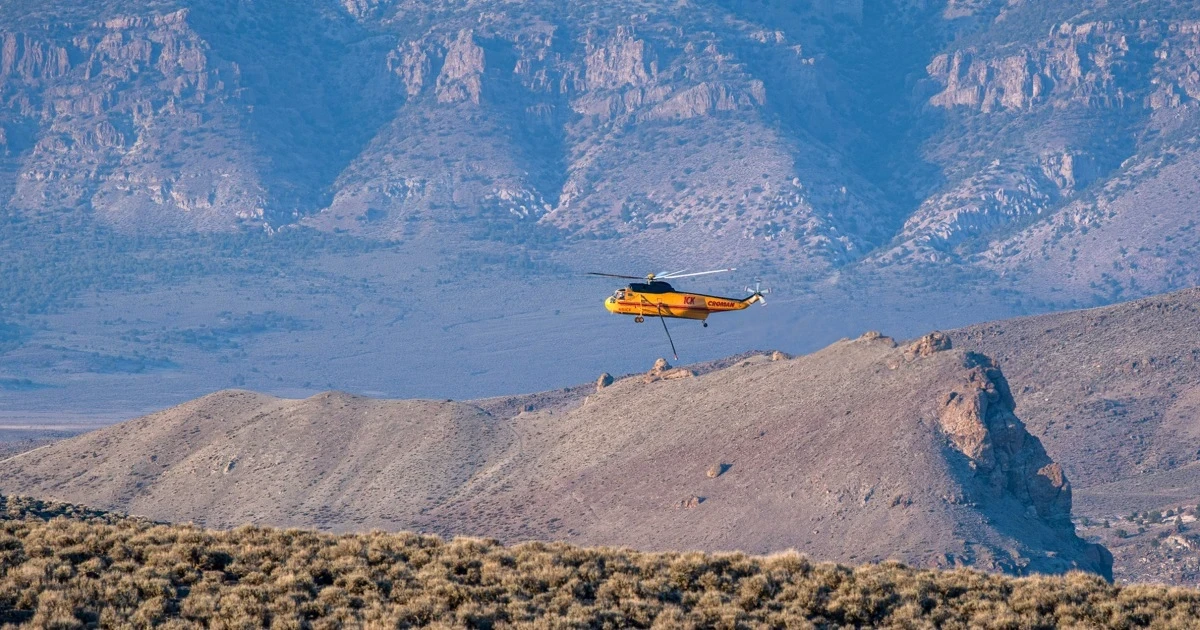
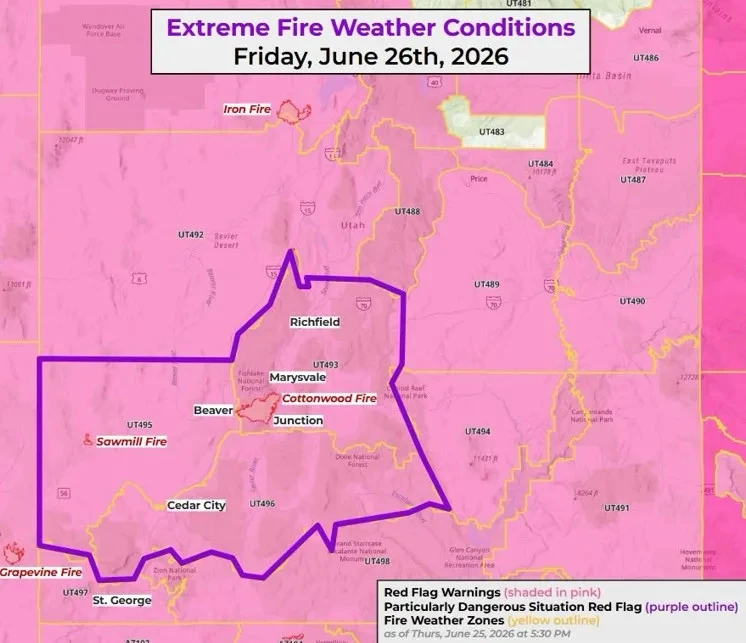
Red Flag Warnings covered parts of Utah and western Nevada on Saturday as the National Weather Service warned that “extremely critical fire weather conditions” were spreading across the Great Basin and Southwest. The agency said exceptionally dry and windy weather would promote rapid wildfire growth through the weekend, raising the danger that a single spark could turn into a fast-moving blaze.
In Utah, the Salt Lake City office issued Red Flag Warnings for desert areas and other warning zones, where afternoon and evening relative humidity was forecast to fall as low as 5% to 10%. That kind of dryness leaves fine fuels ready to ignite, and the weather service warned that any new fire starts or existing fires could spread rapidly once flames take hold.
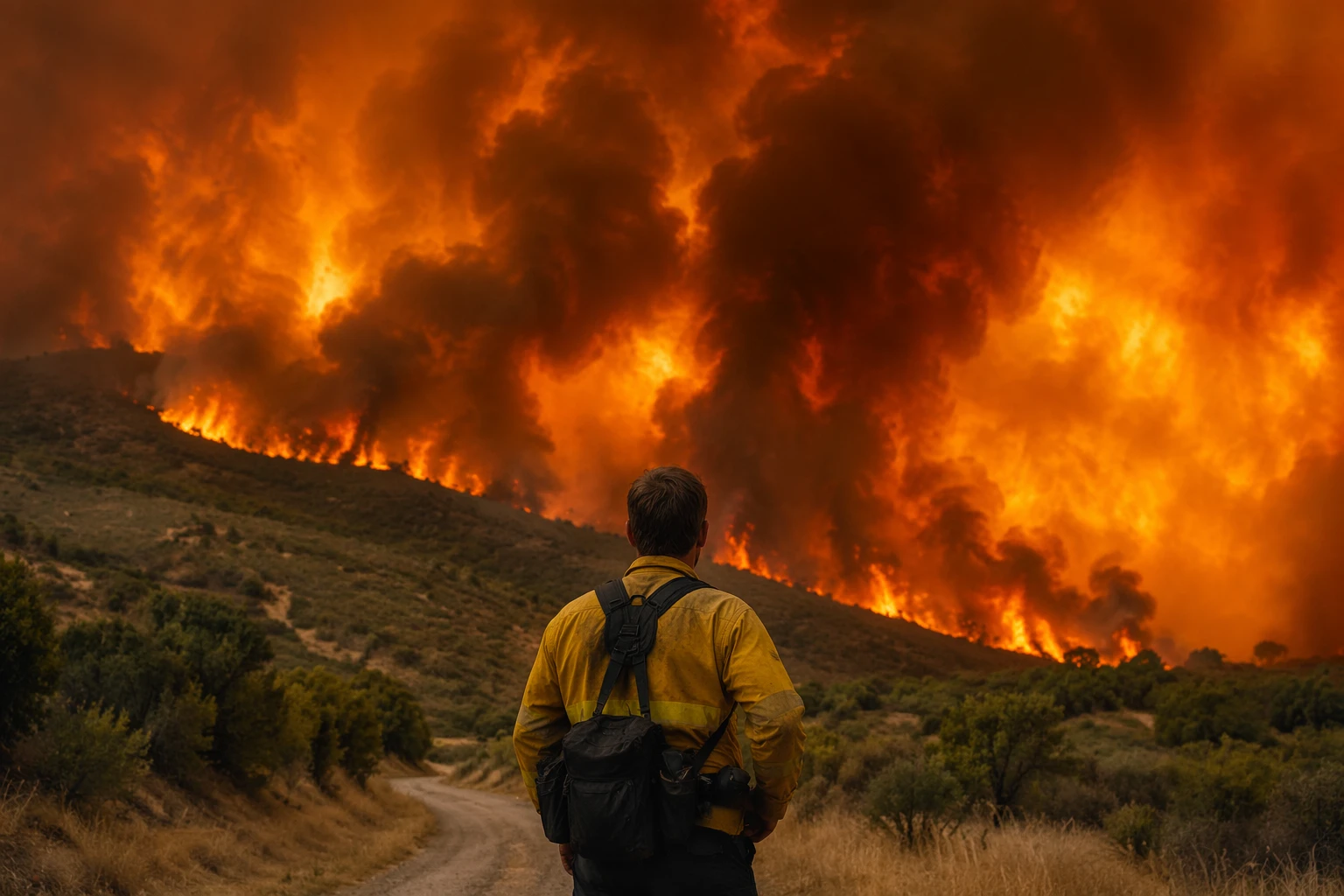
Western Nevada faced a similar setup. The Reno forecast office said a Red Flag Warning was in effect Friday through Saturday for much of western Nevada, including the Reno-Carson City-Minden area. Officials singled out common ignition sources, warning residents not to drag trailer chains or drive motorized vehicles over dry vegetation because those actions could spark new fires in brittle fuel beds.
New Mexico was also in the mix. The Albuquerque office highlighted the state’s 2026 monsoon outlook on June 22, underscoring how dry conditions can linger before summer rains arrive and leave vegetation primed for ignition. That matters because the Southwest is moving into the hottest part of the season with low humidity and strong winds already in place, a combination that can push fire spread faster than crews can catch it.
The practical meaning of “extremely critical” is simple: fires can run hardest where heat, wind and parched fuels line up first, especially in desert and foothill zones across Utah, Nevada and New Mexico. With the warnings stretching across multiple states at once, officials were focused on prevention, limiting the kinds of human activity most likely to start new fires and reduce the strain on already stretched firefighting resources.
Sources
- [1]nbcnews.com
- [2]weather.gov
- [3]forecast.weather.gov