Sports
F1 2026’s radical rule changes reshape racing and strategy
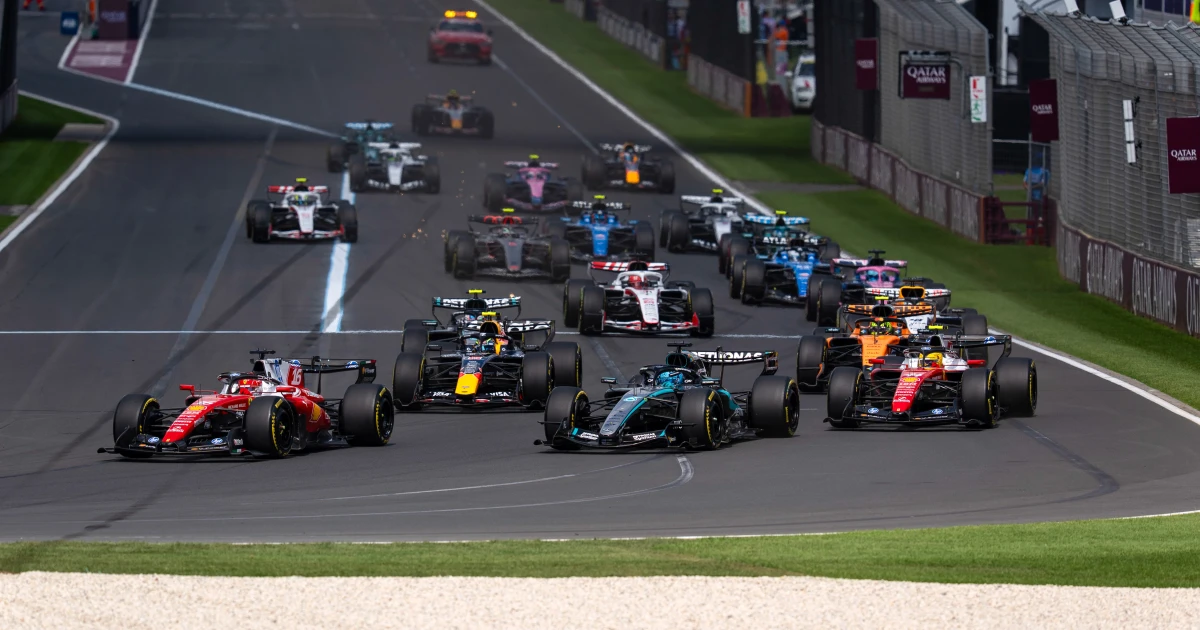
New engines, chassis, tyres and fuel arrived in Melbourne in March for Formula 1’s biggest rule change ever. The first half of Formula 1’s 2026 season has worked like a live stress test for the sport’s biggest rule change ever. New engines, chassis, tyres and fuel have produced faster debates than certainty, but the old order has not survived intact: Mercedes arrived as the early benchmark, McLaren turned into a title force, and Ferrari, Aston Martin and Red Bull all had to prove their preseason expectations on track.
A rules reset bigger than the usual technical tweak
Formula 1 began the year with its most sweeping regulation overhaul in history, and the scale of the change was visible before the first race in Melbourne. The season opener was the Australian Grand Prix from 6-8 March, and the calendar stretches to 24 races before finishing in Abu Dhabi on Sunday, 6 December.
The opening months also introduced an 11th team on the grid, adding another layer of pressure to a field already adjusting to unfamiliar cars. The new machines were very different from the 2025 cars, and that difference was the point. The sport entered a “brave new world”, with private testing in Spain followed by Bahrain, giving teams only a short window to learn how radically the package had changed.
Testing exposed the first false assumptions
The first private test at Circuit de Barcelona-Catalunya immediately showed how uneven the transition would be. Ten of the 11 teams took part, while Williams missed the session because its car was not ready. The 2026 regulations led to three pre-season test sessions.
The Bahrain test sharpened the picture, but it did not make it simpler. Lando Norris was quickest on the first day, 0.129 seconds ahead of Max Verstappen, although testing times were hard to decode. The early reactions from drivers ranged from enthusiasm to scepticism: George Russell said the cars looked “really cool out on the circuit”, Lewis Hamilton said they were “more fun” to drive, and Verstappen argued that the new cars were “not Formula 1”.
The most closely watched technical story was Red Bull’s first in-house F1 engine, built in partnership with Ford. Early testing focused on whether the package could still be recognised as Formula 1 and whether the new Red Bull power unit could deliver credible performance. The engine rules were designed not only to change racing, but to broaden the sport’s industrial appeal. Audi was drawn into the 2026 framework for that same reason, with the increased electrical component seen as a useful marketing link to its road-car business.
The new rules have changed racing, but not always in the same direction
On track, the first half of the season has been more overtly competitive than many feared, and the opening Australian Grand Prix set the tone. George Russell and Charles Leclerc repeatedly swapped the lead in the first 10 laps. In China, the best and worst of the new formula were on display in a race that exposed both closer racing and the lingering strain on tyre management, racecraft and safety judgement.
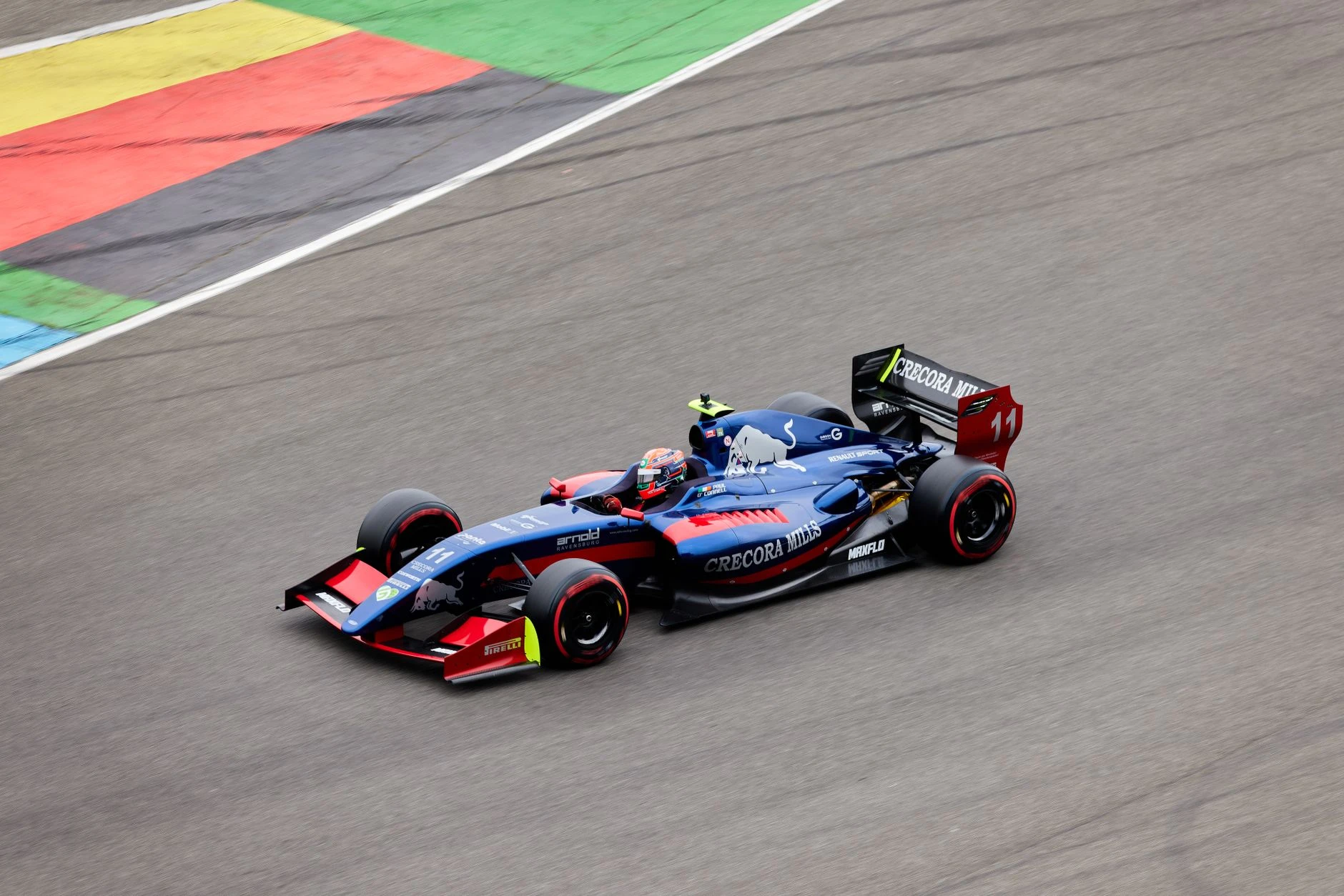
The overhaul has produced more overtakes and tighter racing. The new rules also created thorny questions around how hard drivers can fight in qualifying and how the racing should be policed. The sport has not settled the debate over whether the cars are more natural to drive or simply more complicated to exploit.
Mercedes and McLaren have rewritten the expected order
The biggest preseason assumption to hold up, at least early, was that Mercedes would be near the front. Mercedes were pre-season favourites, and Toto Wolff said Red Bull were “the benchmark” after Bahrain testing. That early confidence translated into results for the Mercedes camp, especially through George Russell and Kimi Antonelli.
Antonelli became one of the season’s shocks. He won five consecutive races and took pole position four times, and in one midseason Q&A he had built a 66-point lead over Lewis Hamilton after winning five of the first six races.
McLaren, meanwhile, turned an uneven start into a title-contending run. The team ended 2025 as champions, but the 2026 campaign began with questions about whether it could stay at the front or merely stay best of the rest. Norris answered one of those questions in Hungary, where he won from pole and called it “one of my best performances”. Oscar Piastri then led a McLaren one-two at the Belgian Grand Prix and stretched his championship lead by 16 points before the summer break.
Ferrari, Hamilton and Aston Martin show how hard the reset is to master
Ferrari’s first half of the year has been a blend of promise and frustration, with Lewis Hamilton at the center of both. Hamilton failed to finish on the podium in 2025, the first time that had happened in 19 F1 seasons, so his move to Ferrari arrived with heavy scrutiny. He scored his first Ferrari podium in China, a result that fed the sense that he might be rediscovering old form, but the team’s season has still been shaped by starts, strategy calls and consistency.
The Hungarian Grand Prix exposed that fragility again when Hamilton received a five-second penalty for speeding in the pit lane. The new regulations have not only altered car behavior, they have increased the value of execution. A slower stop, a misread strategy or a penalty now carries more weight in a field where margins are already compressed.
Aston Martin has become the other major proving ground. Adrian Newey described its car as “one of the more extreme interpretations” of the new rules, and the team’s first Newey-designed car arrived in testing after a delay. The black temporary livery and visible Newey-inspired ideas drew attention. The team struggled early.