Sports
F1’s 2026 rules could make Spa a harder test for cars
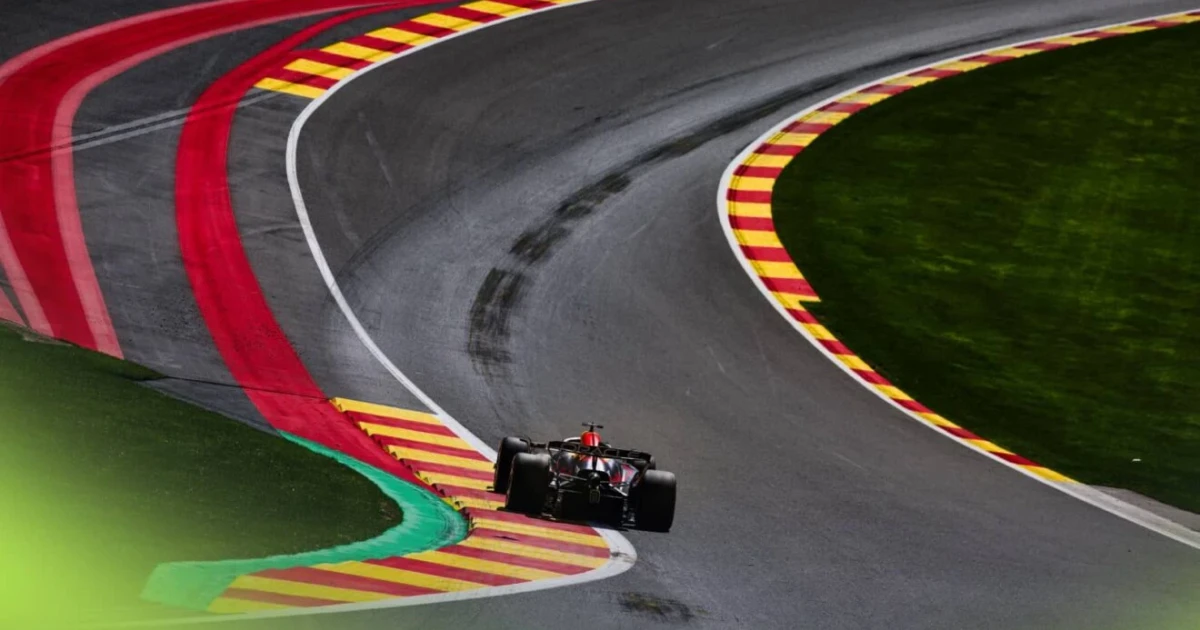
Spa-Francorchamps may become a harsher test for Formula 1’s next generation of cars as the FIA’s 2026 technical rules strip away much of the grip and efficiency that make the Belgian circuit so demanding. The regulations were approved by the World Motor Sport Council on 21 June 2024 and published by the FIA three days later, setting up a major reset for chassis and aerodynamics.
The headline aim is to make the cars smaller, lighter and more agile, but the numbers point to a very different feel on track. Teams and rule explainers have described a reduction of roughly 25% in downforce, while drag is also expected to fall sharply, with some summaries putting the cut at up to 40%. That combination should change how the cars accelerate, corner and follow one another, but it also removes some of the planted stability drivers rely on through high-speed sections.
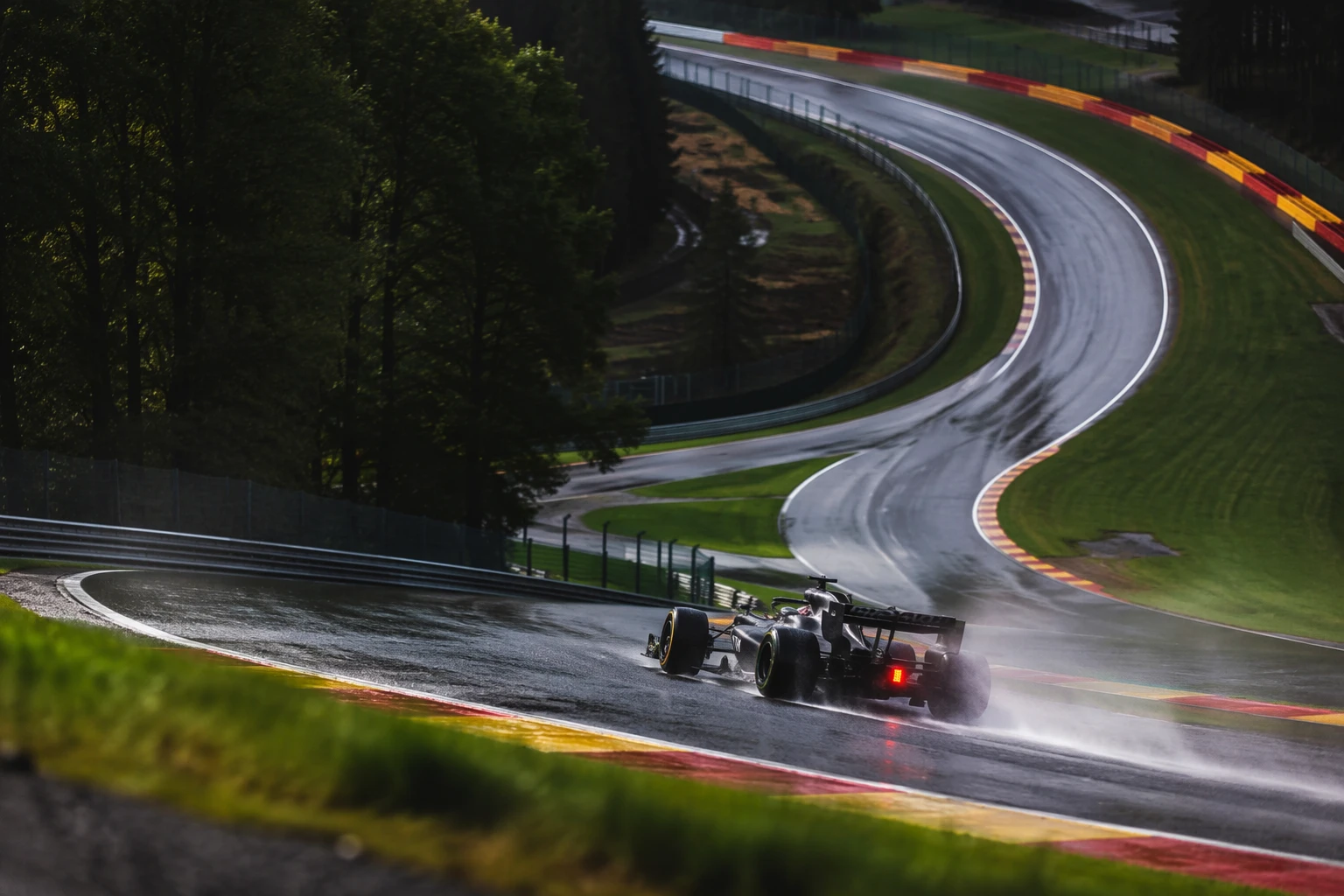
That is why Spa matters so much. At one of the longest circuits on the Formula 1 calendar, speed is built through commitment and efficient aerodynamics, not just power on the straights. Eau Rouge, Raidillon and Pouhon reward a car that can stay settled at extreme load through rapid direction changes and long, loaded corners. If the 2026 package is less stable at the limit, those sections will expose it immediately in lap time, confidence and spectacle.
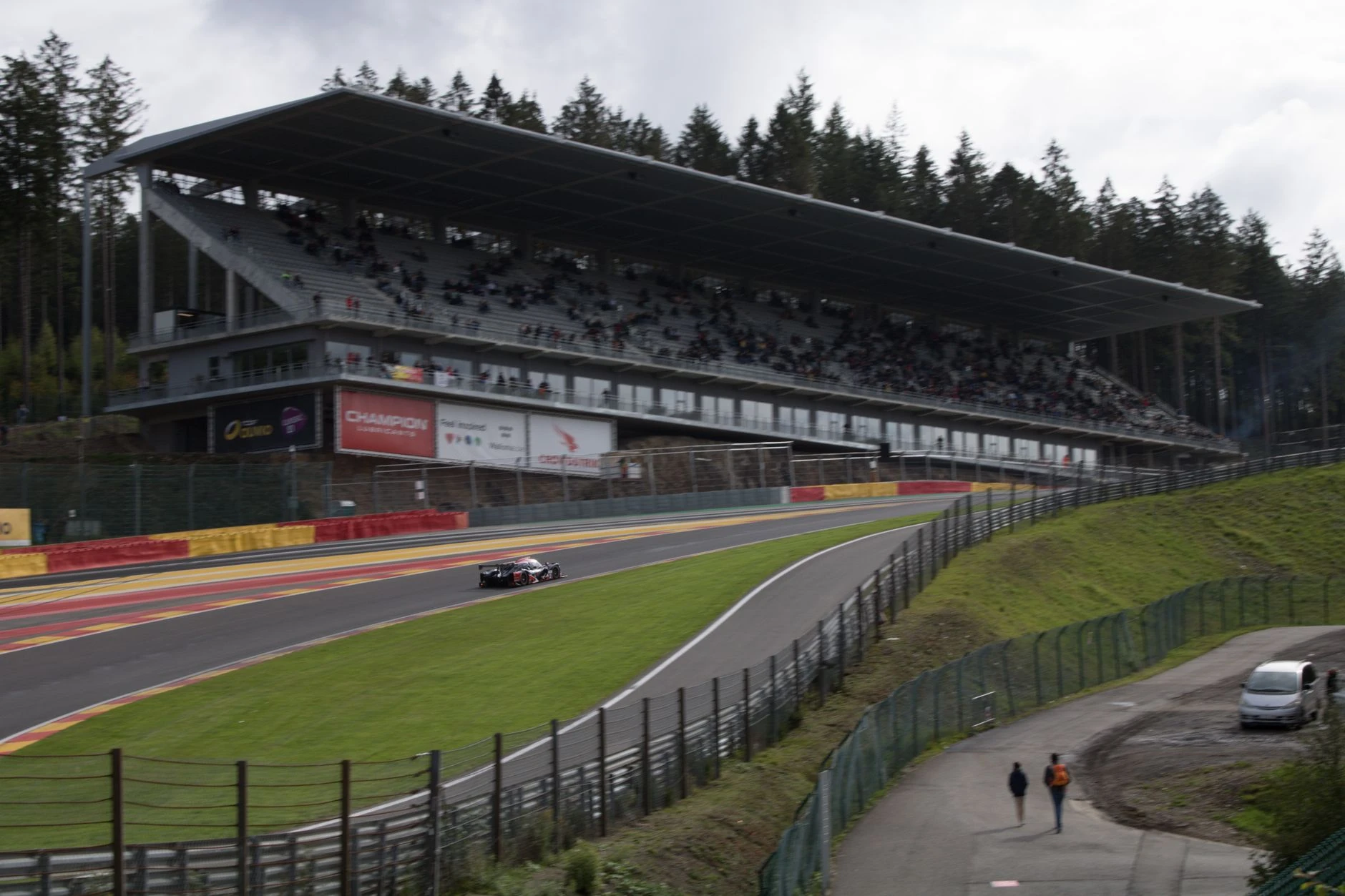
The new rules also add active aerodynamic modes, commonly called X-mode and Z-mode, alongside a revised power-unit approach that changes how much electric power is used at speed. At Spa, that detail could matter as much as the headline aero cuts. One recent analysis of the circuit’s demands said the cars will not be deploying electric power for a large part of a lap there, a sign that the shape of the track may blunt some of the gains the rules are meant to deliver.
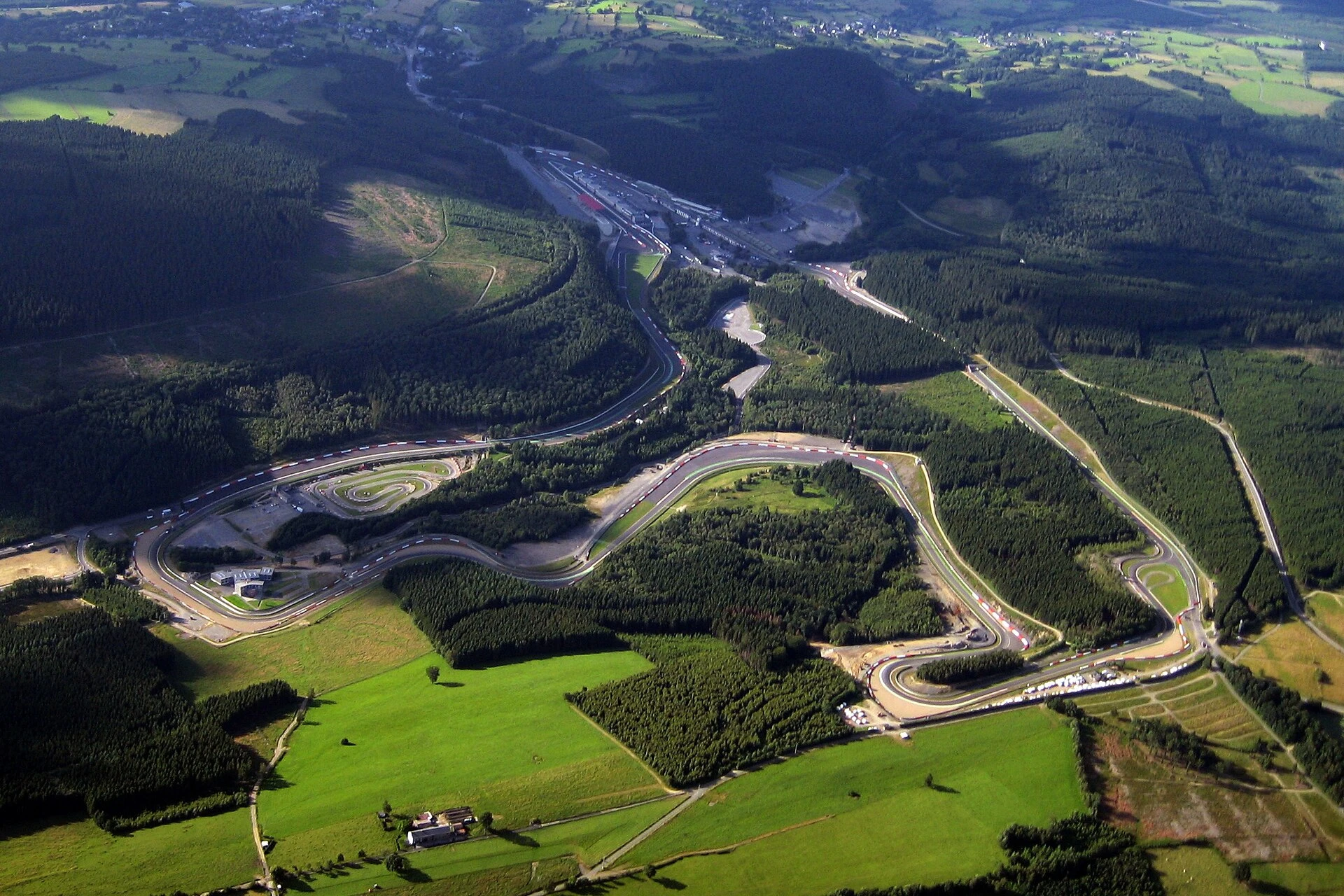
Drivers have already reacted sharply to the direction of travel. Lando Norris has likened the 2026 cars to Formula 2 machinery, while Max Verstappen has publicly criticized the concept. That criticism carries extra weight at Spa, a circuit that dates back to the 1920s and remains one of Formula 1’s most iconic venues. On a track that has long served as a benchmark for what modern grand prix cars should be able to do, the first impression of the 2026 era may be that the sport has traded some of its sharpest edge for a more regulated form of racing.
Sources
- [1]arstechnica.com
- [2]fia.com
- [3]formula1.com
- [4]williamsf1.com
- [5]nytimes.com
- [6]autosport.com
- [7]the-race.com