Technology
FAA awards $875 million contract for software to ease flight delays
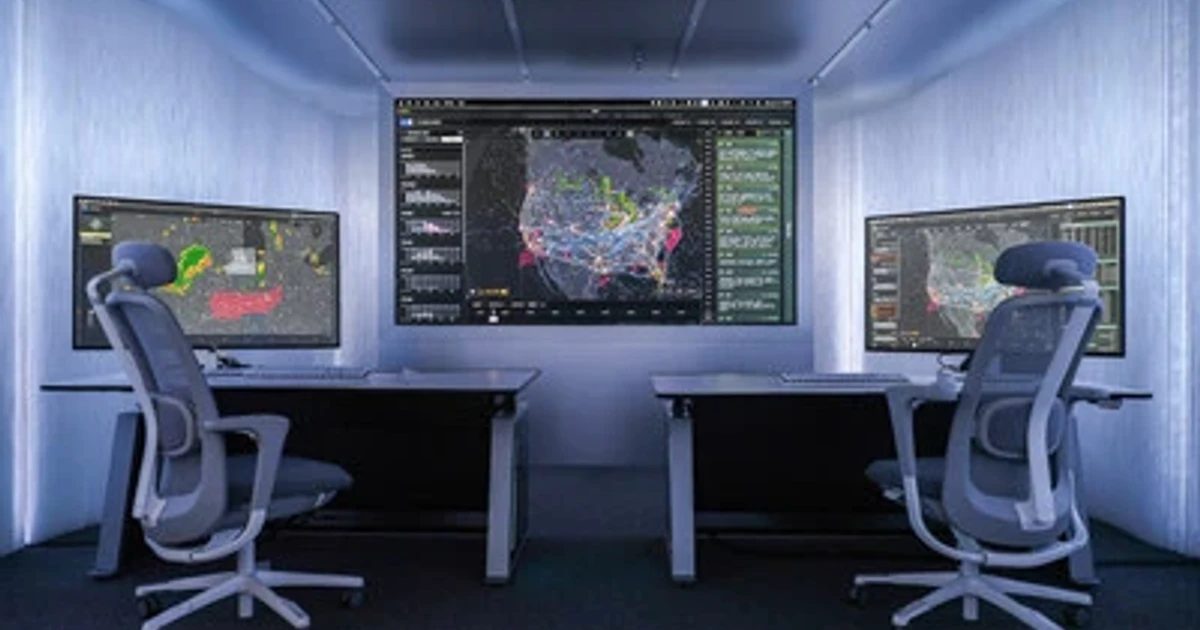
The real test of the FAA’s new $875 million software contract is simple: will it cut delays and missed connections before passengers reach the gate? The agency says the 12-year deal with Air Space Intelligence is meant to do exactly that by helping officials spot trouble earlier, predict where airspace conflicts will emerge and move traffic more strategically rather than scrambling after bottlenecks have already formed.
The platform, called Strategic Management of Airspace, Routes, and Trajectories, or SMART, is designed to feed on airline schedules, weather, airport capacity, airspace conditions and other operational limits. FAA officials say it will sit inside the Flow Management Data and Services platform, which is intended to become the technological backbone of the Air Traffic Control System Command Center. The goal is to determine in advance how much traffic the system can safely absorb and where routes or departures need to be adjusted before aircraft push back.
That shift comes after years of strain across the U.S. airspace system. Runway construction, severe weather, staffing shortages and persistent congestion have left major hubs vulnerable to cascading delays, and the FAA has already imposed or extended limits at some of the country’s busiest airports. Newark Liberty International Airport remains under reduced operations through October 24, 2026, with the hourly cap raised from 68 to 72 operations, and a later Federal Register notice extended those scheduling limits through October 30, 2027. Chicago O’Hare International Airport also faces summer flight cuts, with some reporting a cap of about 2,800 daily operations from May 17 through October 24, 2026.
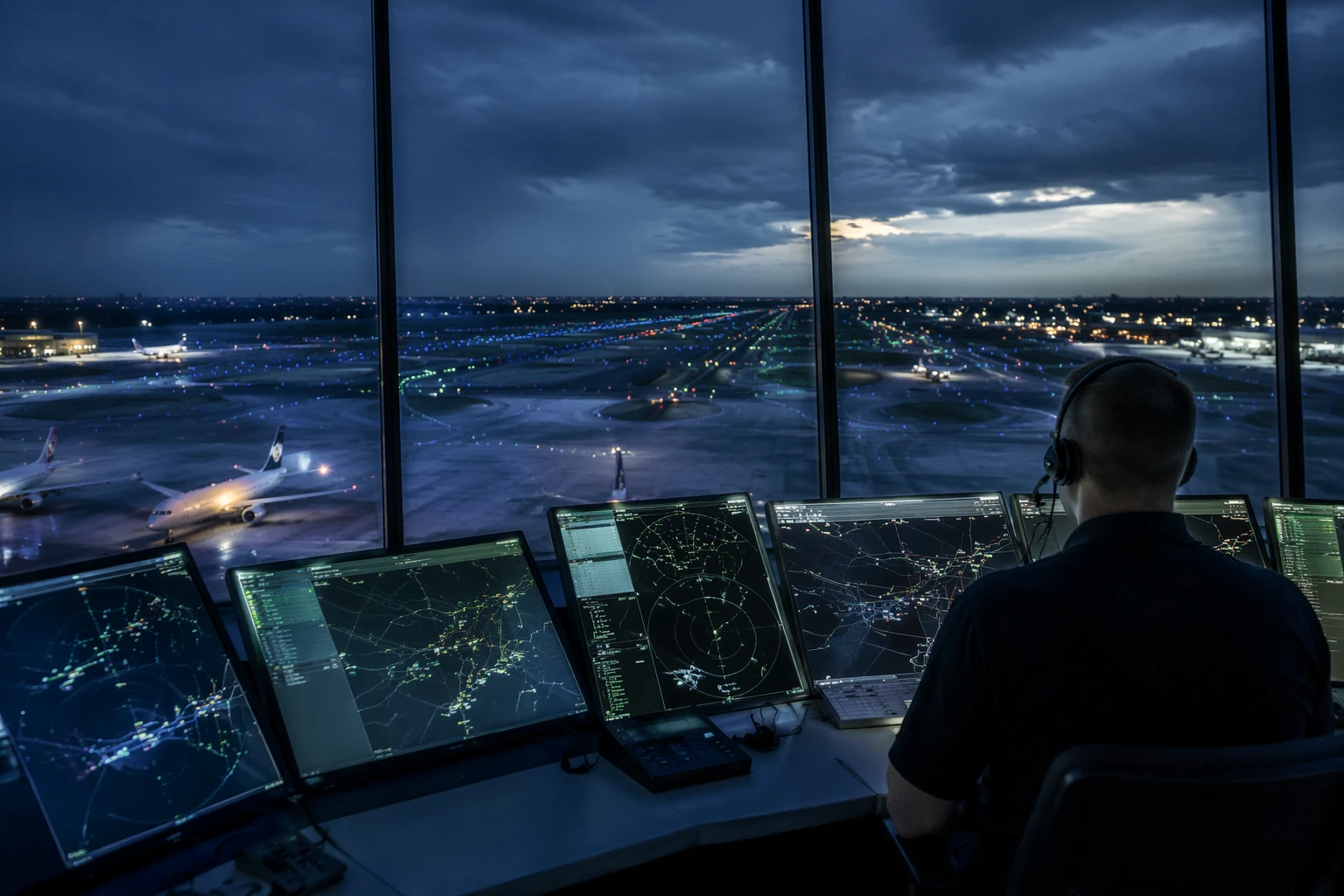
Airlines have been talking with the FAA about the program for months, but some have privately worried about how the agency will decide which flights move when schedules collide and whether the rollout can happen as soon as this fall. Those questions matter because the FAA is trying to modernize on two tracks at once: it says it wants a brand-new air traffic control system by the end of 2028, and it has been pushing short-term fixes to keep the network moving in the meantime. In 2025, flight-delay minutes caused by equipment issues were about 300 percent higher than the average from 2010 through 2024.
The broader stakes are high. Congress approved $12.5 billion last year to replace outdated technology and modernize understaffed towers, and the Transportation Department is seeking another $10 billion. Sean P. Duffy said the new program could fundamentally reshape airspace management and slash thousands of delays and cancellations, while Airlines for America says delays already cost travelers and airlines billions of dollars. Air Space Intelligence says its Flyways AI platform already gives users a 4D lookahead on airspace conditions, and industry coverage says its technology manages more than 40 percent of U.S. air traffic. The FAA’s judgment will now be measured less by the promise of smarter software than by whether passengers see fewer disruptions the next time weather, staffing and congestion collide.
Sources
- [1]usnews.com
- [2]faa.gov
- [3]transportation.gov
- [4]gao.gov
- [5]airlines.org
- [6]airspace-intelligence.com
- [7]theaircurrent.com
- [8]flyingmag.com