US News
FAA extends New York airport flight limits through 2028
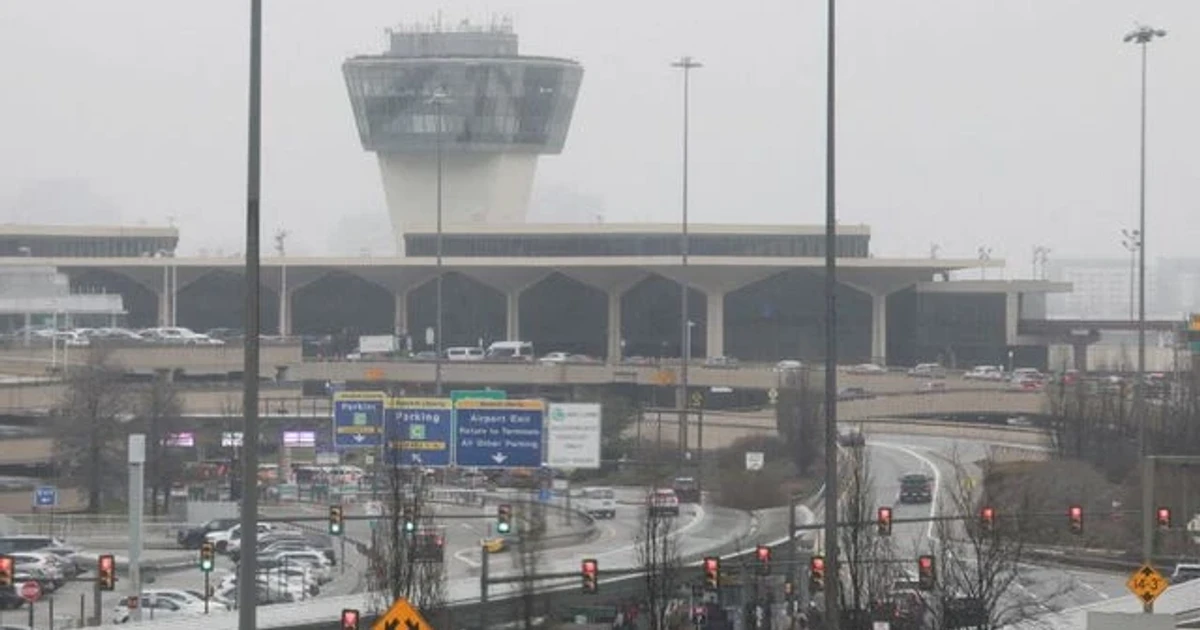
Airlines flying into New York’s three major airports will keep operating under hard FAA limits for years, a sign that travelers in the nation’s busiest air corridor are still exposed to delayed departures, tighter schedules and fewer recovery options when the system slips. The agency extended Newark Liberty International Airport’s cap through summer 2027 and pushed restrictions at John F. Kennedy International Airport and LaGuardia Airport through late October 2028, while also prolonging relief that lets carriers at slot-controlled airports fly 10% fewer flights without losing takeoff and landing rights through late 2027.
For passengers, the immediate effect is not more flights but a more constrained schedule that the FAA says is necessary to reduce congestion and protect the broader network from ripple effects. The tradeoff is clear: when airlines cannot add flights freely, peak-hour seats remain scarce, rebooking options narrow after delays, and fares can stay firm on the most crowded routes. The FAA’s own reasoning points to a system that still cannot absorb normal demand without widespread disruption.
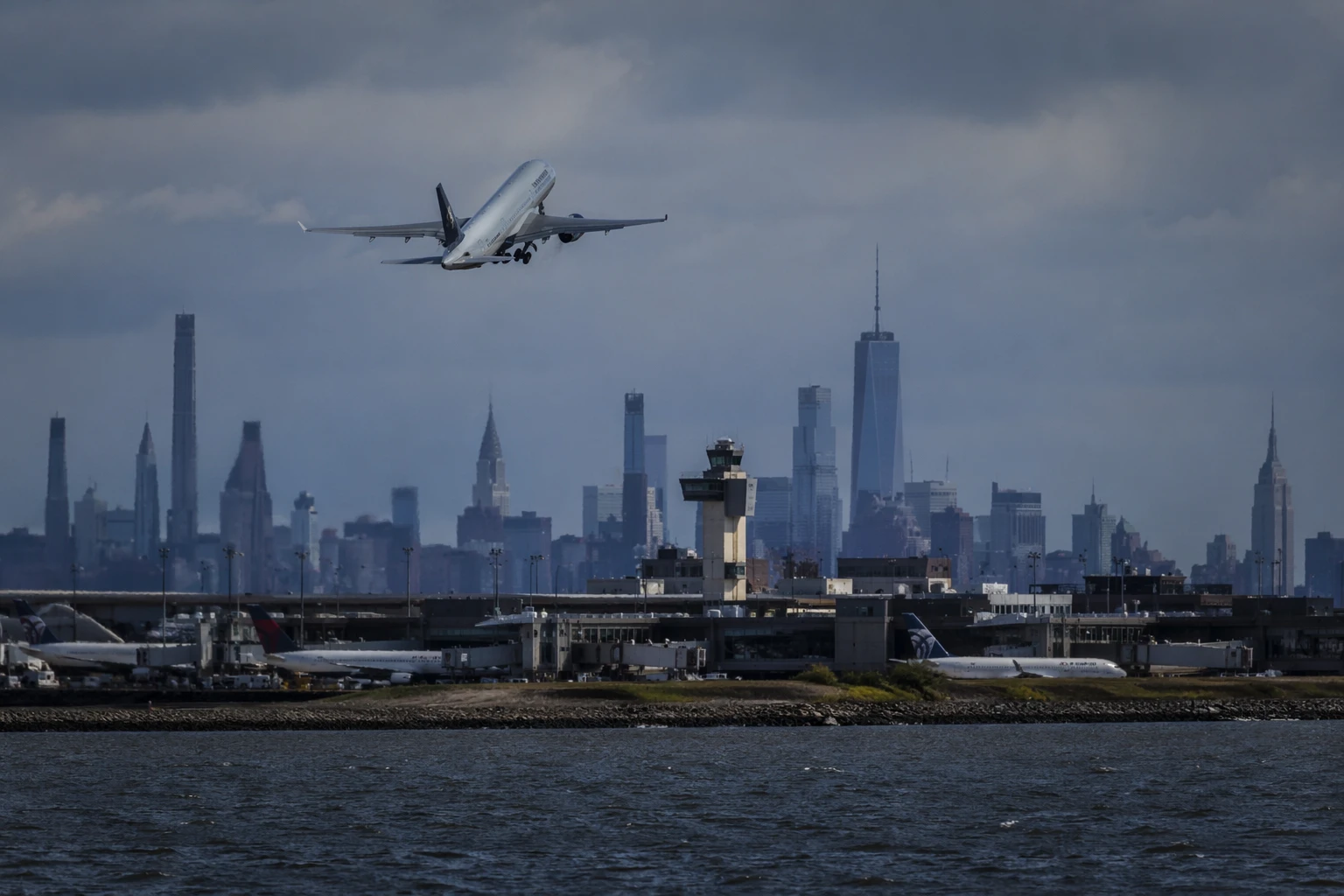
Newark sits at the center of that calculation. The airport suffered major disruptions in May 2025 that snarled hundreds of flights, and FAA filings said staffing deficiencies there would not significantly improve before October 2027. The agency had already extended Newark’s limits in September 2025 through October 24, 2026 and raised the hourly cap from 68 to 72 operations, citing staffing and equipment challenges along with weekend construction closures on Runway 4L-22R.
The pressure is broader than one airport. In its July 2025 waiver notice, the FAA said New York Terminal Radar Approach Control, known as N90, handles overhead Northeast corridor flights and traffic to JFK and LaGuardia, where the close proximity of major airports makes congestion especially hard to unwind. The agency said N90 must reach at least 70% of its targeted number of onboard Certified Professional Controllers before air traffic control conditions improve enough to end staffing-related relief. Prior filings said certified controllers at the New York Area Terminal Radar Approach Control were at just 57% of target levels.
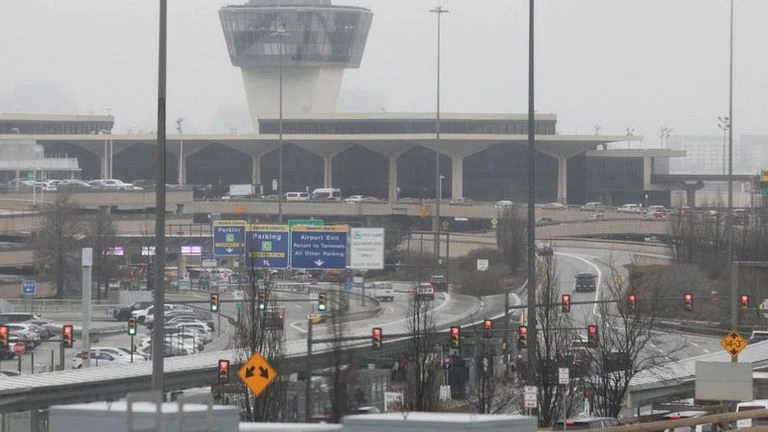
The shortage extends into the wider region. FAA said Philadelphia TRACON Area C, which directs aircraft in and out of Newark, had 22 fully certified controllers and five certified supervisors, with 27 more personnel in training, as of September 2025. Persistent shortages have forced mandatory overtime and six-day workweeks at many facilities, turning what began as a temporary workaround into a chronic operating limit.
FAA’s Air Traffic Controller Workforce Plan 2026-2028, published June 1, says the agency is trying to grow, optimize and modernize the controller workforce over the next three years. Its earlier workforce plan said the controller workforce reached 14,264 in fiscal 2024, after the FAA hired 1,811 new controllers that year. Until those gaps close, New York’s flight limits will remain a measure of how much traffic the system can actually handle.
Sources
- [1]usnews.com
- [2]faa.gov
- [3]panynj.gov