Business
FAA lets Boeing resume self-certifying some jets after scrutiny
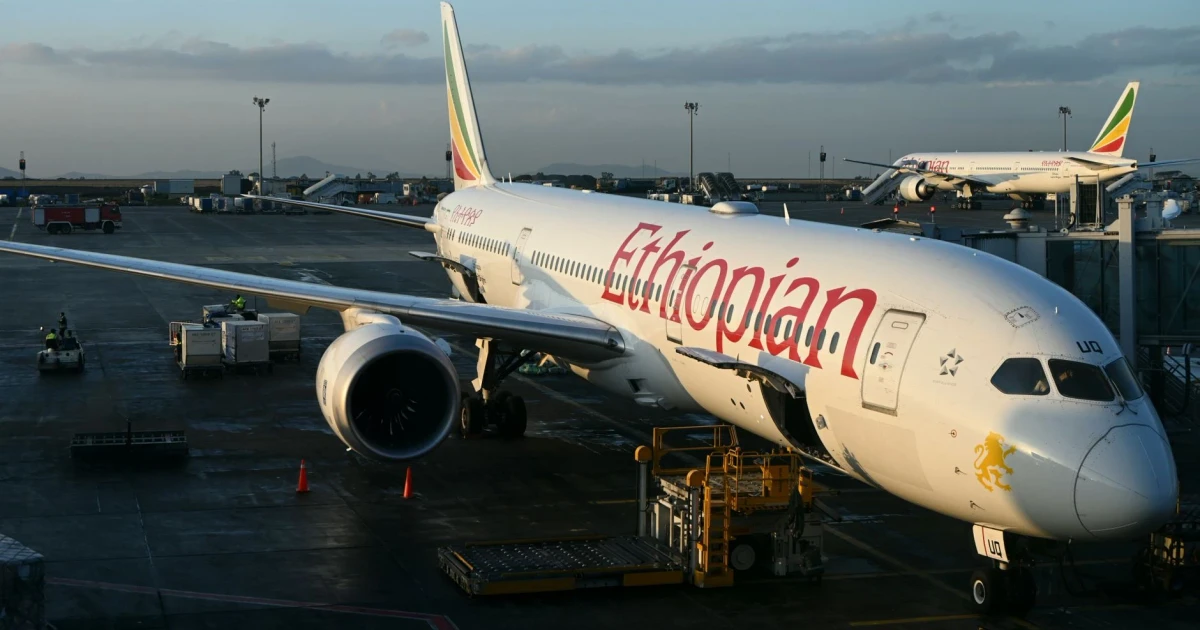
The FAA moved to let Boeing resume self-certifying some 737 MAX and 787 aircraft, a sharp reversal that turns the spotlight back on whether the company has earned enough trust to handle airworthiness approvals inside its own walls. The authority is set to return the week of July 21, 2026, after years of tighter scrutiny over Boeing’s safety culture, manufacturing discipline and documentation.
The decision matters because self-certification, or delegated authority, is supposed to speed routine approvals only when regulators believe a manufacturer’s own staff will follow the rules and flag defects honestly. Boeing lost much of that confidence after the January 5, 2024 Alaska Airlines Flight 1282 door-plug failure, which forced an emergency landing and revived concerns about quality control across the company’s production lines. The FAA kept some delegated authority in its own hands after that incident, rather than relying as heavily on Boeing’s internal sign-off.
Boeing’s return to limited self-certification covers some 737 MAX and 787 planes, two of its most closely watched models. The change follows months of review and comes alongside a broader regulatory reset. On May 29, 2025, the FAA extended Boeing’s regulatory delegation program by three years, and on June 25, 2026, it proposed changes meant to speed certification of new commercial aircraft. Together, those steps suggest regulators are trying to separate day-to-day production oversight from the deeper question of whether Boeing has rebuilt a credible safety system.
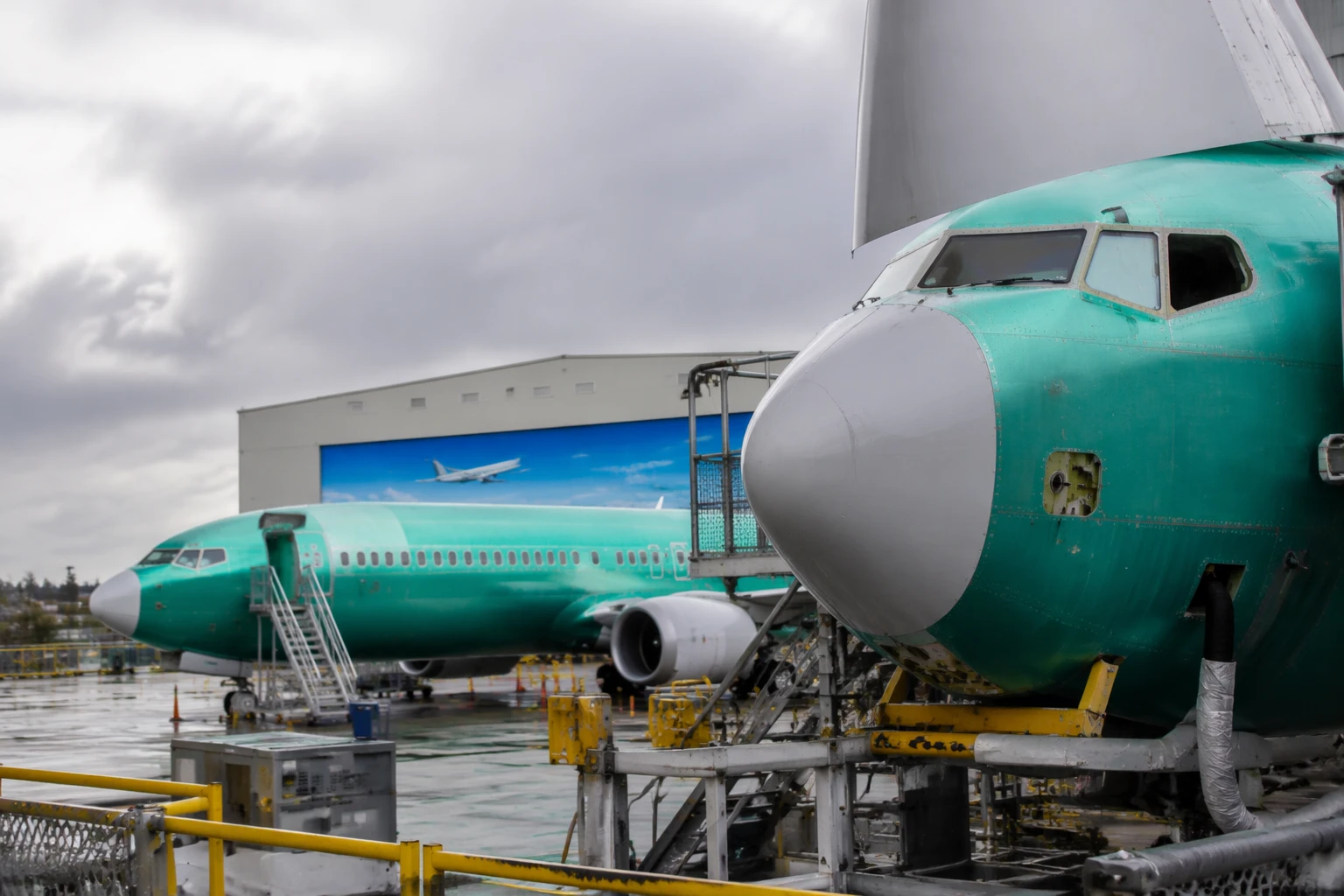
The stakes are practical as well as reputational. Airlines and aircraft lessors want steadier delivery schedules and fewer bottlenecks. Investors want Boeing to stabilize output and reduce delays that have lingered since the 737 MAX crises and a series of later production problems. Safety advocates, however, are likely to see the move as a test of how much reform Boeing has actually completed, not just how much it has promised.
Congress has already pressed Boeing on the issue. In a June 12, 2024 letter after the Flight 1282 door-panel failure, Sen. Chuck Grassley said seven passengers and one flight attendant sustained only minor injuries, warning that the outcome could have been far worse. That episode hardened doubts about whether Boeing had fixed the deeper problems that allowed a single failure to escalate into a national aviation scare.
Boeing was also nearing another milestone: on July 16, 2026, the FAA was close to approving a 737 MAX anti-ice fix that would pave the way for deliveries. For Boeing, the return of self-certification is not a clean bill of health. It is a limited restoration of trust, and the FAA is still the one setting the terms.
Sources
- [1]apnews.com
- [2]reuters.com
- [3]grassley.senate.gov
- [4]faa.gov
- [5]oig.dot.gov