Business
FAA restores Boeing certification authority for 737 MAX, 787 planes
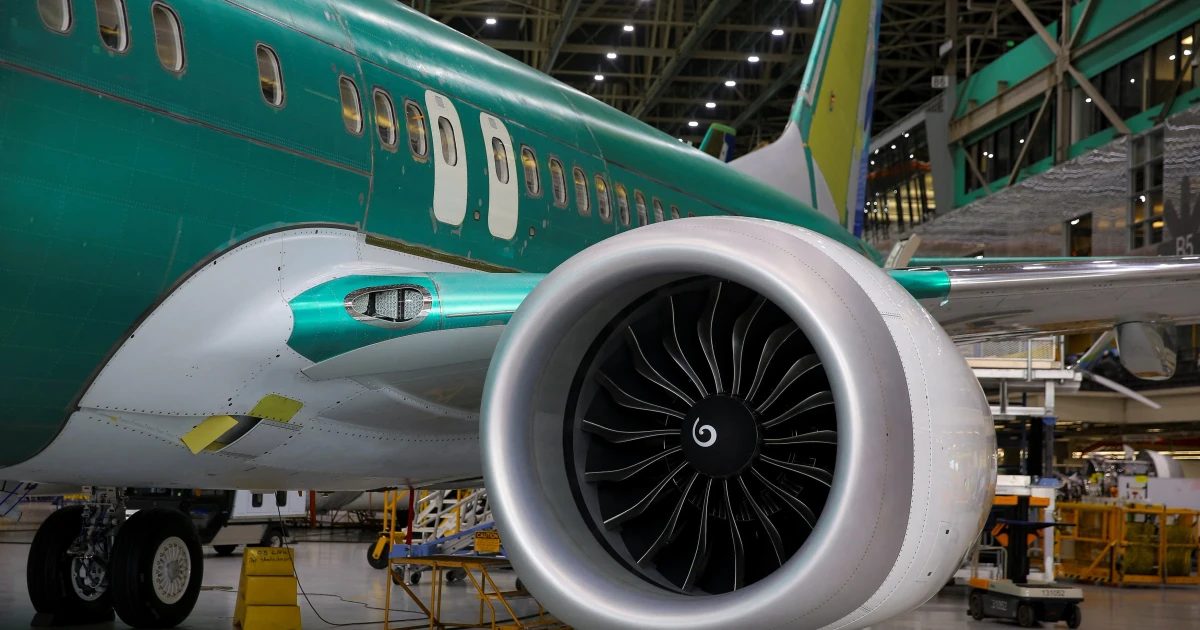
The Federal Aviation Administration restored a key slice of Boeing’s certification power by letting the company issue airworthiness certificates for all 737 MAX and 787 airplanes starting next week, a sign that regulators saw enough progress in Boeing’s safety and quality controls to loosen direct control.
The FAA also renewed Boeing’s Organization Designation Authorization for three years, effective June 1, 2025, after reviewing the company’s production quality. That designation matters because it allows Boeing to perform certain certification work on the agency’s behalf, but under FAA oversight rather than as a free handover of authority.
The move was a partial restoration, not a return to the old system. Boeing had already lost delegated authority to issue airworthiness certification for completed 787 aircraft in 2022, after regulators pressed for improvements. The 737 MAX, meanwhile, was grounded worldwide after two fatal crashes in 2018 and 2019 that shook confidence in Boeing’s manufacturing practices and in the FAA’s own delegation process.
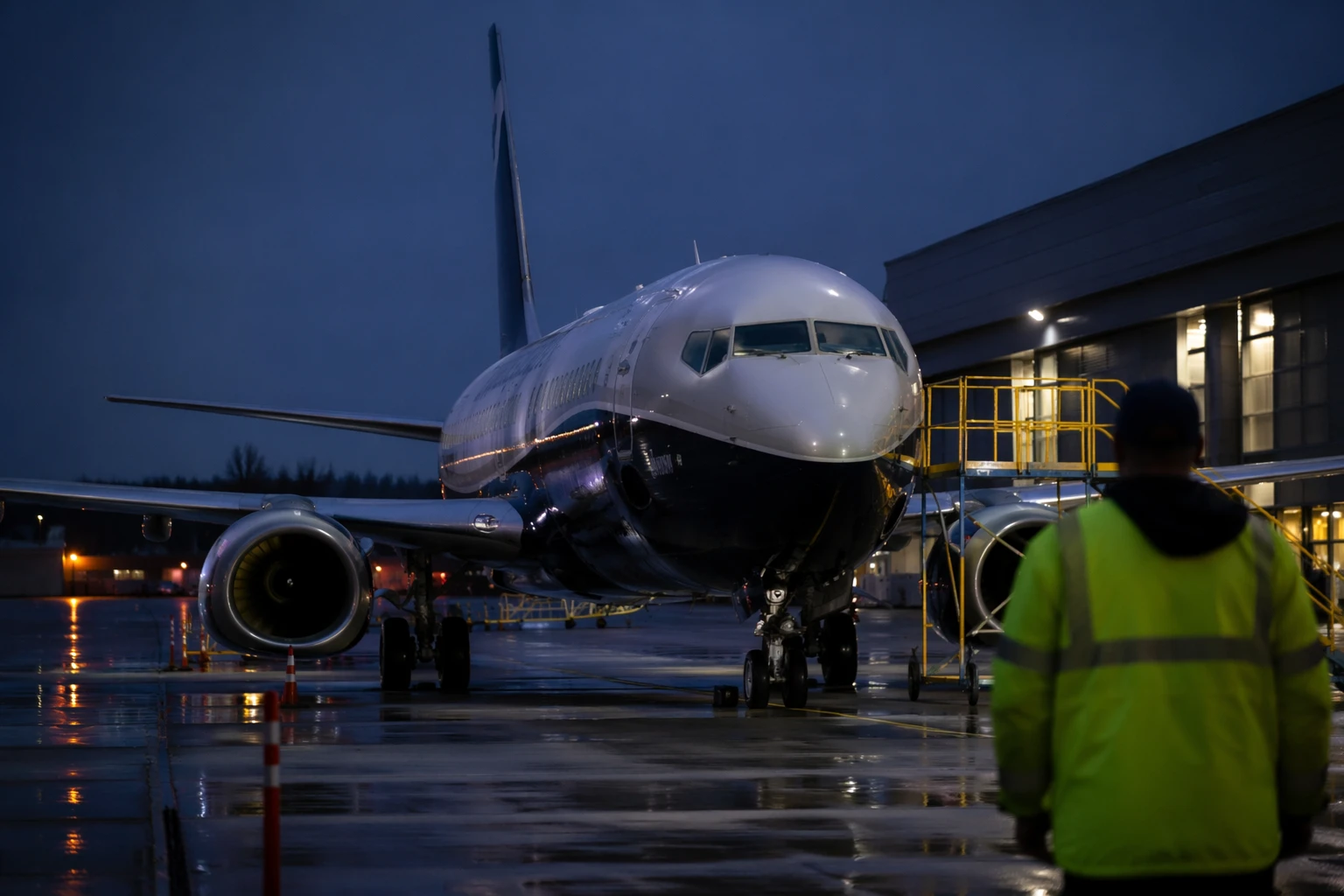
The certification step did not erase the broader constraints still hanging over the company. On June 4, 2025, the FAA said it was not considering lifting Boeing’s 737 MAX production cap, underscoring that output remains under pressure even as some certification work moves back inside Boeing. The agency still retains the power to intervene, audit Boeing’s processes and reverse course if quality problems reappear.
For Boeing, the timing matters because faster certification can reduce bottlenecks and help deliveries move more smoothly. For airlines waiting on aircraft, the practical benefit is narrower: Boeing can handle more of the certification work itself, but that alone does not mean more airplanes leave the factory immediately. The FAA’s message is more measured than sweeping, reflecting cautious trust rather than a full reset.
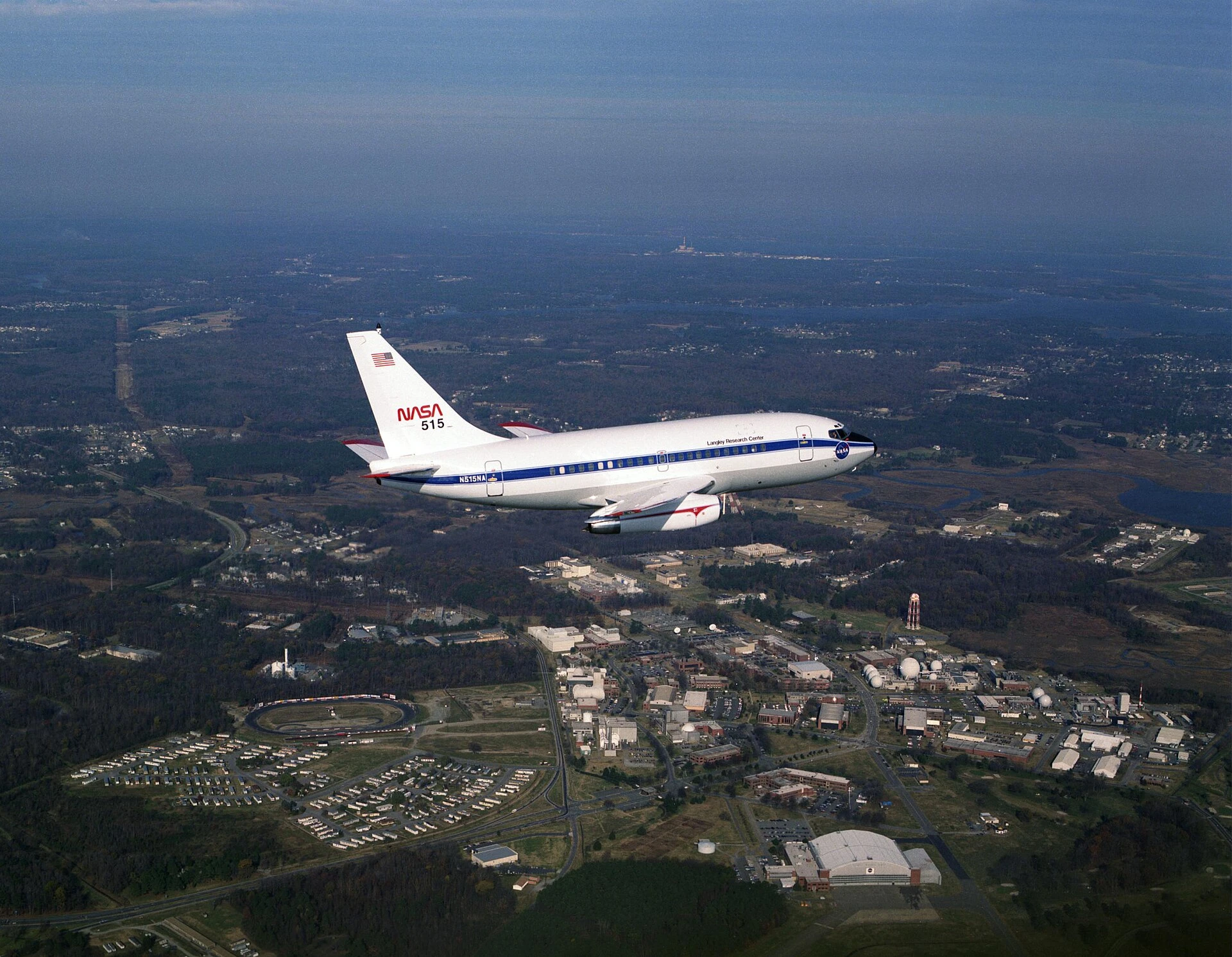
That caution fits the history. The U.S. Department of Transportation Office of Inspector General previously found weaknesses in FAA certification and delegation processes that hindered oversight of the 737 MAX 8, reinforcing how much scrutiny surrounded Boeing’s recovery. The latest decision suggests the regulator believes Boeing has met a higher bar on production quality, but it also leaves the company under close supervision as it tries to prove the fixes hold.
Sources
- [1]reuters.com
- [2]aol.com
- [3]congress.gov
- [4]oig.dot.gov
- [5]faa.gov