Technology
Facial recognition smart locks promise hands-free home entry, privacy concerns remain

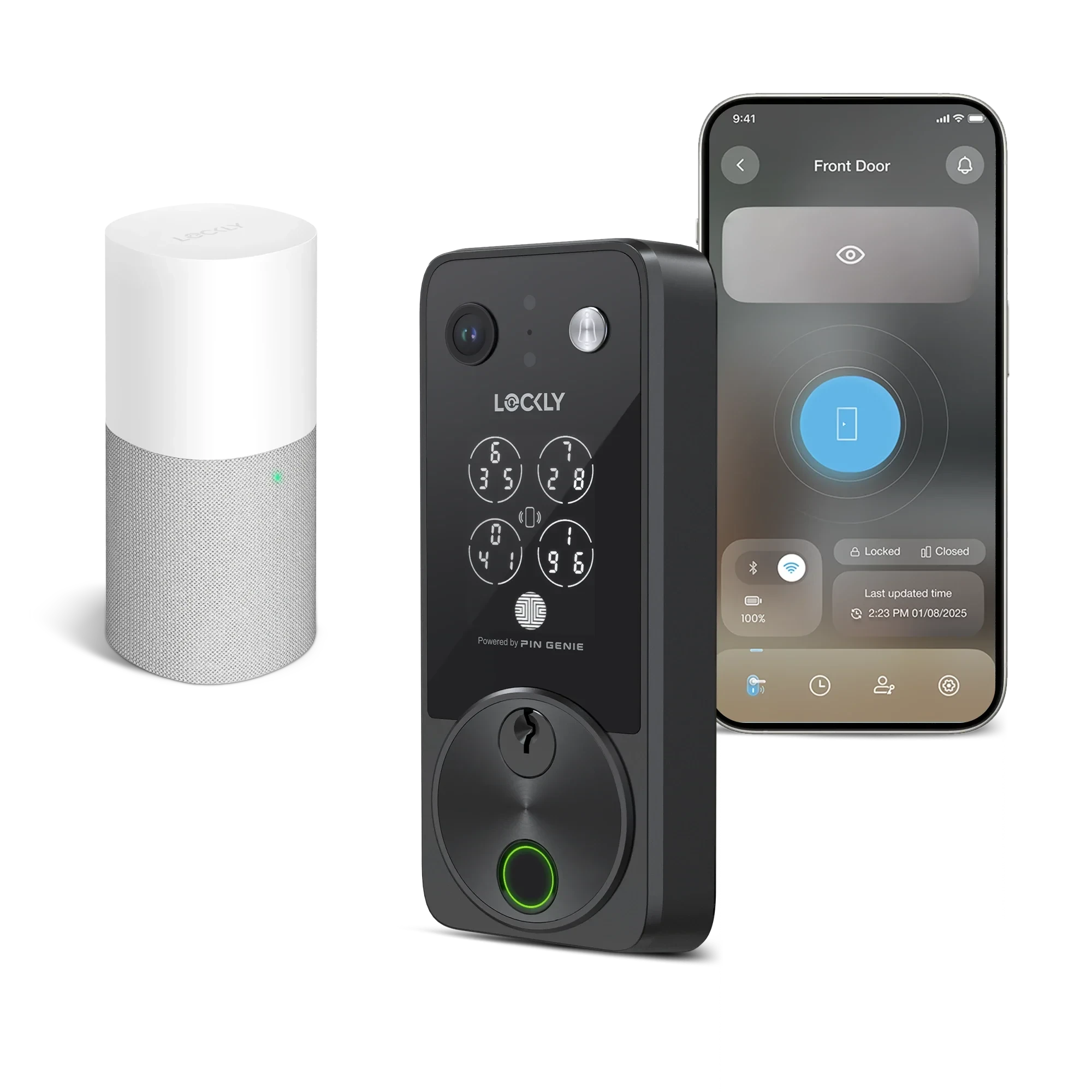
Lockly’s Visage smart lock reads your face, connects over Wi‑Fi, and opens without a free hand. The real test is whether facial-recognition locks can earn trust as much as they deliver convenience. That sounds elegant until you ask where the biometric data goes, how often the system misreads a face, and what happens if the camera, battery, or network does not cooperate.
The convenience pitch is real, and the price is not trivial
Lockly brought the category into the mainstream conversation at CES 2024 with the Visage smart lock, a facial-recognition lock for the front door. It was set to cost $350 when it went on sale in summer 2024, and Lockly later positioned the Visage Zeno Series as an award-winning Wi‑Fi smart lock with facial recognition and radar unlocking priced at $349.99, near the top of the smart-lock market.
SwitchBot has pushed the category further into the apartment and single-family-home market with its Lock Vision Series, which the company calls the world’s first smart deadbolt locks with 3D structured-light facial recognition. The new lock line uses facial recognition to unlock a deadbolt and supports Matter over Wi‑Fi alongside other biometric options such as palm-vein recognition and fingerprint access.
Facial recognition is being marketed as the primary way in, with other biometrics and digital controls layered on top, which raises the stakes for both reliability and privacy.
Where the promise can break down
The biggest weakness of facial-recognition entry is that it depends on a camera making a correct decision every time someone comes home. Lighting shifts, hats, glasses, beards, camera angles, battery levels, and software updates all become part of the access system, which is a very different proposition from a mechanical key or even a simple code pad.
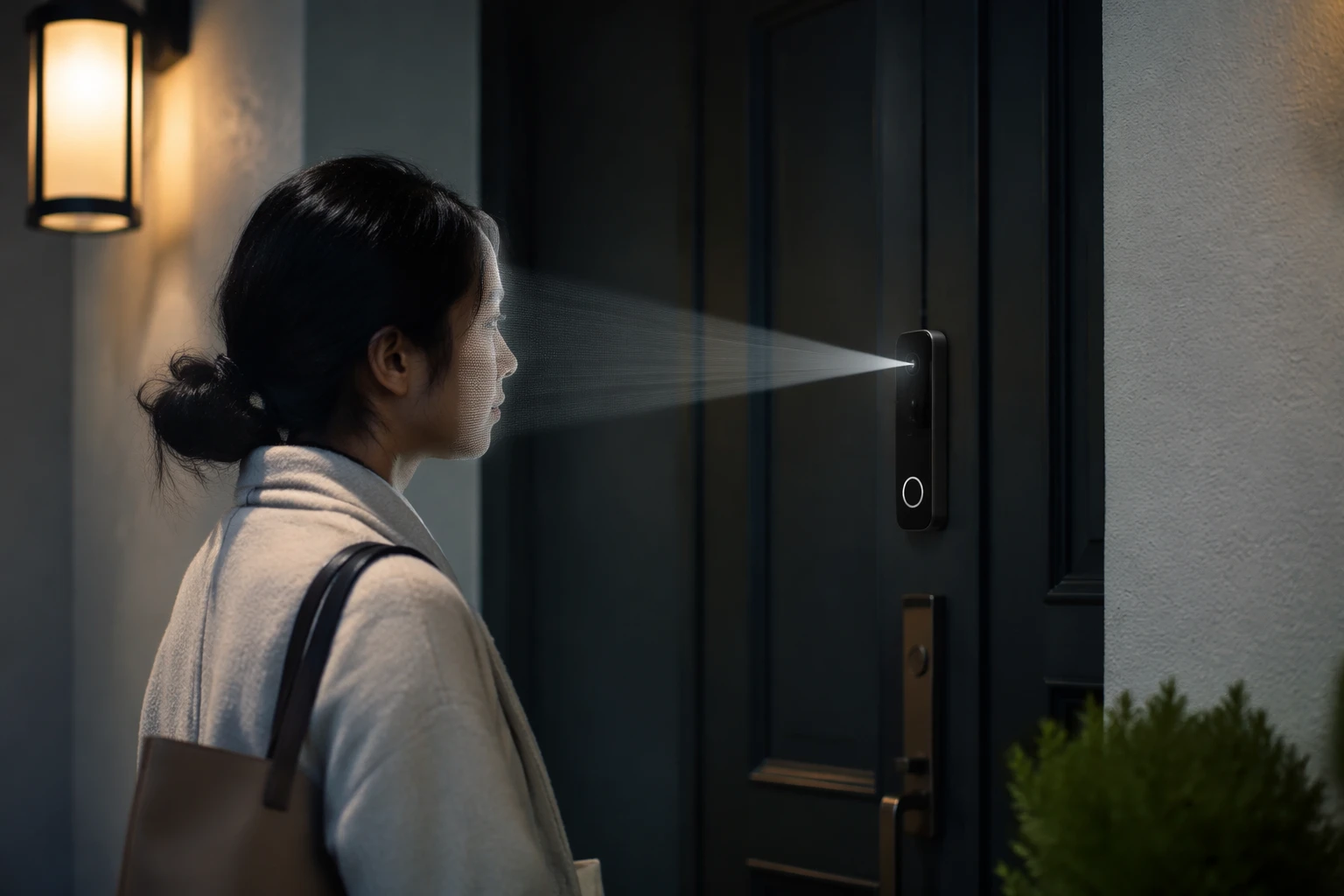
Product pages promise depth sensing, infrared assistance, and liveness detection. Lockly’s Visage materials emphasize radar unlocking and facial recognition, while SwitchBot’s newer models highlight 3D face recognition and anti-spoofing features, but buyers should treat those as claims until they can see independent testing and clear explanations of how the system behaves in edge cases.
The practical fallback is just as important as the facial scan itself. The Visage combines facial scanning with fingerprint, PIN code, and Apple Home Key access, and SwitchBot’s newer locks add palm-vein and fingerprint entry, which means shoppers should verify that every backup method works smoothly when the face scan does not. If a lock cannot still open when the camera misfires, the convenience story collapses into a lockout risk.
Privacy concerns start at the threshold
Consumer Reports has already flagged facial recognition in home security cameras and video doorbells as a privacy issue, and that concern only intensifies when the biometric used to enter your house is the same biometric captured by the device. Face data is not just another app setting, because it links identity to place, routine, and household membership in a way that can be difficult to undo once it is stored.
That creates a set of questions consumers should ask before installing a face-unlock lock: Is the face template processed locally or sent to the cloud? How long is it retained? Who can access it? Can it be deleted completely if the lock is sold, returned, or replaced? If the answer depends on a subscription or a cloud account, the convenience bargain starts looking one-sided.
Bias is another part of the privacy conversation, because biometric systems have a long history of uneven performance across skin tones, lighting conditions, and facial features. Some retail listings for newer locks claim accuracy across all skin tones and through glasses, hats, or beards, but that language is marketing, not evidence. A buyer should want independent testing that spells out performance across race, age, facial hair, head coverings, low light, and other conditions that reflect how people actually live.
What should be demanded before buying
A facial-recognition smart lock should clear a higher bar than a basic keypad model. The safest way to approach the category is to demand details on storage, fallback access, and security standards before any face is enrolled.
Look for these basics:
• Local data handling, with biometric templates processed on the device whenever possible rather than stored only in the cloud.
• A clear deletion path, so face data can be removed without chasing customer support.
• Backup entry methods that do not depend on the camera alone, such as a physical key, PIN, fingerprint, Apple Home Key, or keypad access.
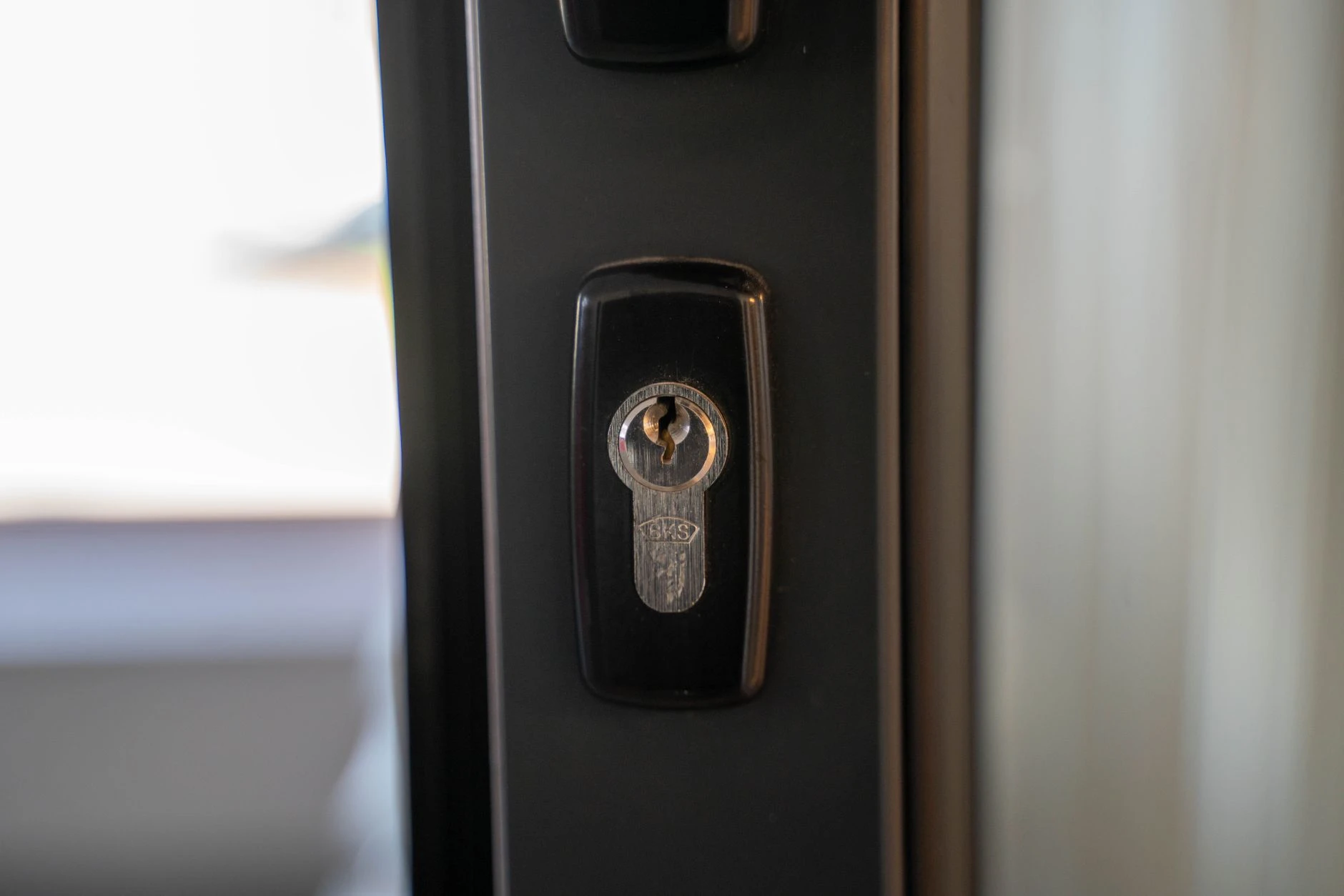
• A tested recovery plan for dead batteries, Wi‑Fi outages, and software failures.
• Evidence of security certification or evaluation, including the lock’s BHMA grade and any UL 294 or equivalent testing tied to access-control security.
• Documented firmware-update support, because a connected lock is only as resilient as its patch cycle.
• Proof that anti-spoofing and liveness detection have been independently assessed, not just advertised.
The smart-lock market goes from $2.8 billion in 2024 to $8.1 billion by 2030, and the facial-recognition door lock market reaches USD 3,314.9 million by 2030.