Science
Falcon 9 Booster Achieves Record 33rd Flight on Starlink Mission
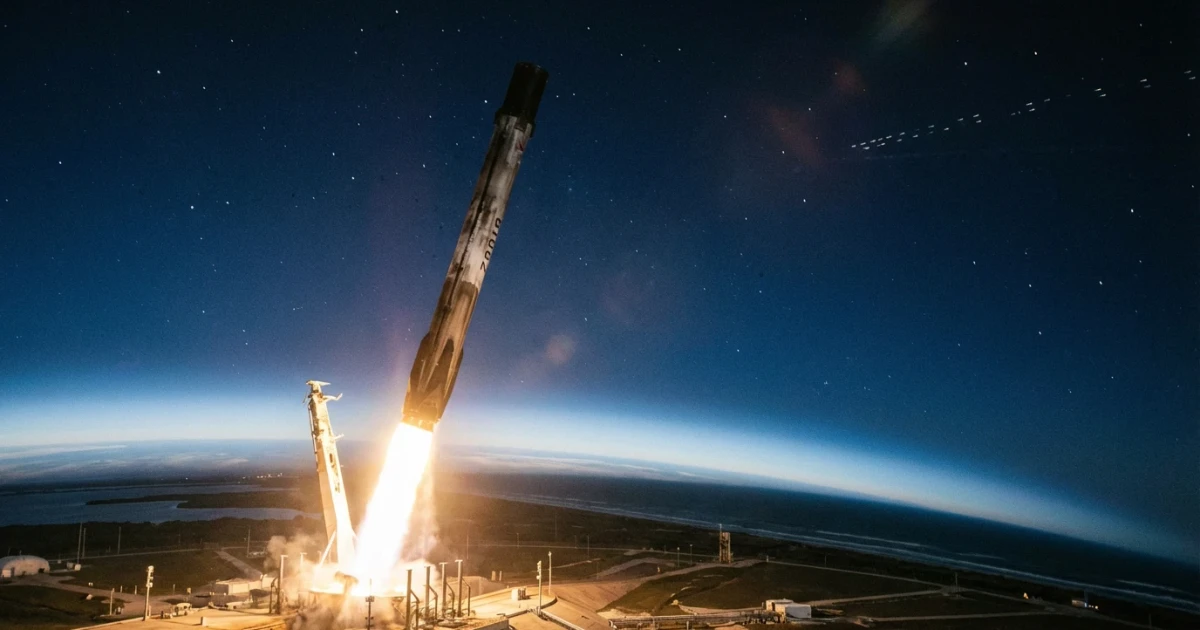
SpaceX made aerospace history again by launching its most-flown Falcon 9 rocket booster for the 33rd time, marking a new milestone in rocket reusability. The record-setting flight took place during the company's second Starlink launch of the day, underlining SpaceX's commitment to rapid, cost-effective access to space.
Booster Sets New Reuse Benchmark
The booster, designated as the most-flown in the SpaceX fleet, launched from Florida, carrying another batch of Starlink communications satellites into orbit. According to Spaceflight Now and From Space, this flight marks the first time any orbital-class rocket has reached 33 flights, surpassing its own previous record.
- 33rd launch for the same Falcon 9 first stage
- Second SpaceX Starlink mission completed in one day
- Continued push towards rapid launch cadence and cost reduction
This achievement emphasizes the reliability and durability of SpaceX's reusable booster technology, which has enabled the company to keep up an aggressive launch schedule and lower the cost of access to space.
Rapid Turnaround and Starlink Expansion
The record-breaking flight was part of a double-header, with two Starlink launches executed on the same day. Each mission deployed a fresh batch of satellites into low-Earth orbit, advancing SpaceX's ambitious plan to expand its global broadband internet constellation. The NASA launch schedule lists Starlink missions as among the most frequent in the current spaceflight roster.
- Two Starlink missions launched within less than 24 hours
- Boosts total Starlink satellites in orbit, supporting global coverage goals
- Demonstrates the Falcon 9's high-frequency launch capability
SpaceX's ability to launch, recover, and quickly reuse Falcon 9 boosters is central to its business model, which relies on frequent missions to maintain and expand the Starlink network.
Industry Impact and Future Outlook
The success of the 33rd flight signals an important leap in booster reusability reliability. Frequent re-flights of the same hardware suggest significant cost savings and operational flexibility, shifting industry expectations for launch providers worldwide. Multiple analysts have noted that SpaceX’s booster refurbishment process has matured, reducing turnaround time between flights and enabling back-to-back missions.
Industry observers expect SpaceX to continue pushing the boundaries of booster reuse. The Falcon 9 fleet’s performance is closely watched, as it sets a precedent for future launch vehicles and reusable systems. Each successful Starlink mission also brings SpaceX closer to its goal of providing affordable, high-speed internet across the globe.
Conclusion
The latest Falcon 9 milestone demonstrates not only SpaceX’s technical prowess but also the increasing normalization of rapid, repeated rocket reuse. As the company continues to launch at unprecedented rates, the space industry is entering a phase where routine, reliable orbital access is becoming an operational reality. The 33rd flight of this booster is a harbinger of even higher reuse targets—and the persistent evolution of commercial spaceflight.