Health
False Ebola claims fuel attacks on health workers in Congo outbreak
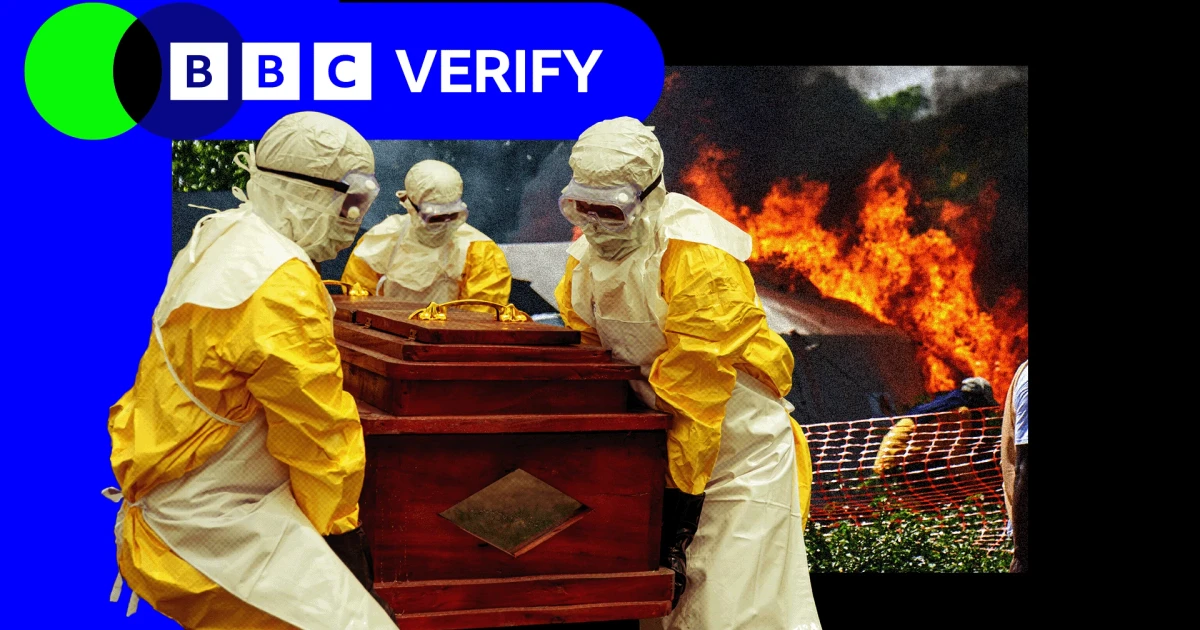
A female health worker fled men striking her with wooden planks, a man in scrubs was pelted with stones, and protesters burned hospital tents in Rwampara after relatives were blocked from taking a loved one’s body for burial. False claims about Ebola have helped fuel attacks on treatment sites, assaults on health workers and repeated interference with burial teams in the Democratic Republic of the Congo. There were 12 cases of community resistance to Ebola control measures, and seven were verified using social media footage.
The 2018-2020 Congo Ebola crisis was the world’s second largest on record and was especially hard to contain because it unfolded in an active conflict zone. The World Health Organization declared that outbreak over on 25 June 2020 after it spread through North Kivu, Ituri and South Kivu provinces. The country has had 11 Ebola outbreaks since 1976.
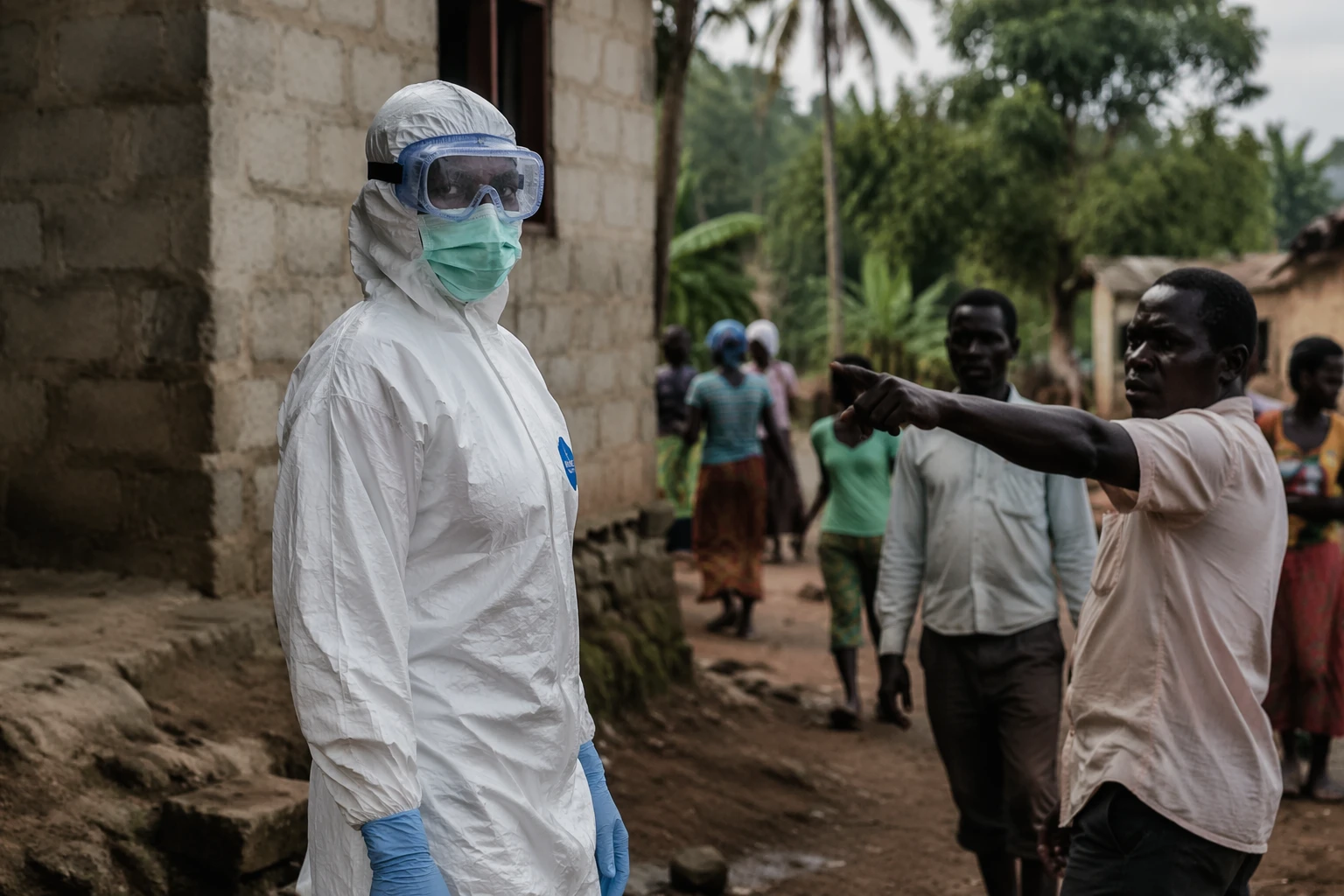
More than 450 acts of violence against health care occurred during the 2018-2020 response, at least 25 health workers were killed and 27 were abducted by armed groups. On 5 July, the European Centre for Disease Prevention and Control put the Democratic Republic of the Congo at 1,561 confirmed cases and 506 confirmed deaths, based on data through 4 July.
The United Nations banned funeral wakes involving more than 50 people in north-east Congo, while armed soldiers and police have been guarding burials carried out by health workers. Fear, rumours and deep mistrust of medical teams are driving the anger. The WHO-led Africa Infodemic Response Alliance calls this an infodemic: too much information during a public health crisis, including false or misleading material online and offline. In May 2026, the WHO confirmed a new Ebola outbreak in Congo and Uganda, in a context marked by humanitarian crisis, remoteness, dense population and insecurity.
Sources
- [1]bbc.co.uk
- [2]au.news.yahoo.com
- [3]who.int
- [4]reliefweb.int
- [5]ecdc.europa.eu
- [6]news.un.org
- [7]afro.who.int