Health
Families cancel ACA coverage as subsidy expiration drives costs higher
Families across the country began dropping Affordable Care Act coverage after enhanced premium tax credits expired at the end of 2025, turning what had been manageable monthly bills into an affordability cliff for many middle- and working-class households. KFF estimated that average subsidized Marketplace premium payments would jump from $888 in 2025 to $1,904 in 2026, a 114% increase, while a 27-year-old making $35,000 would see a benchmark silver plan rise from $1,033 a year with the credits to $2,615 without them.
The losses were not evenly spread. KFF found that 27% of the drop in sign-ups came from people with incomes between 400% and 500% of the federal poverty level, even though that group accounted for just 3% of 2025 plan selections. That exposed a narrow band of households that earned too much for the strongest protections and too little to absorb a sudden reset in prices.

The enrollment drag arrived as the 2026 open enrollment period began on November 1, 2025. By December 5, the Centers for Medicare & Medicaid Services said nearly 950,000 uninsured consumers had signed up for Marketplace coverage for 2026, but KFF later estimated average monthly effectuated enrollment could still fall to about 17.5 million people in 2026, down from 22.3 million in 2025, with some analyses projecting a drop of about 5 million overall.
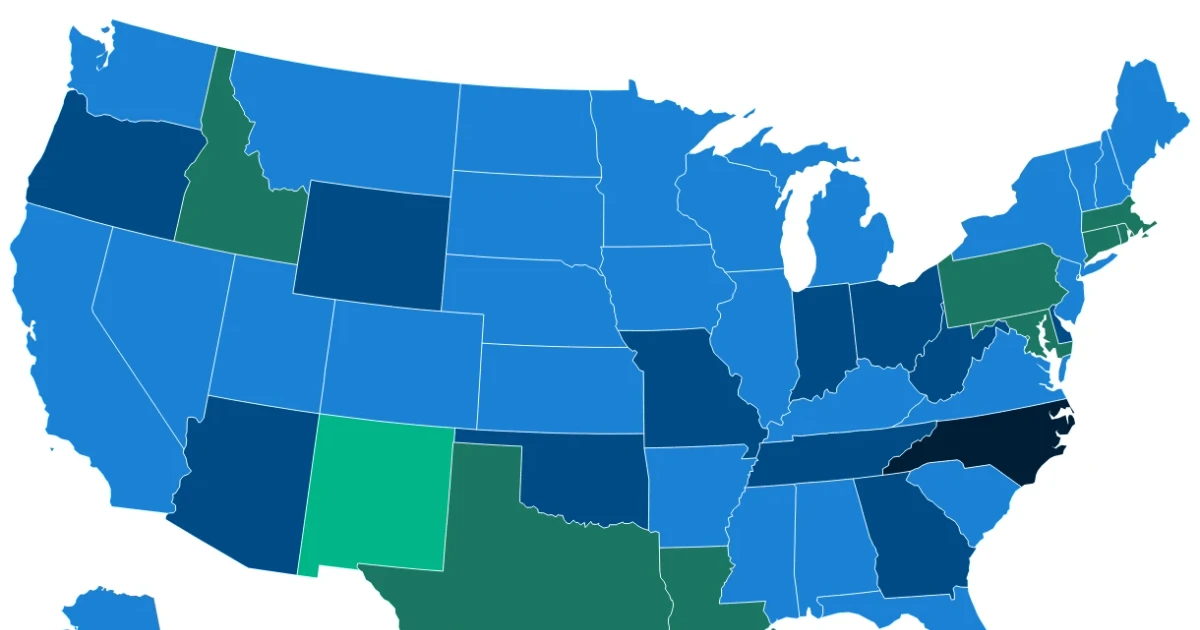
Insurers were already pushing higher rates before the subsidy lapse magnified the pressure. KFF estimated a median requested premium increase of 18% nationwide for 2026, and an average 30% increase in HealthCare.gov states. In New Mexico and in a handful of other states with backfill programs or expanded state subsidies, relief could blunt some of the damage, but KFF and other analyses said the help would be limited overall.

The long-run risk extends beyond higher premiums. KFF said enhanced subsidies had helped drive Marketplace enrollment growth among people with incomes up to 2.5 times poverty, where sign-ups rose 115% since 2020. As the credits disappeared, the market moved toward a smaller pool of healthier, higher-earning enrollees and toward more uninsured consumers or buyers forced into cheaper, higher-deductible plans. KFF’s March 2026 survey found that half of Marketplace enrollees said costs were a lot higher after the credits expired, and many expected to cut back on basic household expenses just to keep coverage.
Sources
- [1]cbsnews.com
- [2]kff.org
- [3]cms.gov