Sports
Families swap stickers to complete Panini World Cup album on a budget
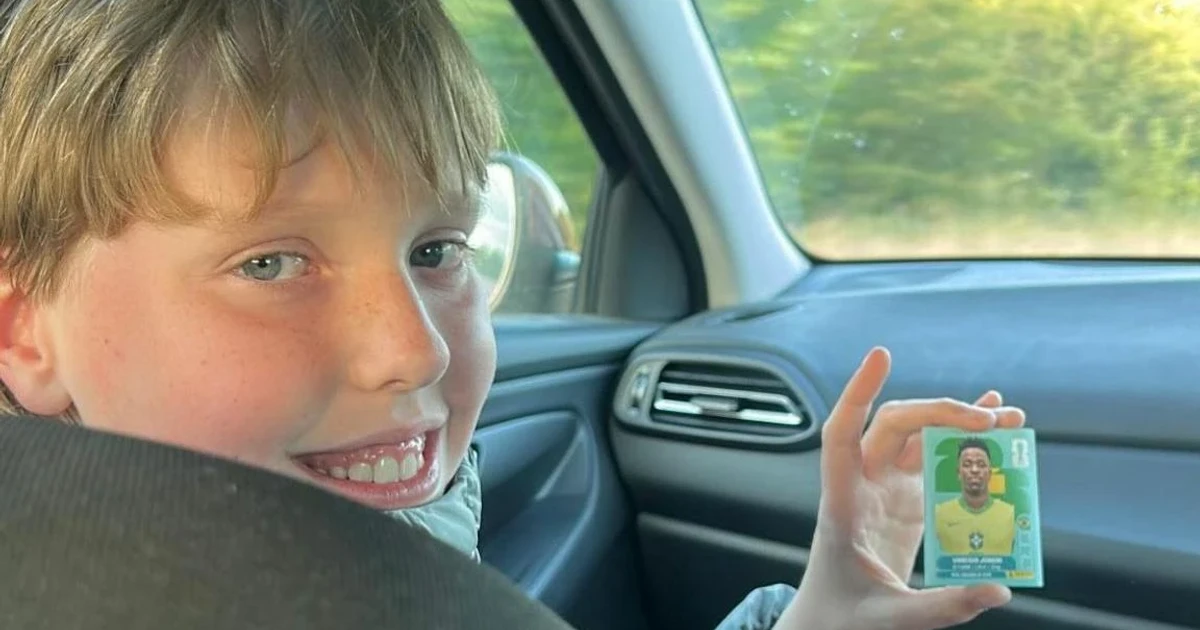
Completing Panini’s 2026 FIFA World Cup sticker album has turned into a household budget exercise. The 2026 edition is the biggest yet, with 980 stickers to collect, including 68 special edition stickers, and families are trying to finish it without treating every missing square as a fresh purchase. With a retail-only completion estimate of about £1,300 once duplicates are counted, the sticker chase has started to look less like pocket-money fun and more like a logistical side hustle.
A bigger album, a bigger household bill
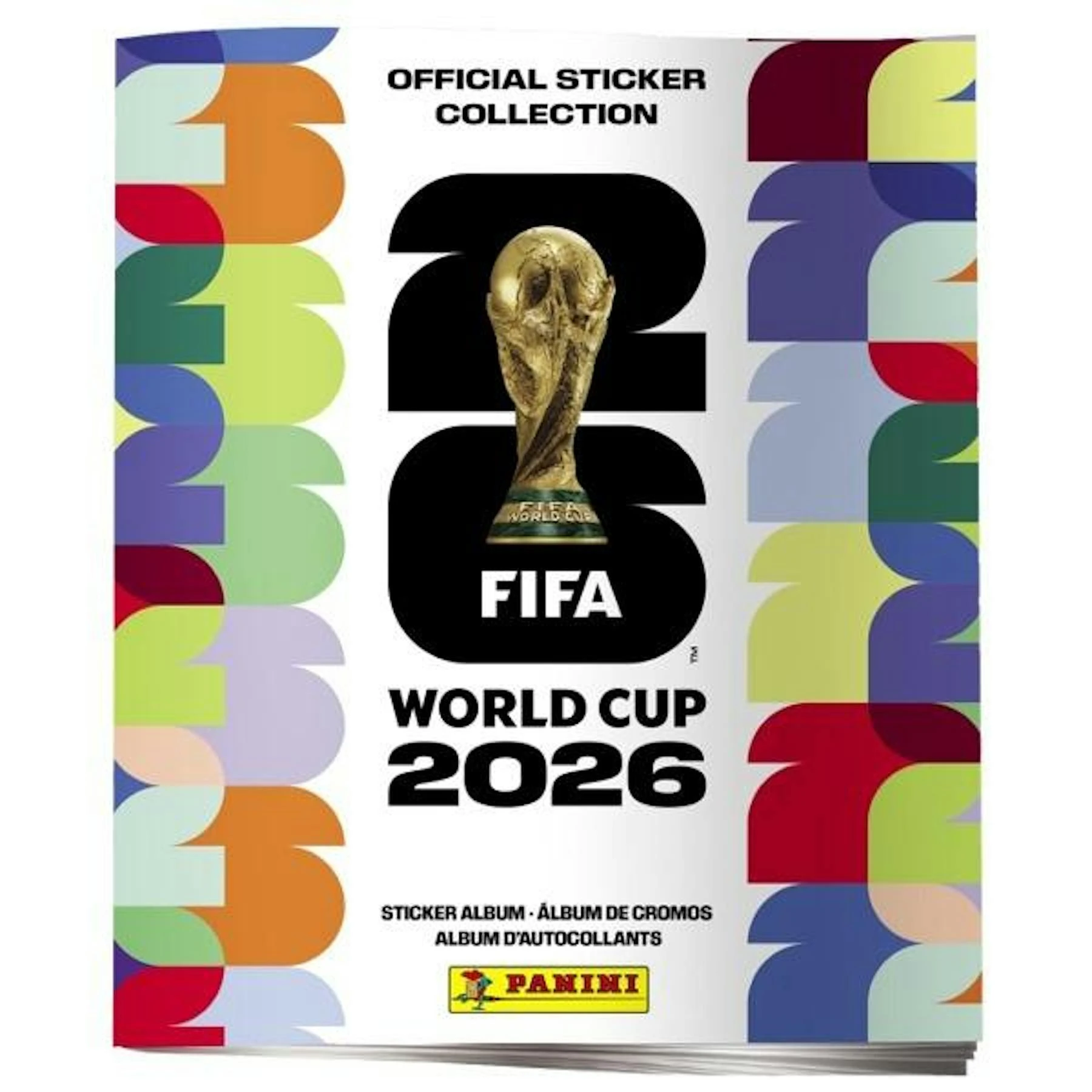
Panini officially launched the album on April 28, 2026, at Wembley Stadium in London, and the company’s UK site says the collection covers all 48 qualified teams. That scale matters because every added team, badge and special sticker increases the number of packs a family has to buy before the odds start to work against them. In practical terms, the album is no longer a quick summer distraction. It is a long-running project with a clear cost ceiling that many households are now trying to avoid.
The May 2026 estimate cited by Sports Illustrated put the retail-only price of finishing the set at roughly £1,300. That figure assumes duplicates, which is exactly where the economics of collecting become punishing: the more stickers you need, the more likely you are to keep buying the ones you already have. For families, that means the album competes with ordinary weekly spending, especially once several children in one home want to join in.
Why swaps beat endless pack buying
The answer for many households is not more packs but more people. Car park meet-ups, Facebook groups and informal swap networks have become the low-cost infrastructure of the hobby, allowing collectors to trade duplicates instead of paying retail prices for another round of repeats. The logic is simple: if one family has six copies of the same defender and another has five spare goalkeepers, both can move closer to completion without opening another bundle.
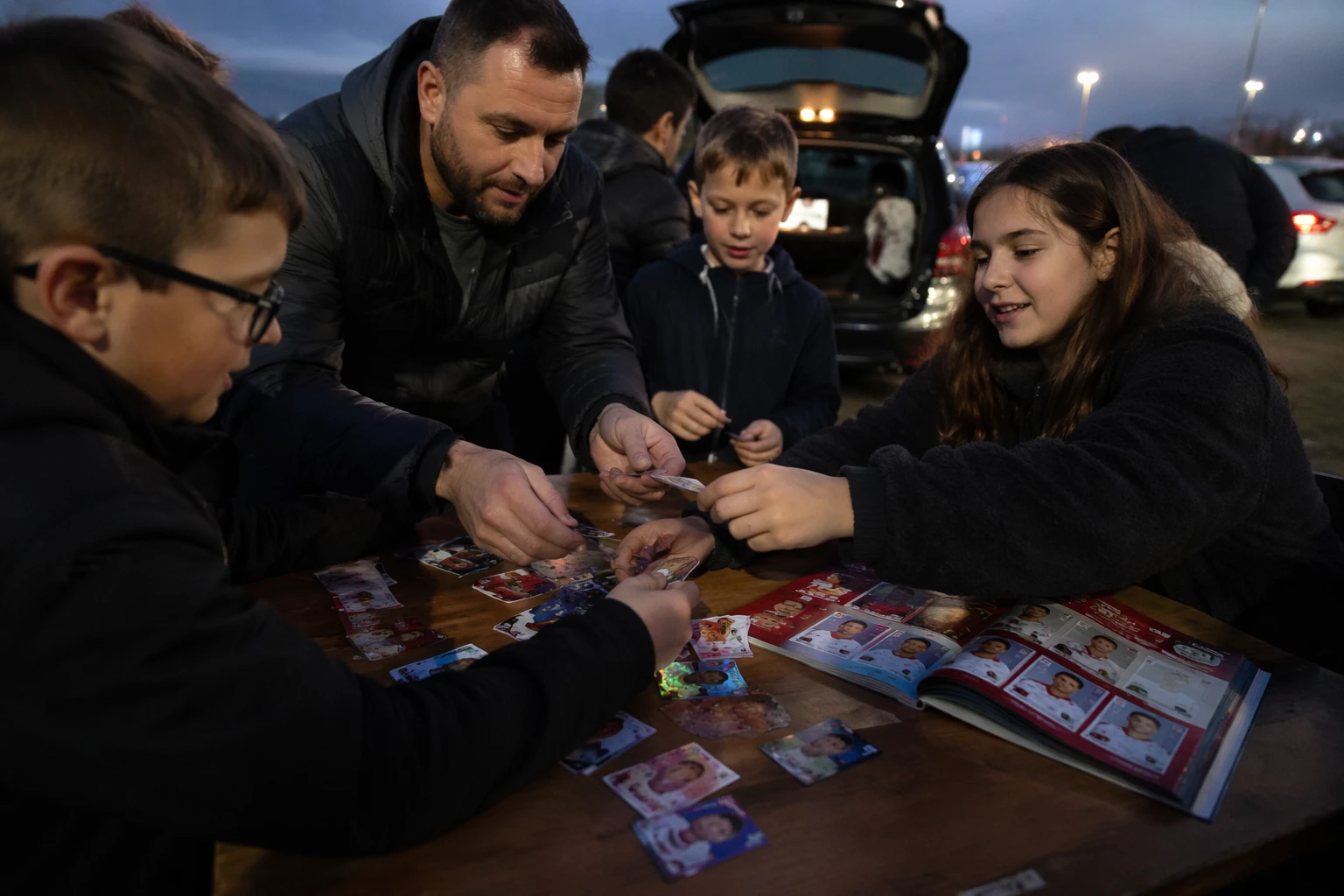
That trading culture also changes the time cost of the album. Finishing the set now requires sorting, messaging, arranging meet-ups and keeping track of who needs what. Families are effectively managing inventories of duplicates and deficits, which is why the process can feel like gig work. The payback is emotional rather than financial: fewer wasted packs, fewer duplicate piles on the kitchen table and a better chance of reaching the final page before the tournament ends.
What Panini’s own pricing means
Panini’s official route is not especially cheap either. The UK store says each sticker or card in the collection costs £0.90, shipping excluded, and the missing-stickers service for the 2026 World Cup album charges £0.45 per sticker. That service is useful for closing stubborn gaps, but it comes with rules: a maximum of 50 stickers per order and no more than five orders.
Those limits matter because they cap how much a family can solve by simply buying the missing names one by one. The service is best seen as a finishing tool, not a full completion strategy. If a collector is still short of dozens of stickers, especially in the most sought-after sections, swapping remains the more efficient route. The arithmetic is blunt: a direct retail purchase may be easy, but it becomes expensive quickly when it is used as the main plan.
The budget playbook families are using
The most effective approach is a mix of trading, selective buying and patience. Families that complete albums on the cheapest terms tend to treat the process like a series of small decisions rather than one big purchase.
• Start by sorting duplicates immediately so swap offers are clear and specific. • Use Facebook groups to match scarce stickers with households that have the same extras in reverse. • Reserve Panini’s missing-stickers service for the final gaps, when the album is close to done and the remaining names are hardest to source. • Keep an eye on shipping, because even low sticker prices can rise once postage is added.
This is where the album starts to resemble household procurement. Every decision has a cost, and every shortcut has a limit. Buying packs remains part of the ritual, but the real efficiency comes from knowing when to stop buying and start trading.
Why the ritual still holds
Panini’s sticker albums have long sat inside football culture, but the 2026 World Cup edition shows how much the economics have shifted. The official collection still carries the appeal of a shared family ritual, yet the scale of the album and the price of chasing every page have made old-fashioned collecting feel more organized, more strategic and more dependent on social networks. A family that once might have bought a few packets now has to manage a mini supply chain.
That is why the scene has moved beyond the newsagent. Wembley may have hosted the launch, but the real action now unfolds in car parks, message threads and local swaps, where the cheapest route to completion is often a trade rather than a purchase. For households trying to keep the World Cup album within reach, the smartest move is not to buy harder. It is to swap better.
Sources
- [1]bbc.co.uk
- [2]si.com
- [3]panini.co.uk
- [4]yahoo.com