Technology
Fans React to Yakuza Studio’s Digital Tupac in New Game
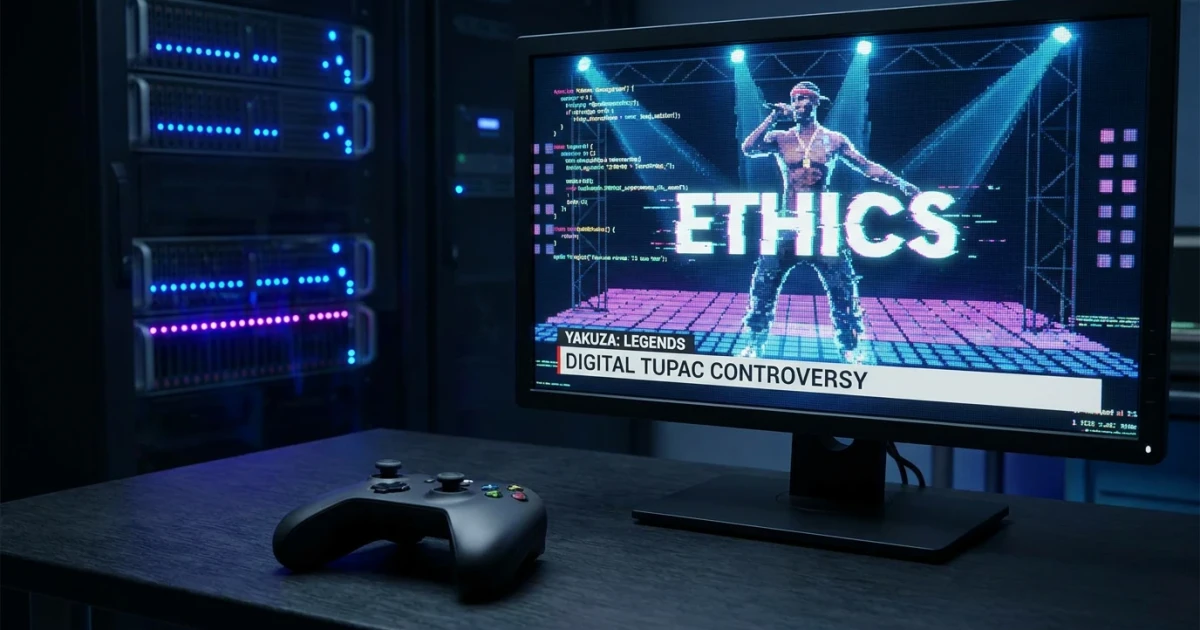
SEGA’s Yakuza Studio, best known for the Yakuza series, is under scrutiny after announcing that Tupac Shakur will appear as a digital character in its upcoming title, Stranger Than Heaven. The use of the late rapper’s likeness has sparked widespread debate among fans, critics, and industry observers, highlighting concerns around the ethics of posthumous digital representation.
Studio Announcement and Fan Backlash
The news, first reported by Aftermath, confirmed that Yakuza Studio is digitally recreating Tupac Shakur for a major narrative role in Stranger Than Heaven. While the studio has not yet released gameplay footage or specifics on Tupac’s in-game portrayal, the announcement was met with immediate public criticism. Online discussions and social media platforms were flooded with negative reactions, as fans expressed discomfort and disappointment with the decision to digitally resurrect a deceased artist for entertainment purposes.
- Many fans on gaming forums and social media argued that using Tupac’s likeness without his direct consent feels exploitative.
- Some questioned the authenticity and respectfulness of such portrayals, especially when detached from the artist’s real-world context.
- Others worried this could set a precedent for similar uses of other deceased celebrities in video games and digital media.
Aftermath summed up the sentiment, stating that “nobody is happy” with the move, as it crosses an ethical line for both fans of Tupac and the gaming community at large.
Ethical and Legal Questions Around Digital Necromancy
The controversy over Tupac’s digital inclusion highlights broader concerns about digital necromancy, a practice that involves creating or using digital representations of deceased individuals. Academic research notes that this area is rife with ethical complexities, especially regarding consent, artistic intent, and the risk of misrepresenting a person’s legacy.
Legally, the use of Tupac’s likeness would require authorization from his estate, involving copyright and image rights. However, even with legal clearance, many fans argue that the ethical dimension cannot be overlooked.
Tupac’s Lasting Legacy and Cultural Impact
Tupac Shakur remains one of the most influential artists in hip-hop history, with a catalog of multi-platinum albums and a profound cultural footprint. His music and persona continue to resonate, as shown by his multiple Grammy nominations and continued sales decades after his death. The New York Times has published interactive features exploring his enduring influence on music and society.
For many fans, Tupac’s legacy is deeply personal and tied to the values he expressed in his work. Critics of Yakuza Studio’s choice believe that a fictionalized game appearance risks trivializing or misrepresenting that legacy.
The Role of Video Games in Celebrity Representation
The gaming industry has a long history of collaborating with celebrities, but the inclusion of deceased public figures is still rare and contentious. According to Statista’s data, there are over 3 billion gamers worldwide, making games a powerful platform for storytelling—but also raising the stakes when handling sensitive subjects.
The Yakuza series is known for its dramatic narratives and stylized depictions of Japanese crime dramas, but the use of a real-life cultural icon like Tupac in a fictional setting is uncharted territory for the studio. With gamers increasingly aware of issues related to digital ethics and authenticity, studios must navigate a fine line between innovation and respect.
Looking Ahead
As Stranger Than Heaven approaches release, Yakuza Studio and SEGA face mounting pressure to clarify how Tupac will be portrayed and to address ethical concerns head-on. The backlash underscores a larger conversation about how technology and entertainment industries handle the legacies of real people, especially those who can no longer speak for themselves. Whether the studio will adjust its approach remains to be seen, but for now, the debate around digital necromancy and posthumous celebrity use in games is only growing louder.