World
Farage says Clacton voters should judge him in by-election challenge
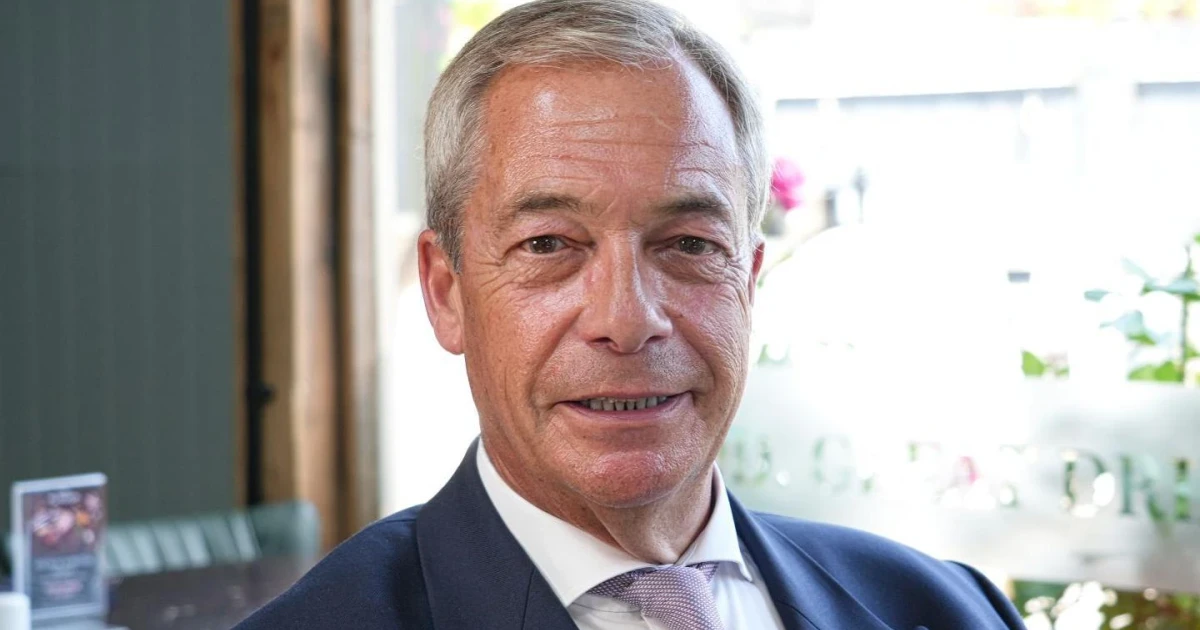
Reform UK said it would move the writ the next morning and push for a Clacton by-election on 6 August after Nigel Farage resigned his Commons seat to trigger a direct test of his support.
Farage told the BBC his move was not a publicity stunt and said it was "only fair" that the electorate judged him. He added that "real voters will have a vote for an MP" and accused Labour, the Conservatives, the Liberal Democrats and the Green Party of being "scared" to face him after all four ruled out standing candidates.
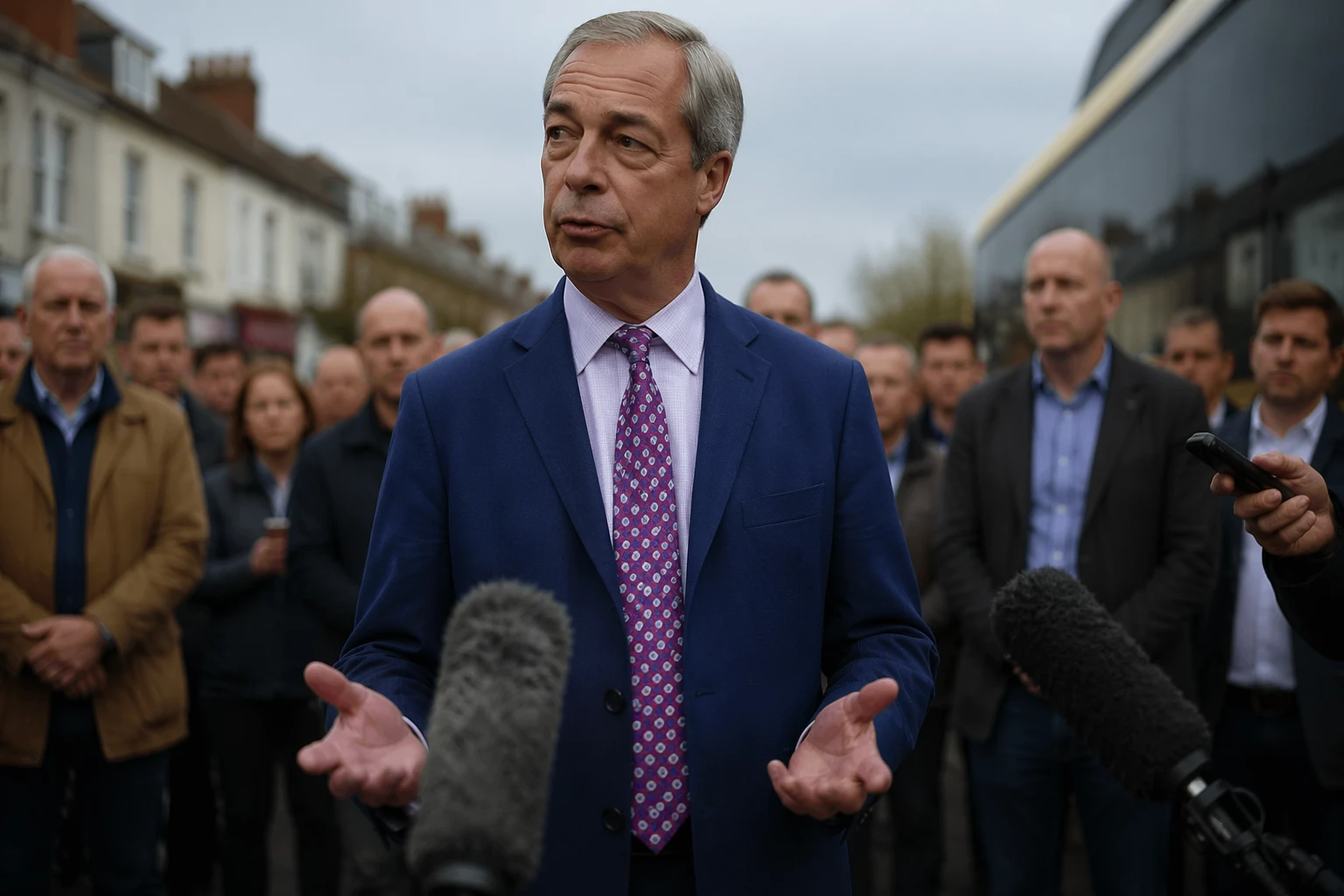
The resignation came as Farage faced intensifying scrutiny over alleged undisclosed gifts and donations. Reporting has pointed to an investigation by Parliament’s standards commissioner into whether he properly declared a £5 million gift linked to crypto billionaire Christopher Harborne. Farage has denied financial wrongdoing.
The by-election is already being read as more than a local contest in Clacton. Farage framed it as a vote between "people" and the establishment, but the political calculation is more precise: he won Clacton at the 4 July 2024 general election with 21,225 votes, a majority of 8,405 and a turnout of 58.7 percent, his first victory after seven failed attempts to enter Westminster. For Reform UK, forcing a fresh contest offers a chance to turn that headline win into proof of staying power.
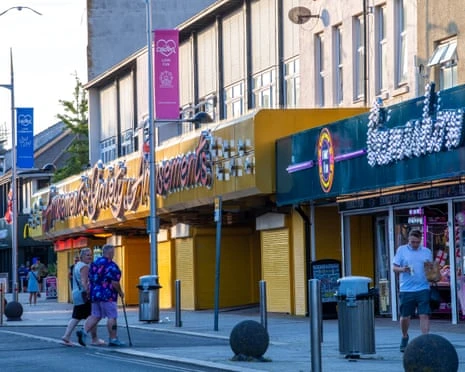
That matters because August by-elections tend to be awkward terrain. Turnout is often thinner, attention is harder to sustain, and small shifts in mobilisation can decide whether a leader’s personal brand translates into an organised vote. Reform has chosen a date that keeps the story alive through the summer political calendar, while also testing whether the party’s support in Essex is broad enough to survive outside the conditions that carried Farage into the House of Commons in 2024.
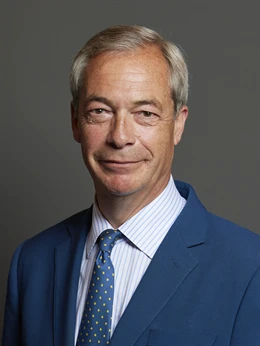
Critics have called the move a stunt, a gimmick and a fake by-election, but the absence of Labour, the Conservatives, the Liberal Democrats and the Green Party also strips the contest of a standard party clash. That has drawn comparisons with Tatton in 1997, when the main parties stood aside during a sleaze-hit by-election. In Clacton, the question now is whether Farage’s challenge looks like a show of confidence, a publicity gamble, or a hard test of whether Reform UK can still convert anger and attention into votes when the rest of Westminster refuses to play along.