Politics
Farage triggers Clacton by-election amid finance scrutiny and rival boycott
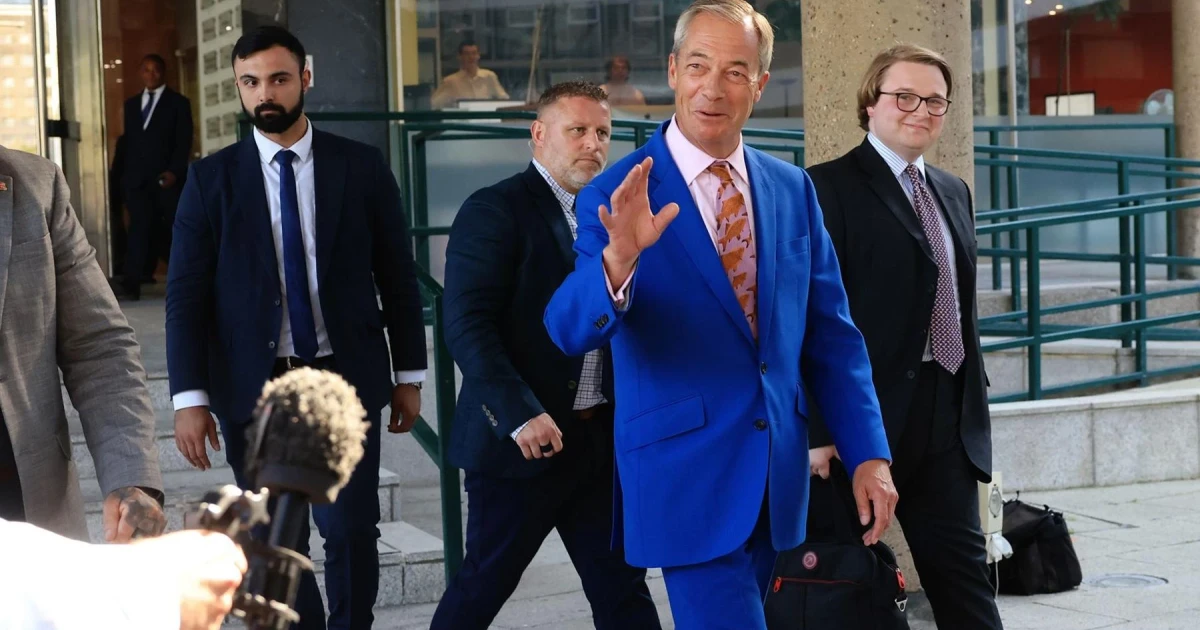
Nigel Farage said he would resign as Clacton MP and force a by-election, casting the contest as a “people versus the establishment” vote in the Essex seat he won only a year earlier.
Farage took Clacton for Reform UK at the general election on 4 July 2024 with 46.2% of the vote and a majority of 8,405. UK Parliament’s election record puts the constituency’s electorate at 78,245 and turnout at 58.7%, and says the seat’s election history begins with that poll because boundary changes in 2023 created the current version of Clacton.
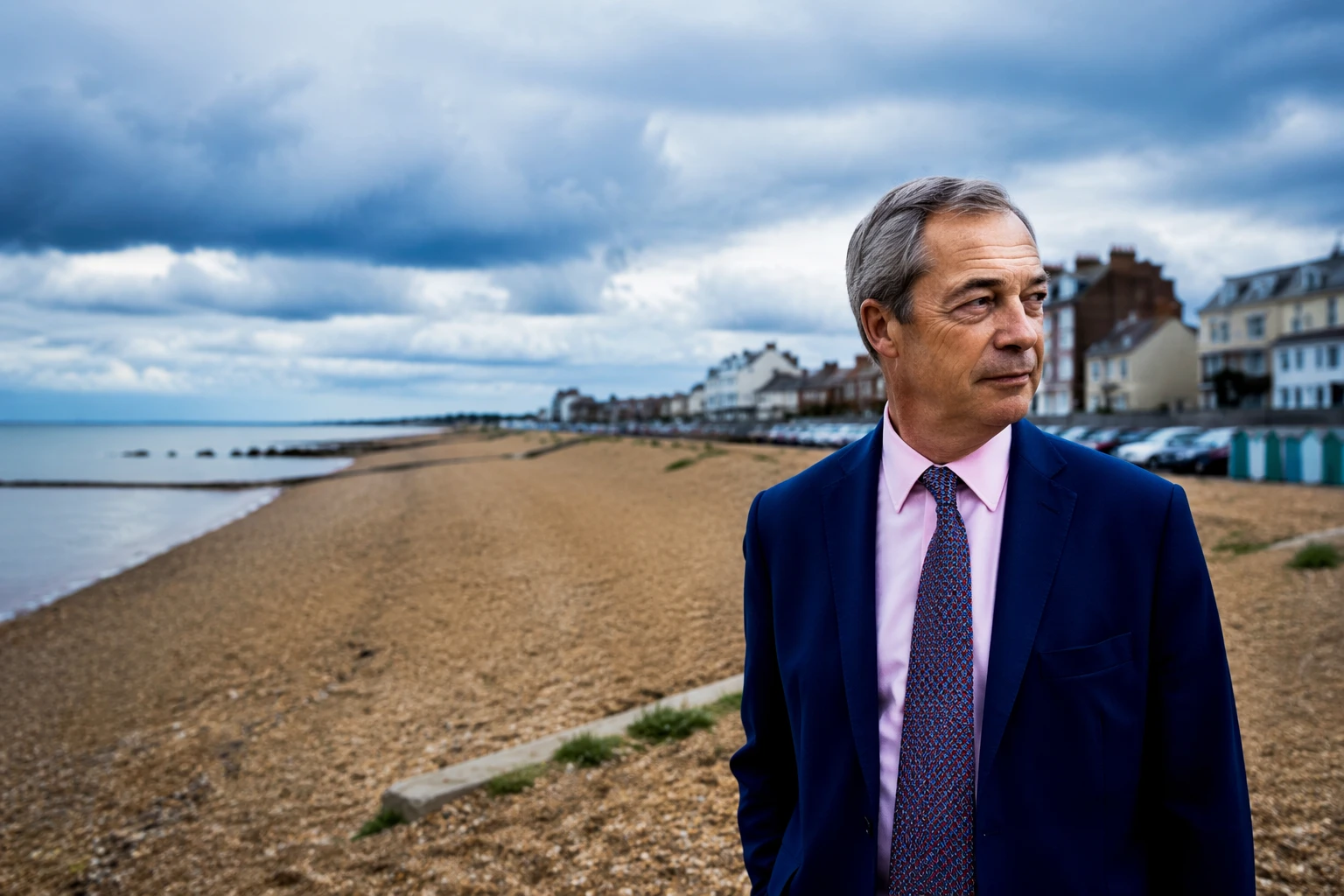
The move comes as Farage faces renewed scrutiny over his finances, including questions over support he received from George Cottrell, an ally once convicted of fraud in the United States, and a separate unregistered £5m gift from a donor. Labour has asked the Electoral Commission to investigate whether the help linked to Cottrell should have been declared, while reporting has also said UK authorities are examining allegations around Farage’s campaign spending.
Farage has said he wants the people of Clacton to judge his actions, and he has described the contest as an “establishment versus the people by-election”. He also said he would make a statement on his “future in public life” amid the pressure surrounding his finances.
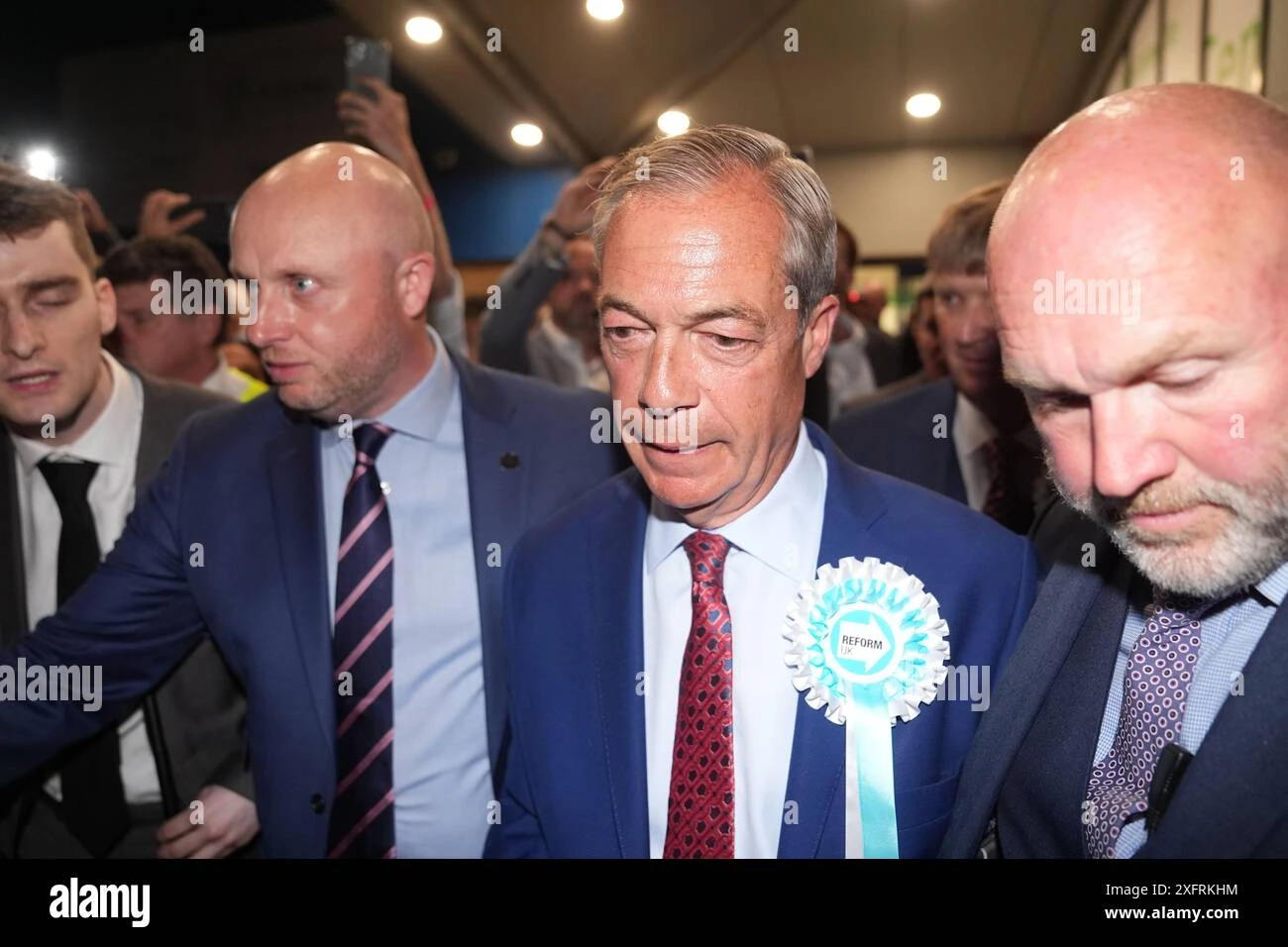
His rivals have largely declined to meet him head-on. Labour, the Conservatives, the Liberal Democrats, the Green Party and Restore Britain have all ruled out standing candidates, a decision that leaves Farage’s proposed rematch in danger of becoming little more than a one-man spectacle. Kemi Badenoch said the Conservatives would not stand in what she called a “fake” by-election, while other opponents have dismissed the move as a stunt or a circus.
That boycott may spare rival parties the cost and embarrassment of another bruising clash in a seat Farage already won, but it also hands him the frame he prefers: a direct contest against Westminster, rather than a normal local fight. With the main parties absent, the by-election risks becoming a plebiscite on elite politics, with only fringe or novelty candidates likely to provide any serious opposition.