Lifestyle
Fast Food and Hollywood: How American Icons Shape Culture
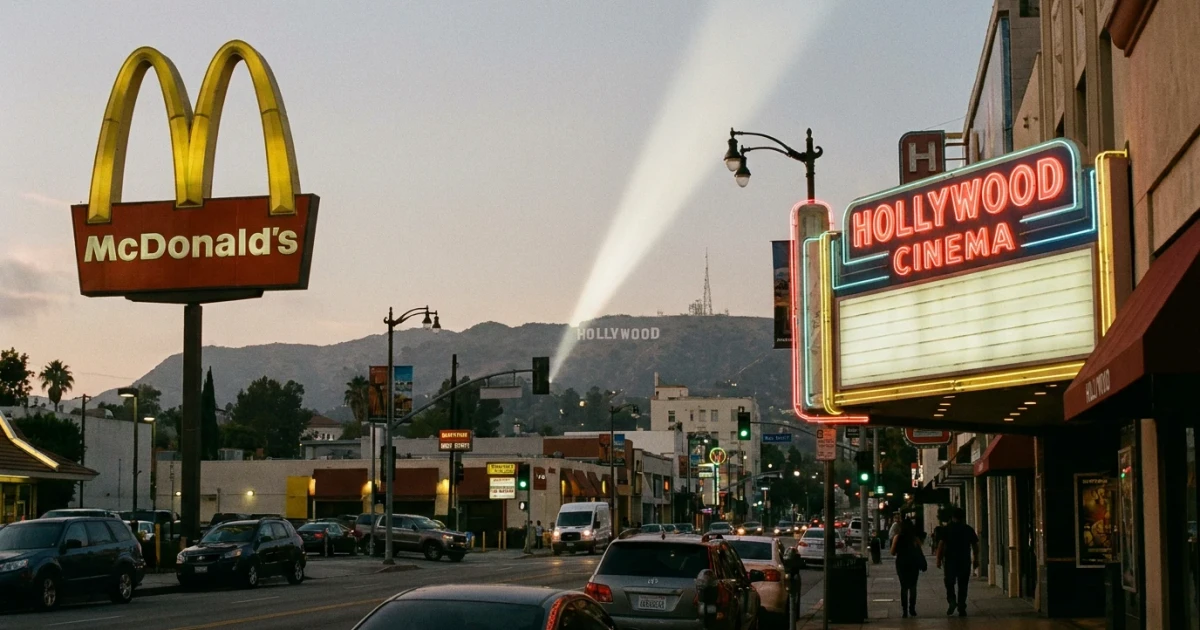
Fast food restaurants and Hollywood films have long held a special place in the fabric of American life, serving as both cultural touchstones and mirrors of societal change. While a recent Fox News quiz challenged readers on their knowledge of these enduring icons, a deeper look reveals how these industries capture the nation’s imagination—and continue to influence global perceptions of the United States.
Fast Food: More Than a Meal
Fast food is synonymous with American convenience, innovation, and—sometimes—controversy. The industry’s roots stretch back to the early 20th century, with the proliferation of diners and drive-ins that became historic landmarks in their own right. Today, fast food generates hundreds of billions in annual revenue, with leading chains like McDonald’s, Starbucks, and Chick-fil-A maintaining a vast presence across the nation. According to industry statistics, the U.S. fast food market is valued at over $300 billion, and Americans frequent these establishments for their speed, affordability, and familiar flavors.
- Chains like McDonald’s serve tens of millions of customers daily.
- Menu innovation has expanded beyond burgers and fries to include salads, plant-based options, and global flavors.
Yet, this convenience comes with scrutiny. Regulatory measures, such as the FDA’s menu labeling requirements, aim to address public health concerns by mandating transparency about calories and nutrition. These actions reflect growing awareness of the link between fast food consumption and rising adult obesity rates in the U.S., which remain among the highest globally.
Hollywood’s Hurdles and Highlights
Parallel to fast food’s rise, Hollywood has played a pivotal role in shaping American culture—and exporting it worldwide. From classic films recognized in the AFI’s 100 Years…100 Movies list to modern blockbusters, the film industry both reflects and influences societal values, trends, and aspirations. The annual box office statistics highlight the evolving tastes of American audiences, with superhero franchises, animated adventures, and nostalgic reboots dominating recent years.
- Hollywood’s economic impact is measured in billions of dollars in box office receipts, streaming rights, and merchandise sales.
- Classic films continue to inspire new generations and contribute to America’s cultural legacy.
However, the industry also faces hurdles, from shifts in viewing habits to debates over diversity and representation. These challenges fuel ongoing conversations about what stories get told—and by whom—in the nation’s movie capital.
Nostalgia and Changing Tastes
Both fast food and Hollywood tap into a deep well of American nostalgia, drawing on images of neon-lit diners, drive-in theaters, and iconic movie moments. Yet, as the latest research from Pew shows, Americans’ tastes are far from static. Younger generations gravitate toward healthier food options and more diverse film narratives, reflecting broader shifts in attitudes and priorities. This duality—cherishing the past while embracing change—defines much of the contemporary American experience.
Looking Ahead
As fast food and Hollywood continue to evolve, their influence on American culture remains profound. Whether through a quick meal at a beloved chain or an evening spent watching a blockbuster, these industries connect people across regions and generations. Their enduring appeal lies in their ability to reinvent themselves while remaining rooted in the traditions that have long defined American life.