Health
Fast walkers over 80 face lower risk of cognitive decline

Fast walkers in their 80s had about a 50% lower risk of cognitive decline in a study of adults 80 and older, but the finding points more to a marker of brain health than a simple way to prevent dementia. The analysis, e-published June 16 in Neurology and scheduled for the July 14 issue, defined “super movers” as people whose gait speed was at least 1.5 standard deviations above age- and sex-adjusted means.
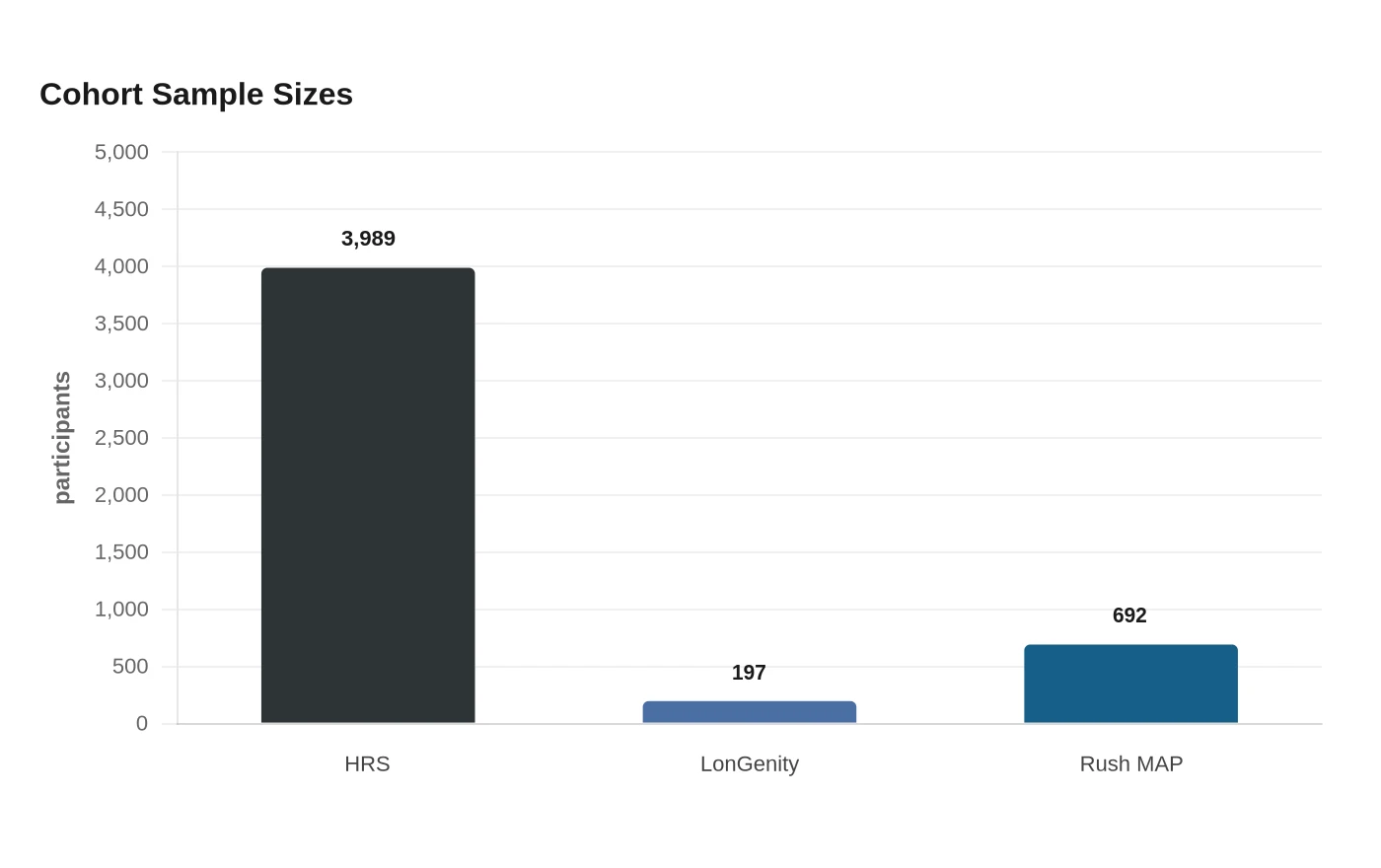
Albert Einstein College of Medicine researchers pooled data from three aging cohorts to test whether exceptional walking speed tracked with better cognition. In the Health and Retirement Study International Network of Studies, 3,989 adults with a baseline age of about 83.6 to 84.4 years were followed for 3.4 to 5.4 years. After excluding 274 participants who already had cognitive impairment, 358 super movers had a pooled hazard ratio of 0.49 for incident cognitive impairment, or roughly half the risk of their slower peers.
The pattern held across the other datasets, though each added a different layer. In the LonGenity Study, which included 197 adults with a mean baseline age of 84.6 years, super movers showed slower memory and non-memory decline and preserved hippocampal volume in specific subfields. In the Rush Memory and Aging Project, 692 adults with a mean baseline age of 85.6 years had better antemortem cognition and lower Alzheimer disease and dementia prevalence if they were super movers.
The Rush sample also showed the study’s limits. Despite the stronger cognitive profile among faster walkers, researchers found no clear difference in postmortem dementia-related pathology, suggesting that gait speed does not map neatly onto every biological marker of disease. That matters for how far the findings can be pushed: the data support walking speed as a useful indicator of healthy aging in very old adults, not as proof that a quicker pace alone protects the brain.
The researchers said super movers tended to have fewer chronic medical conditions, healthier lifestyles and younger biological age, a combination that may help explain why movement and cognition appear linked in later life. For adults past 80, exceptional gait speed may be one of the clearest outward signs that the body and brain are aging well together.