US News
F.B.I. agent accused of stealing $1 million in cryptocurrency

An F.B.I. counterintelligence agent has been accused in court papers of amassing about $1 million in cryptocurrency by making unauthorized withdrawals from a criminal target overseas. The allegation turns a financial-crime case inward, placing a federal investigator in the role of suspect and raising fresh questions about who can move digital assets once they are under government scrutiny.
Court papers say the unnamed agent confessed to the withdrawals and that much of the stash came from the overseas target. The amount at issue, about $1 million in cryptocurrency, is large enough to matter on its own, but the sharper concern is how a person inside a federal law-enforcement agency was able to convert access into personal gain.
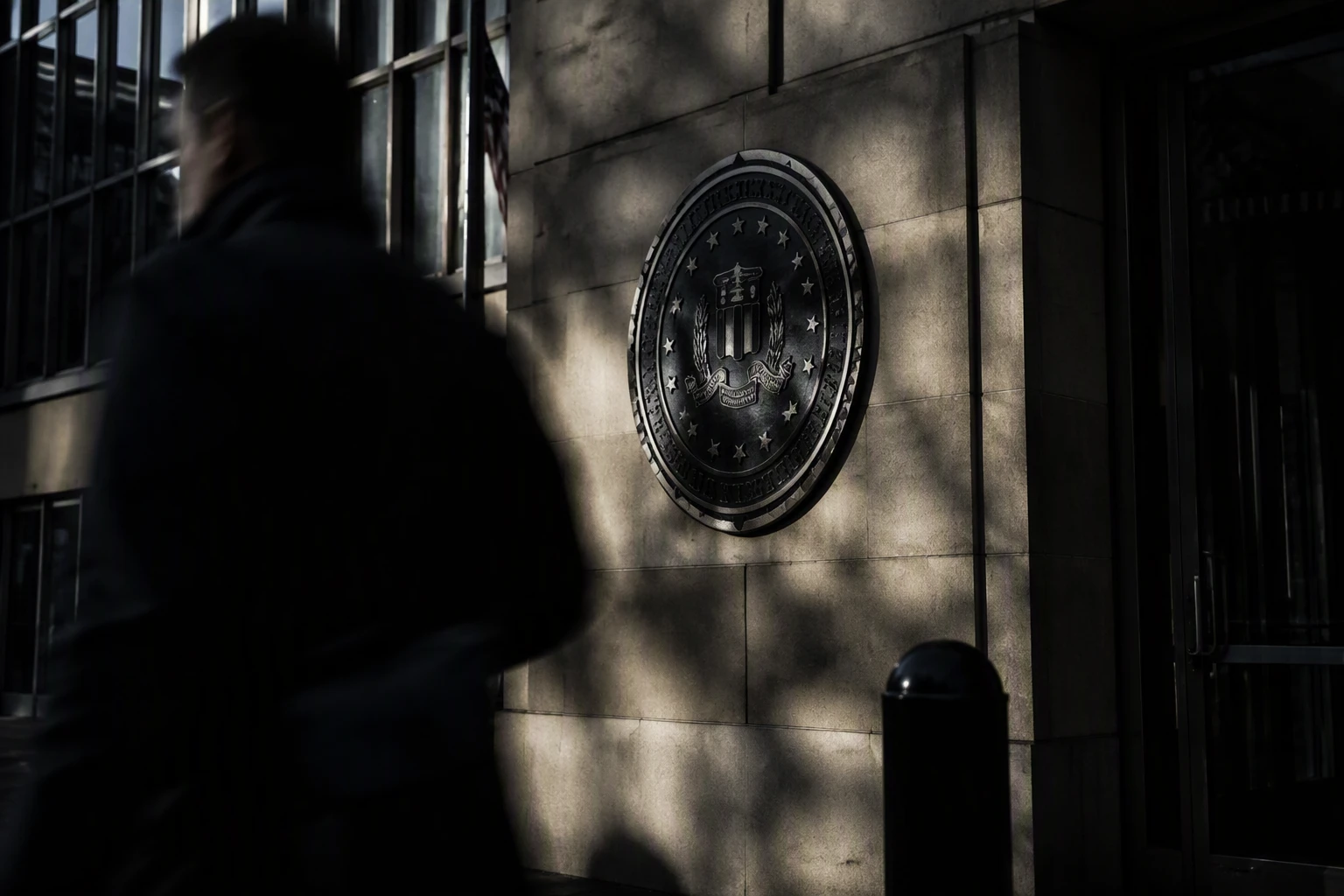
The case arrives at a moment when the Federal Bureau of Investigation and the Justice Department have become increasingly active in crypto seizures, forfeitures and scam investigations. On June 18, 2025, the Justice Department filed a civil forfeiture complaint in the U.S. District Court for the District of Columbia against more than $225.3 million in cryptocurrency tied to investment-fraud laundering, one of the biggest public signs of how aggressively federal prosecutors are now pursuing digital assets.
That broader enforcement push has made cryptocurrency both a tool for investigators and a tempting target for abuse. Unlike cash, crypto can move quickly across wallets and platforms, and the records that exist are often controlled by a small number of people with access rights, password authority or investigative leverage. In a case like this one, the central issue is not only whether one agent broke the law, but whether internal controls were strong enough to detect unauthorized transfers before they became a private windfall.

No name for the agent, no court details and no public response from the F.B.I., the Justice Department, defense lawyers or the overseas target were included in the papers described in the case. Even so, the accusation lands in a federal system that is handling bigger and bigger pools of cryptocurrency, where the line between seizure, custody and theft depends on rigorous auditing that can withstand insider abuse.
Sources
- [1]nytimes.com
- [2]youtube.com