US News
FBI Dismisses Analysts Over Controversial 'Richmond Memo'
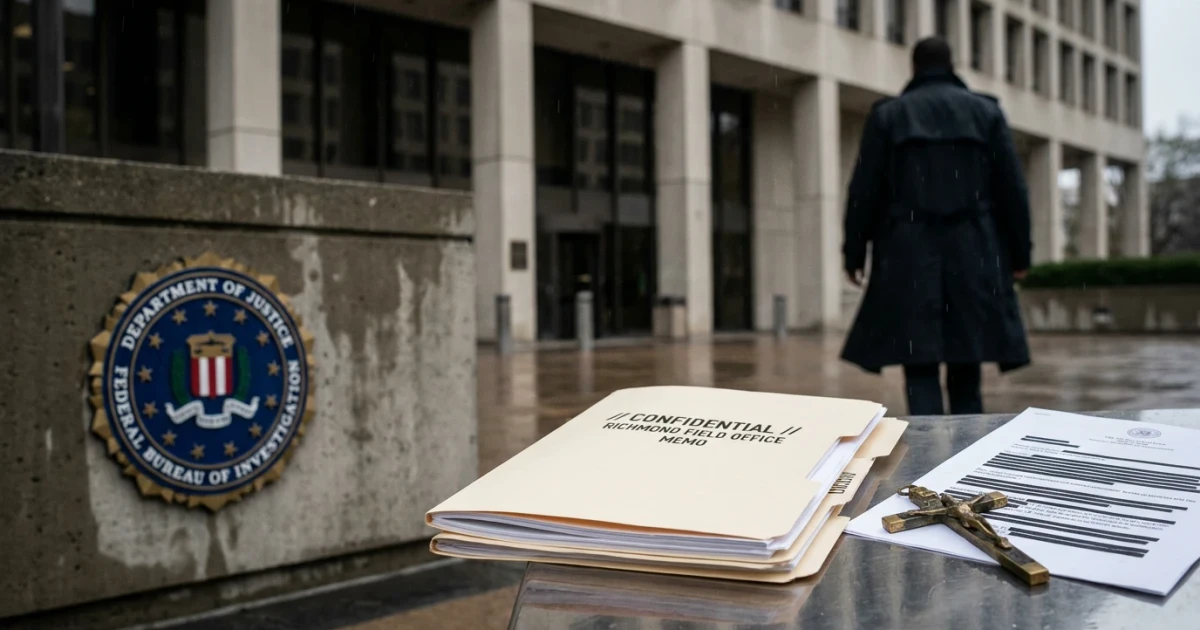
The Federal Bureau of Investigation (FBI) has dismissed several analysts who contributed to the widely debated 'Richmond memo'—an internal intelligence product that examined the potential for extremist ideology within segments of the Catholic community. The firings, first reported by CBS News, reflect ongoing fallout from the memo’s release and the public and legislative scrutiny that followed.
Background on the 'Richmond Memo'
The 'Richmond memo' was an intelligence analysis distributed in early 2023 by the FBI’s Richmond field office. The memo focused on the possible connections between so-called 'radical-traditionalist Catholic' groups and violent extremist movements.
This document quickly drew criticism from Catholic organizations, civil liberties advocates, and lawmakers, who argued it unfairly targeted religious communities for surveillance and investigation. The controversy intensified when the memo became public, prompting demands for accountability from both Congress and advocacy groups concerned with FBI surveillance of religious communities.
FBI Response and Analyst Firings
CBS News reported that the Bureau has now fired multiple analysts who were involved in the preparation and distribution of the Richmond memo. The exact number of analysts dismissed has not been publicly confirmed, but sources indicate the action was intended to signal the FBI’s recognition of the memo’s problematic handling and to address concerns raised by external oversight bodies.
Following the memo’s release, the FBI had already withdrawn the document and stated that it did not meet their investigative standards. The Bureau also emphasized its commitment to protecting religious freedom and avoiding unnecessary or inappropriate surveillance of faith-based groups.
Ongoing Oversight and Legislative Action
In response to the Richmond memo, lawmakers launched multiple investigations into the FBI’s intelligence practices. A Congressional resolution specifically addressed the memo, calling for transparency and further safeguards against the targeting of religious Americans in intelligence products.
The Office of the Inspector General has also produced official reports reviewing the FBI’s internal processes and the circumstances leading to the memo’s development and dissemination. These reports have recommended improved training and clearer guidance for analysts engaged in sensitive investigations involving religious or political groups.
Implications for Religious Communities and Civil Liberties
The firing of the analysts involved signals the Bureau’s acknowledgement of the incident’s seriousness. Groups such as the American Civil Liberties Union have pointed to the Richmond memo as an example of ongoing challenges in balancing civil rights protections with effective law enforcement.
The controversy has also reignited debate over the FBI’s historic relationship with religious organizations. According to data from Pew Research, Catholics make up a significant portion of the U.S. population, raising concerns about the potential for overbroad or discriminatory scrutiny.
Calls for Reform
- Advocates are urging the FBI to increase transparency in its intelligence operations.
- Lawmakers continue to request regular oversight hearings to monitor Bureau practices.
- Religious and civil liberties groups have highlighted the need for stronger safeguards to prevent future incidents.
Looking Forward
The dismissals mark a significant step in the FBI’s ongoing efforts to rebuild trust with religious communities and the public. As investigations and oversight continue, the Bureau faces ongoing pressure to implement reforms that ensure both national security and the protection of constitutional rights. The case of the Richmond memo is likely to shape the FBI’s approach to religious investigations for years to come as it works to balance intelligence gathering with respect for civil liberties.