Politics
FBI Launches Political Threat Assessment Center
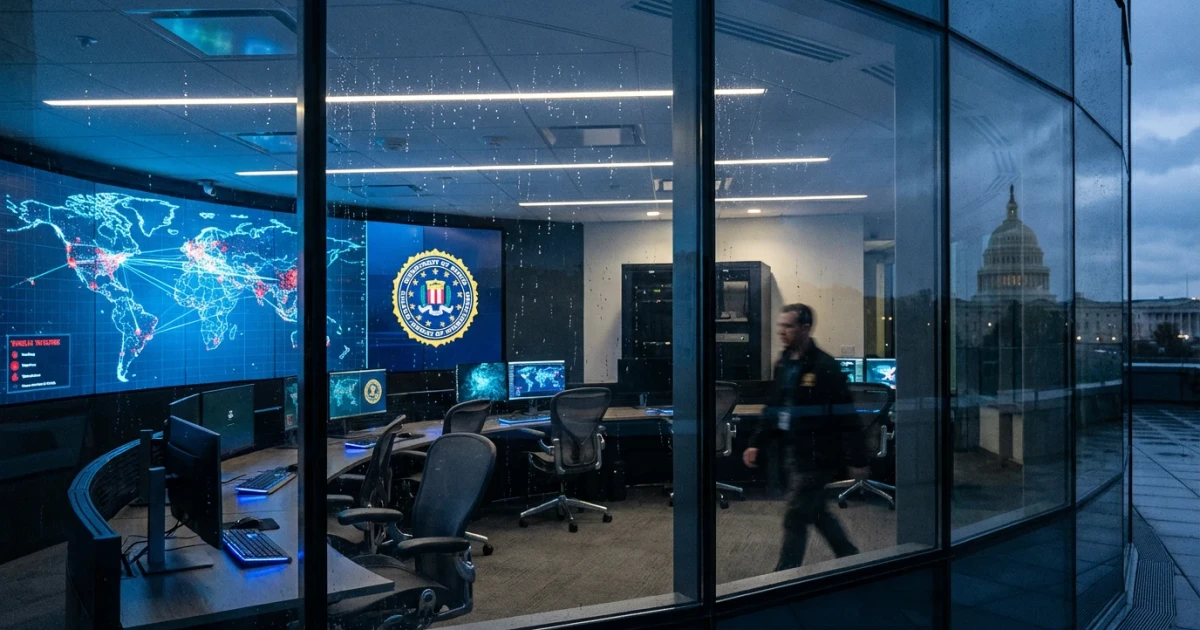
The Federal Bureau of Investigation (FBI) has launched a new threat assessment center aimed at identifying and preventing politically motivated violence before it occurs, according to recent reporting. The initiative signals an expanded federal focus on pre-crime strategies, raising questions about the scope, oversight, and implications of such programs.
Center Focuses on Political Threats
The new center, as described in Ken Klippenstein’s reporting, is designed to assess and mitigate threats related to political activity, with an emphasis on preventing potential acts of domestic terrorism or targeted violence. According to internal documents reviewed in the report, the unit’s mission aligns with broader federal efforts to counter domestic terrorism, especially in the context of increasing political polarization and recent high-profile threats against public officials.
How the Program Works
The FBI’s center reportedly uses a combination of behavioral threat assessment tools, intelligence analysis, and partnerships with other law enforcement agencies to identify individuals deemed at risk of committing political violence. This approach reflects methods already employed in other FBI Terrorism Prevention Partnerships, which rely on early intervention, information sharing, and community outreach to prevent attacks before they occur.
- The center monitors open-source information, tips from the public, and referrals from local law enforcement.
- Cases are reviewed by multidisciplinary teams that include psychologists, analysts, and special agents.
- Recommendations may include intervention, further investigation, or referral to other agencies.
Context: Rising Focus on Domestic Terrorism
The establishment of the FBI’s new center comes amid a surge in federal attention to domestic terrorism prevention. The Biden administration’s National Strategy for Countering Domestic Terrorism emphasizes proactive measures, including data-driven threat identification and closer coordination between federal, state, and local agencies. The Government Accountability Office’s recent analysis of FBI and DHS programs found that these agencies have increased investments in threat assessment and prevention infrastructure since 2021.
Similar programs, such as Project Safe Neighborhoods, have demonstrated the effectiveness of interagency partnerships in reducing violence, though the application to political threats introduces new legal and ethical considerations.
Oversight and Civil Liberties Concerns
While the FBI maintains that the center’s activities are guided by existing counterterrorism policy directives, civil liberties advocates have raised questions about transparency, due process, and the potential for overreach. The Brennan Center’s historical analysis of pre-crime programs notes that while threat assessment can be effective in preventing violence, it also carries risks of profiling and chilling legitimate political expression if not carefully regulated.
Legislative efforts such as the Domestic Terrorism Prevention Act have attempted to enshrine oversight provisions and reporting requirements, but these measures remain a topic of ongoing debate in Congress.
What Comes Next
The rollout of the FBI’s new political threat assessment center signals a turning point in the federal approach to domestic security. As the center’s operations ramp up, observers will be watching closely for evidence of effectiveness, transparency, and adherence to constitutional protections. The balance between preventing violence and safeguarding civil liberties is likely to remain at the forefront of national discussion as the center’s work continues.