Politics
FBI pushes subpoenas for Times reporters over Air Force One story
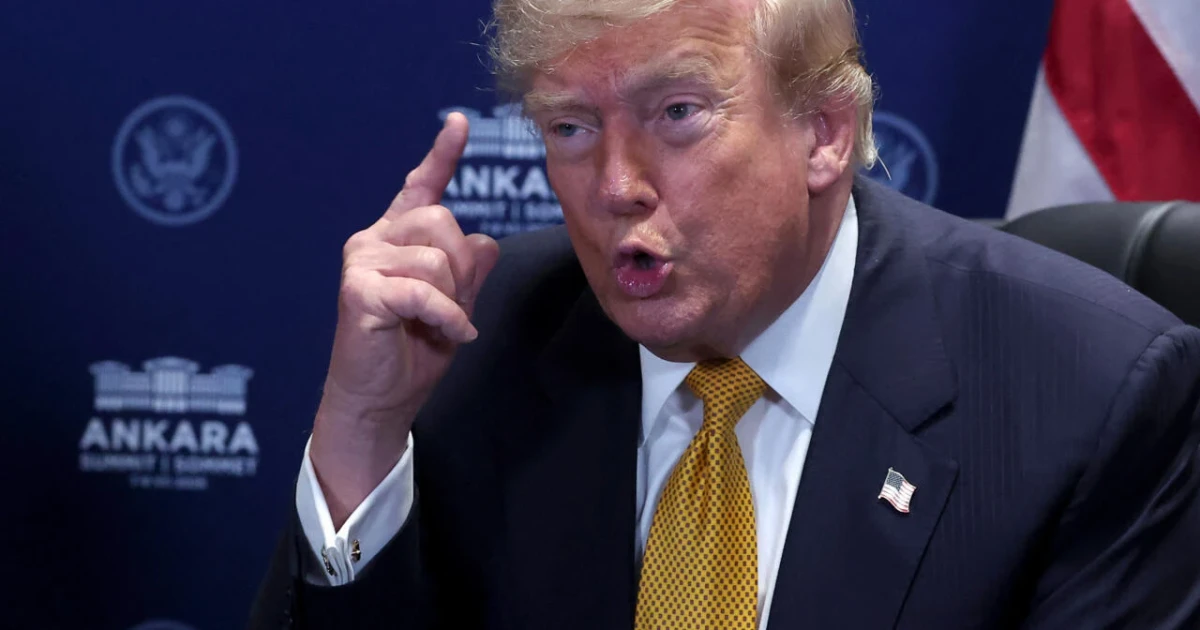
Kash Patel spent about eight hours at the White House on Friday focused on an investigation that ended with subpoenas sent to several New York Times reporters, a striking use of federal power against journalists covering national security. The episode is extraordinary because the White House was not a bystander: Patel did not leave the campus until 6:44 p.m. ET, underscoring how directly the administration was involved in an effort aimed at reporters.
The subpoenas were issued Friday and sought to compel the journalists to testify before a federal grand jury in Manhattan next week. Some were reportedly delivered by federal agents at reporters’ homes. The reporting at issue concerned security concerns surrounding the new Qatari-donated Air Force One, which entered service last week, putting a presidential aircraft and the journalists who wrote about it at the center of a legal clash over press access and government secrecy.
The New York Times called the move a “brazen act.” David McCraw, a lawyer for the paper, said the appearance of federal law enforcement at reporters’ doors “should shock anyone who believes in press freedom.” The White House denied that the aircraft had security shortcomings, with spokesman Steven Cheung saying in a statement that “The new Air Force One is a state-of-the-art aircraft that has been fitted with high-level security protocols that ensure the safety of the President and his staff.”
U.S. Attorney Jay Clayton of the Southern District of New York issued the subpoenas. Clayton has also been nominated by President Donald Trump to serve as the next director of national intelligence, adding another layer of political sensitivity to an already unusual move. The subpoenas followed the Times’ reporting on alleged security concerns with the new aircraft, and press-freedom advocates described the episode as another escalation in the administration’s pressure on the media.
The fight now reaches beyond one story about one plane. It places federal prosecutors, the F.B.I. and White House officials on one side, and reporters whose work examined the security of the president’s aircraft on the other, with the grand jury in Manhattan set to become the next arena in a widening dispute over leaks, journalism and the limits of government pressure.
Sources
- [1]nytimes.com
- [2]reuters.com
- [3]pbs.org
- [4]abcnews.com
- [5]cbsnews.com