US News
FCC Chief Warns Broadcasters Amid Iran War Coverage Dispute
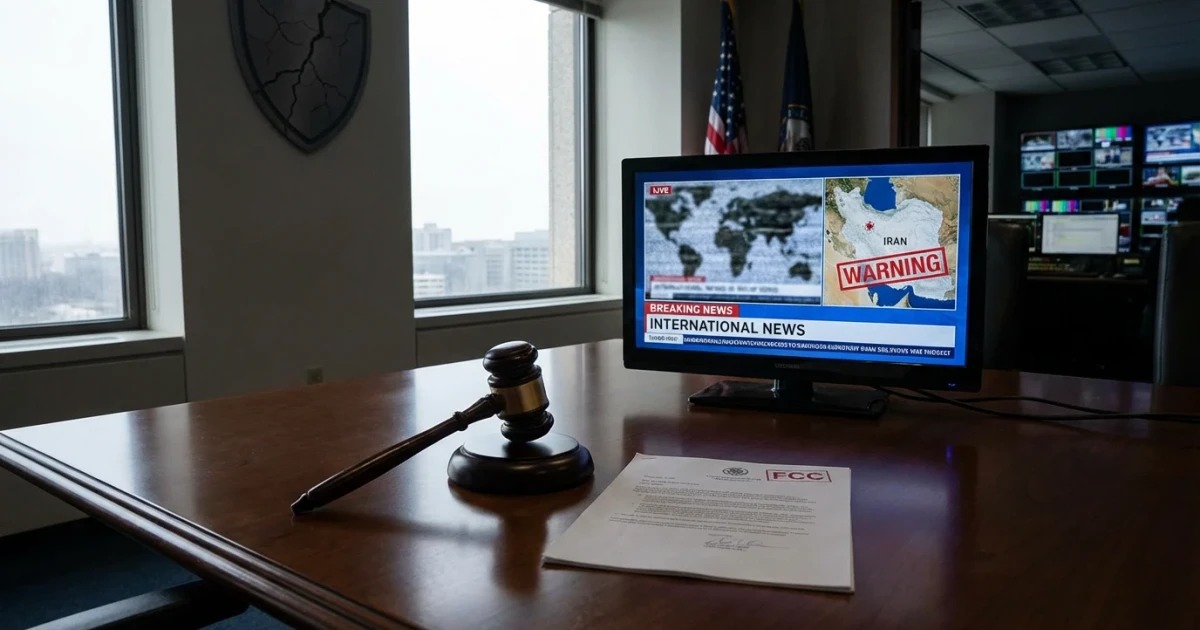
Federal Communications Commission (FCC) Chair issued a public warning to major television broadcasters this week, signaling that their broadcast licenses could be at risk in the wake of contentious coverage of the ongoing Iran war. The move follows pointed criticism from former President Donald Trump, who has accused several networks of biased and unfair reporting on the conflict, according to The Washington Post.
Context: Political Pressures and Media Scrutiny
The latest dispute centers on how national broadcasters have portrayed U.S. military actions and diplomatic efforts regarding the Iran conflict. Former President Trump has used recent appearances and social media posts to allege that mainstream networks are presenting an incomplete or negative view of the administration’s strategy and its implications for Americans. These accusations have intensified scrutiny of media outlets and sparked renewed debate about the role of federal regulators in overseeing broadcast content.
FCC Chair Threatens License Revocation
According to reporting by The Washington Post, the FCC chair’s warning was unusually direct. While the agency does not typically intervene in editorial decisions, the chair referenced the FCC’s authority to review license renewals and determine whether broadcasters are serving the public interest—a requirement detailed in FCC broadcast licensing regulations.
- The warning suggested that "persistent patterns of misinformation or lack of balance" in war coverage could jeopardize future renewals.
- The chair stopped short of naming specific networks, but emphasized the need for "responsible and comprehensive journalism" during times of national security crisis.
Legal and Regulatory Framework
The FCC’s broadcast license renewal process has long required stations to demonstrate that their programming meets the public interest standard. However, direct threats to revoke licenses over content remain rare and are often controversial. Historically, the Fairness Doctrine—a now-defunct FCC policy—required broadcasters to present controversial issues fairly and with balanced viewpoints. That doctrine was eliminated in 1987, but the underlying concept continues to shape debates about media responsibility and government oversight.
Recent GAO reports have recommended that the FCC improve its transparency and consistency during the license renewal process, especially when political pressures are high.
Concerns Over Press Freedom
Advocacy groups and media analysts have raised alarms about the potential chilling effect of the FCC chair's statements. Critics argue that threats linked to editorial choices risk undermining the independence of the press, particularly during wartime when public access to diverse information is crucial.
- Some organizations have pointed to the FCC's public inspection files, which provide transparency on station compliance and complaints, as a safeguard for accountability.
- Others highlight that U.S. broadcast news remains a primary source of information for millions, with recent viewership data showing strong audience trust in traditional TV news outlets.
Looking Ahead
The FCC chair’s warning marks a significant escalation in the ongoing friction between regulators, government officials, and the media over war coverage. While the agency has the statutory power to review and renew broadcast licenses, the situation underscores the delicate balance between regulatory oversight and First Amendment protections.
As the Iran conflict continues to dominate headlines, broadcasters and federal officials alike face mounting pressure to navigate the intersection of national security, public trust, and press freedom with care. The coming months may see further debate—and possible legal challenges—over how far the FCC can or should go in shaping the news Americans see on their screens.