Technology
FCC grants Amazon Leo waiver, easing satellite internet deadline pressure
Federal regulators eased pressure on Amazon Leo’s satellite broadband rollout, but they did not let the company off the hook. In a June 5 order, the Federal Communications Commission granted Kuiper Systems LLC, now Amazon Leo, a limited waiver of a key deployment milestone for its low-Earth orbit network, while keeping the final July 30, 2029 completion deadline intact.
The decision matters because it tests how aggressively Washington is enforcing promises made by a big-tech satellite entrant that is still far from scale. Amazon Leo’s Gen1 authorization required the company to launch and make operational 50 percent of its 3,232-satellite constellation by July 30, 2026. At the time of the waiver decision, Amazon said it had 331 satellites in orbit, well short of the halfway mark.
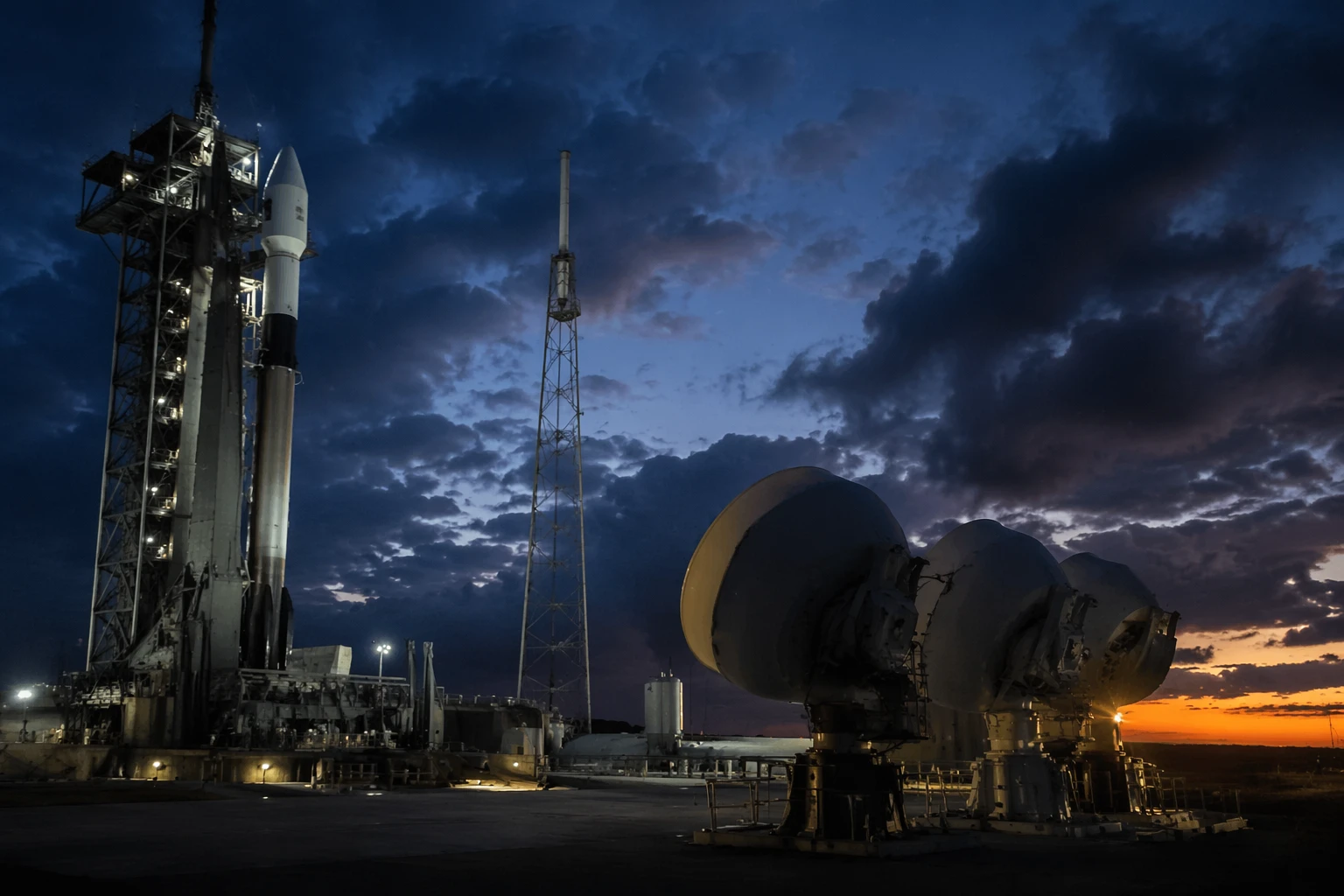
The FCC granted the waiver “with conditions” and said Amazon Leo was a “new competitor-at-scale” in low-Earth orbit serving unserved and underserved areas. The agency said the waiver was in the public interest because it would encourage Americans to benefit from multiple facilities-based next-generation satellite providers. But the relief came with a price: any satellites launched after the July 30, 2026 milestone will temporarily lose spectrum coordination priority, and that reassignment can last until March 30, 2028 unless Amazon reaches the 50 percent deployment point sooner.
Amazon had asked the FCC in January for either a 24-month extension or a waiver, citing constrained commercial launch availability and a satellite redesign. At the time, the company said it had launched 180 satellites and expected to have about 700 in orbit by the deadline. Amazon has also said it has more than 100 launches on contract, underscoring that the bottleneck is not only capital but the pace at which launch slots, hardware, and regulatory deadlines can line up.
SpaceX opposed the request and argued that Amazon was seeking special treatment, a dispute that goes to the heart of the competitive landscape around Starlink. The FCC rejected that argument, but it preserved the bond forfeiture requirement if Amazon misses the July 2026 milestone. FCC Space Bureau Chief Jay Schwarz said the agency was trying to balance enforcement of milestone rules with incentives for rapid deployment and American leadership in space.
The waiver gives Amazon room to keep building while protecting the FCC’s leverage, a sign that the agency still sees satellite broadband as a long-horizon infrastructure race. Amazon rebranded Project Kuiper as Amazon Leo on November 13, 2025, and says the network is intended to reach customers and partners in remote areas. For rural users still waiting for better broadband, the order keeps alive the prospect of a second major U.S.-based low-Earth orbit network, but it also confirms that the service remains in the heavy-build stage, not the wide-deployment stage.
Sources
- [1]broadbandbreakfast.com
- [2]docs.fcc.gov
- [3]satellitetoday.com
- [4]aboutamazon.com
- [5]cnbc.com