US News
FCC opens review of E-Rate internet subsidy for schools and libraries
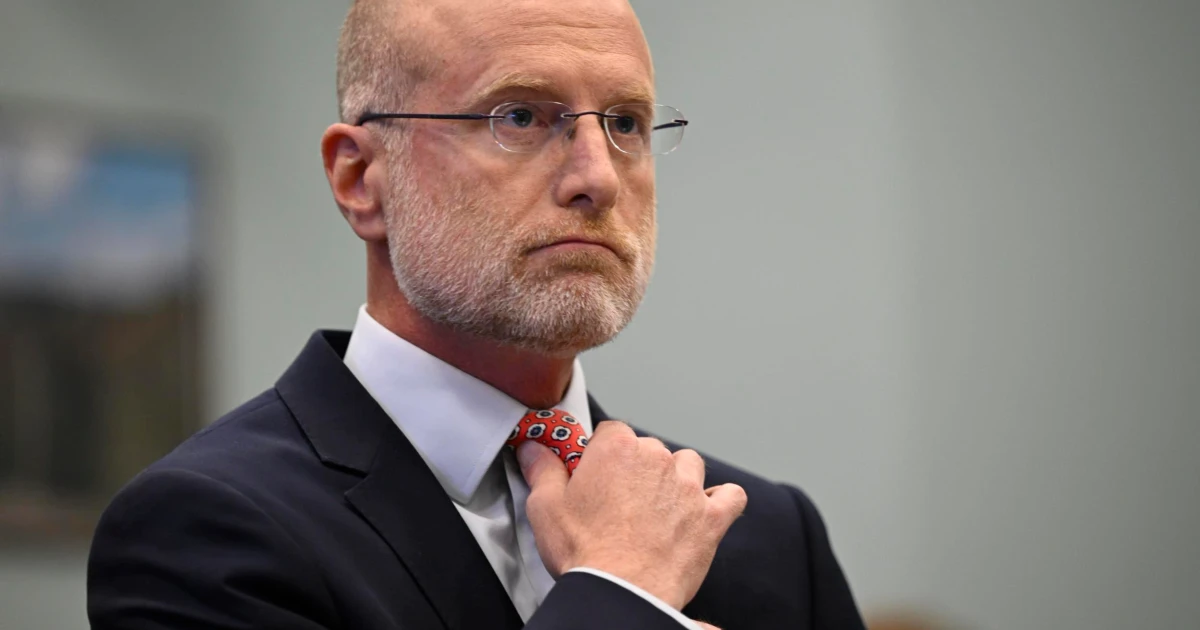
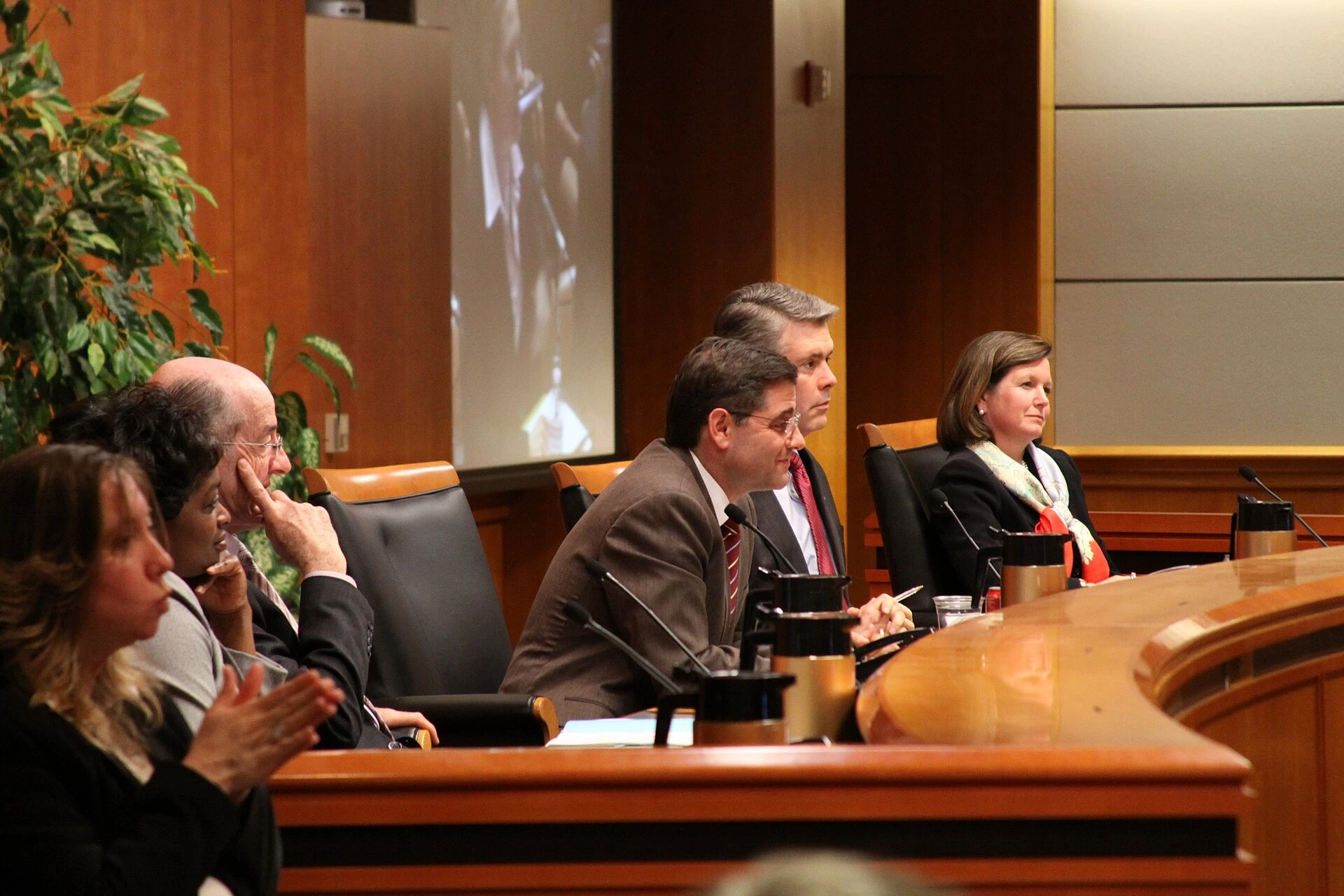
The Federal Communications Commission on June 25 opened a sweeping review of E-Rate, the subsidy that helps schools and libraries pay for broadband, classroom networks and other digital access.
E-Rate was authorized in the Telecommunications Act of 1996 and launched by the FCC in 1997 to make telecommunications and information services more affordable for schools and libraries, especially in rural and economically disadvantaged areas. Chairman Brendan Carr had already signaled he wanted the review before Donald Trump tapped him for the job. Carr’s June 3 notice tied the proceeding to concerns about excessive screen time and said he wanted the program to fulfill Congress’s vision for stronger educational outcomes.
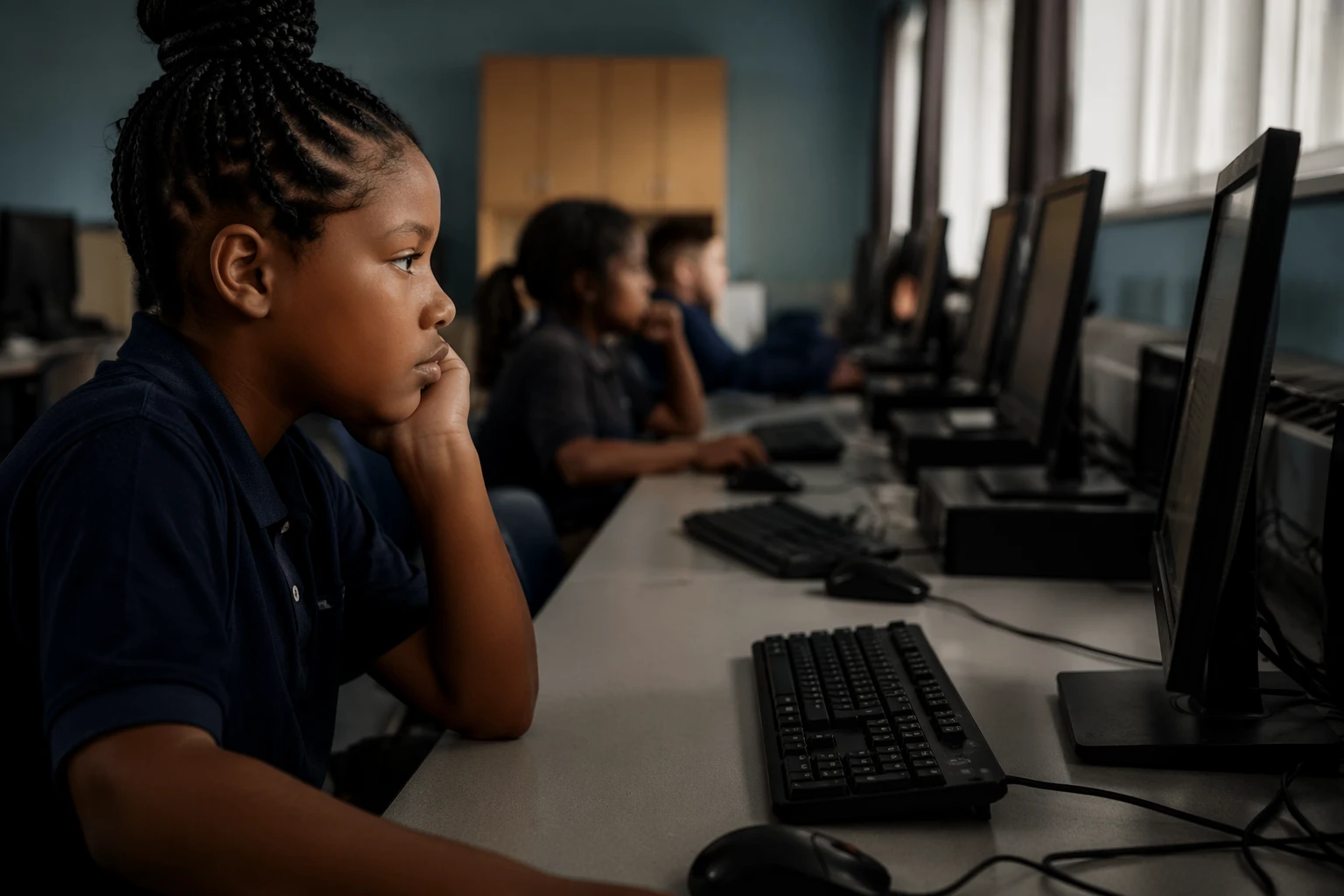
If the subsidy were narrowed or cut, districts would have to find another way to pay for the internet connection that keeps testing platforms online, homework portals open, classroom devices usable and digital lessons running. Schools with thin budgets would face the choice first: absorb higher bills, cut back on services, or leave students with weaker connectivity at the exact moment assignments, state tests and routine school communication depend on it.
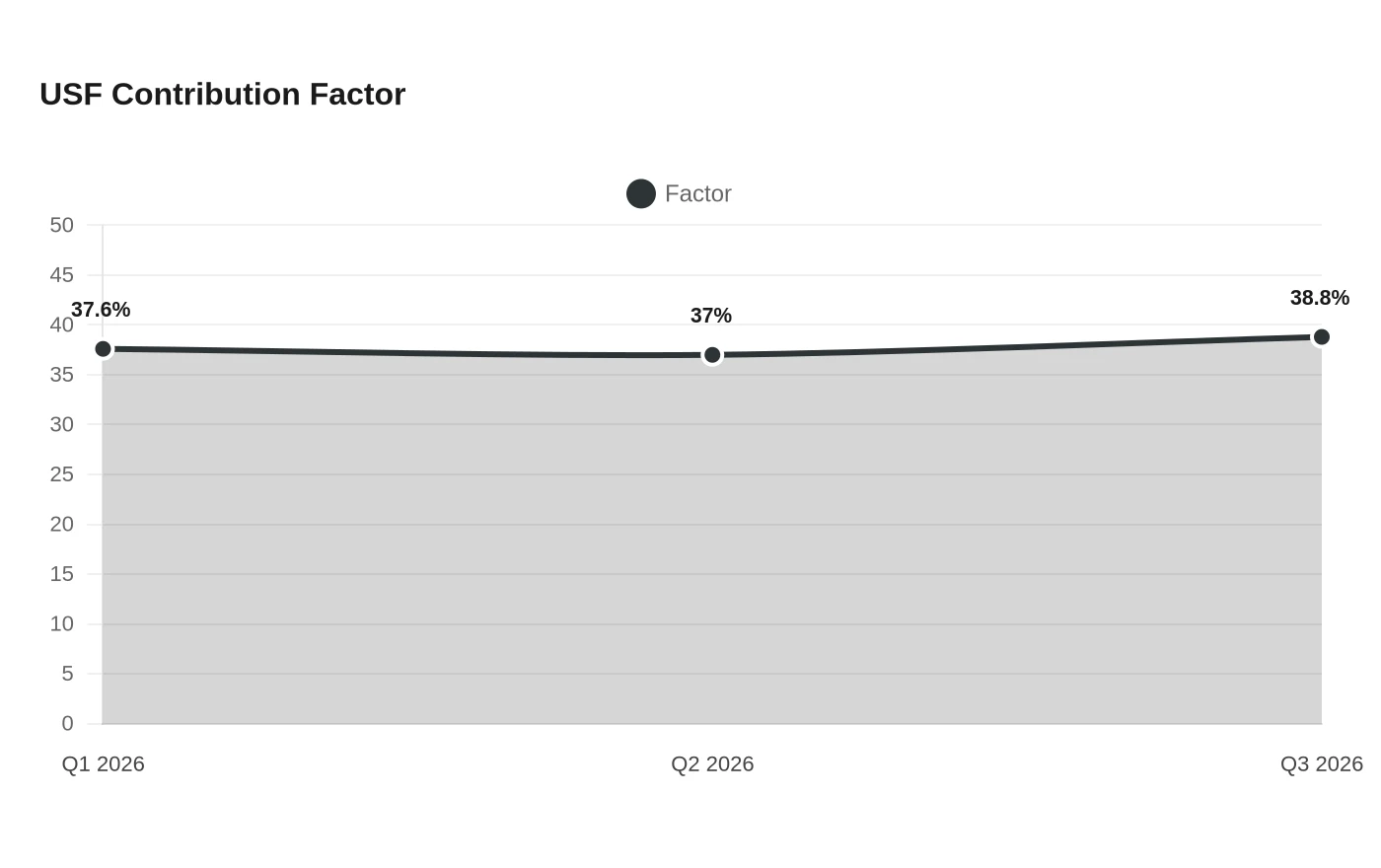
The Universal Service Fund is financed by a quarterly contribution factor charged to telecommunications companies on interstate and international end-user revenues, and carriers typically pass that burden on to consumers. The FCC set the factor at 37.6 percent in the first quarter of 2026, 37.0 percent in the second quarter and 38.8 percent proposed for the third quarter.
In 2023, the agency expanded E-Rate to cover Wi-Fi on school buses, then ended that eligibility in 2025 after Carr argued the service fell outside the statute’s limits. The American Library Association and the Schools, Health & Libraries Broadband Coalition launched a national advocacy campaign the same day as the vote, warning that the proposal could end E-Rate or confine it to rural areas. Sen. Edward J. Markey of Massachusetts, who helped author the original program, said the vote threatened a system that has connected millions of students, teachers, schools and libraries. The broader Universal Service Fund survived a Supreme Court challenge on June 27, 2025, but the FCC has warned that the contribution factor has climbed above 30 percent.
Sources
- [1]npr.org
- [2]fcc.gov
- [3]docs.fcc.gov
- [4]usac.org
- [5]ala.org
- [6]markey.senate.gov