Politics
FCC to vote on ending 39 percent TV ownership cap

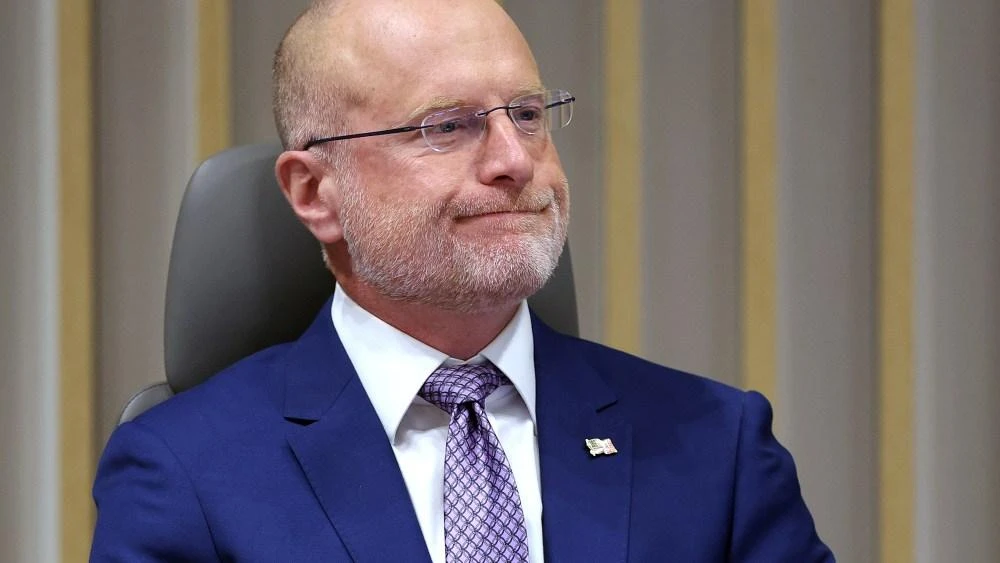
The FCC set Aug. 6 for a vote that could let one company own local stations reaching more than 39 percent of U.S. TV households, a change that could accelerate consolidation in local newsrooms. Brendan Carr said the commission would replace the national ownership cap with a case-by-case public-interest review of station deals.
The move would end a rule that has functioned as a blanket prohibition on transactions that push a merged broadcaster above the 39 percent reach threshold. This would be the first time in more than 20 years that the agency has modified the rule, even though the commission began a formal review in 2017 and refreshed the record again on June 18, 2025.

The current fight reaches back to Congress. Lawmakers wrote the 39 percent number into federal law in 2004 and required companies that exceed the cap to divest stations within two years. Before that change, the national television ownership reach limit stood at 35 percent. The agency reviews most media ownership rules every four years, and the national cap is part of a broader broadcast-ownership regime that has also intersected with the UHF discount.

Free Press calls the plan an attempt to repeal a congressionally set limit and argues the FCC lacks authority to eliminate it. The group says lifting the cap would help major broadcast mergers in a television market that is already profitable. Carr, by contrast, has framed the change as a way to help local stations and local news by moving away from a hard cap and toward individualized review under the public-interest standard.
Sources
- [1]theverge.com
- [2]breitbart.com
- [3]docs.fcc.gov
- [4]freepress.net
- [5]fcc.gov
- [6]law.cornell.edu
- [7]apps.fcc.gov