US News
FCC Warns Broadcasters on Iran War Hoax Coverage
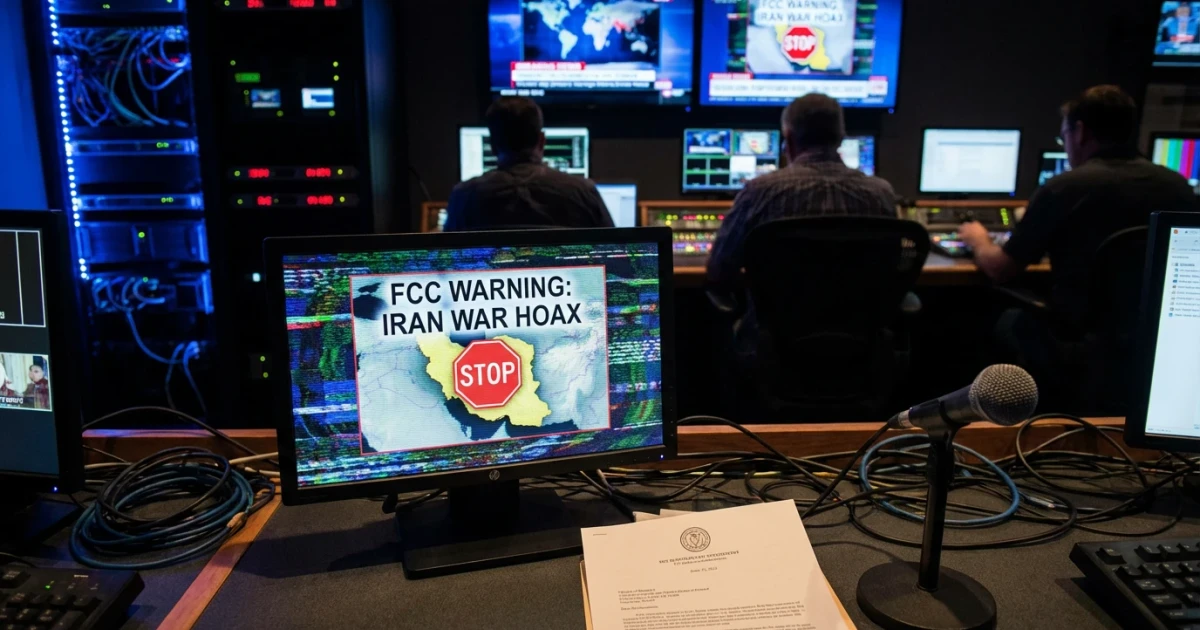
The Federal Communications Commission (FCC) has issued a warning to U.S. news broadcasters, cautioning them against airing what it described as 'hoaxes' concerning the ongoing conflict with Iran. The announcement, highlighted by The Guardian, comes amid rising tensions and fears of misinformation shaping public perception of the war.
FCC Chair Issues Strong Statement
According to The Guardian, the FCC chair threatened to 'throttle' or potentially restrict news broadcasts that disseminate false or misleading information about the Iran war. This strong language underscores the FCC's intention to enforce its authority under existing broadcast hoax regulations, which prohibit stations from knowingly airing false information that could cause public harm.
Recent weeks have seen a surge in rumors and unverified reports circulating across television and radio platforms. The FCC's warning specifically targets these instances, emphasizing the responsibility of broadcasters to verify information before airing it, especially when national security is at stake.
Background: FCC Hoax Policy
The FCC's authority to regulate broadcast content stems from its enforcement powers, including the specific rule on broadcast hoaxes outlined in 47 CFR § 73.1217. This regulation makes it unlawful to broadcast false information if it:
- Was knowingly aired as a hoax
- Could foreseeably cause substantial public harm
- Does, in fact, result in direct and actual harm to the public interest
For further clarity, the FCC Broadcast Hoaxes Policy explainer details examples from previous enforcement actions, including cases related to war, natural disasters, and other emergencies.
Concerns About Press Freedom
The FCC's threat to limit or penalize certain news coverage has sparked debate about the balance between curbing misinformation and protecting press freedom. While the FCC maintains that its actions are aimed at preventing public panic and ensuring accurate reporting, critics argue that such measures could have a chilling effect on journalistic independence.
Past actions by the FCC have been scrutinized in the context of oversight and government influence on broadcast content. Media watchdogs caution that vague definitions of 'hoax' or 'misinformation' could be used to suppress legitimate reporting, especially on controversial or rapidly evolving events like war.
Impact on Newsrooms and Viewers
Newsrooms are now faced with increased pressure to fact-check and vet all information related to the Iran conflict before broadcasting. The episode also highlights the role of television as a primary news source for millions of Americans; recent data shows that TV and radio still account for a significant portion of news consumption, despite the rise of digital platforms.
For audiences, the FCC's warning serves as a reminder to approach wartime news coverage with caution. The risk of false reports escalating public fear or confusion remains high, especially when official information is scarce or evolving.
Looking Ahead
As the situation with Iran continues to develop, the FCC's latest warning sets a new tone for how wartime information will be regulated and disseminated. The commission has signaled that it will closely monitor broadcasts and may take action against outlets that violate its enforcement advisories. News organizations, meanwhile, face the ongoing challenge of delivering timely updates without crossing the line into unverified speculation.