Health
FDA advisers weigh Moderna's first mRNA flu vaccine for older adults

Federal advisers spent Thursday weighing whether Moderna’s MFLUSIVA should become the first mRNA flu vaccine in the United States, a decision that reaches far beyond one drugmaker in Cambridge, Massachusetts. The Vaccines and Related Biological Products Advisory Committee met in open session from 8:30 a.m. to 4:00 p.m. Eastern Time to review Moderna TX Inc.’s application, STN 125869/0, for adults 50 and older, after the FDA had first rejected the filing and later reversed course amid sharper scrutiny of vaccines under Robert F. Kennedy Jr.’s health leadership.
Moderna’s case rested on Phase 3 P304, published in the New England Journal of Medicine in May 2026. The study enrolled 40,703 adults 50 and older and found 411 cases of influenza in the mRNA-1010 group versus 557 in the licensed standard-dose comparator group, a relative vaccine efficacy of 26.6%. Moderna said efficacy was 27.4% in adults 65 and older, and FDA staff said immune-response data could support effectiveness in that age group, including from a smaller study that compared the shot with a high-dose flu vaccine.
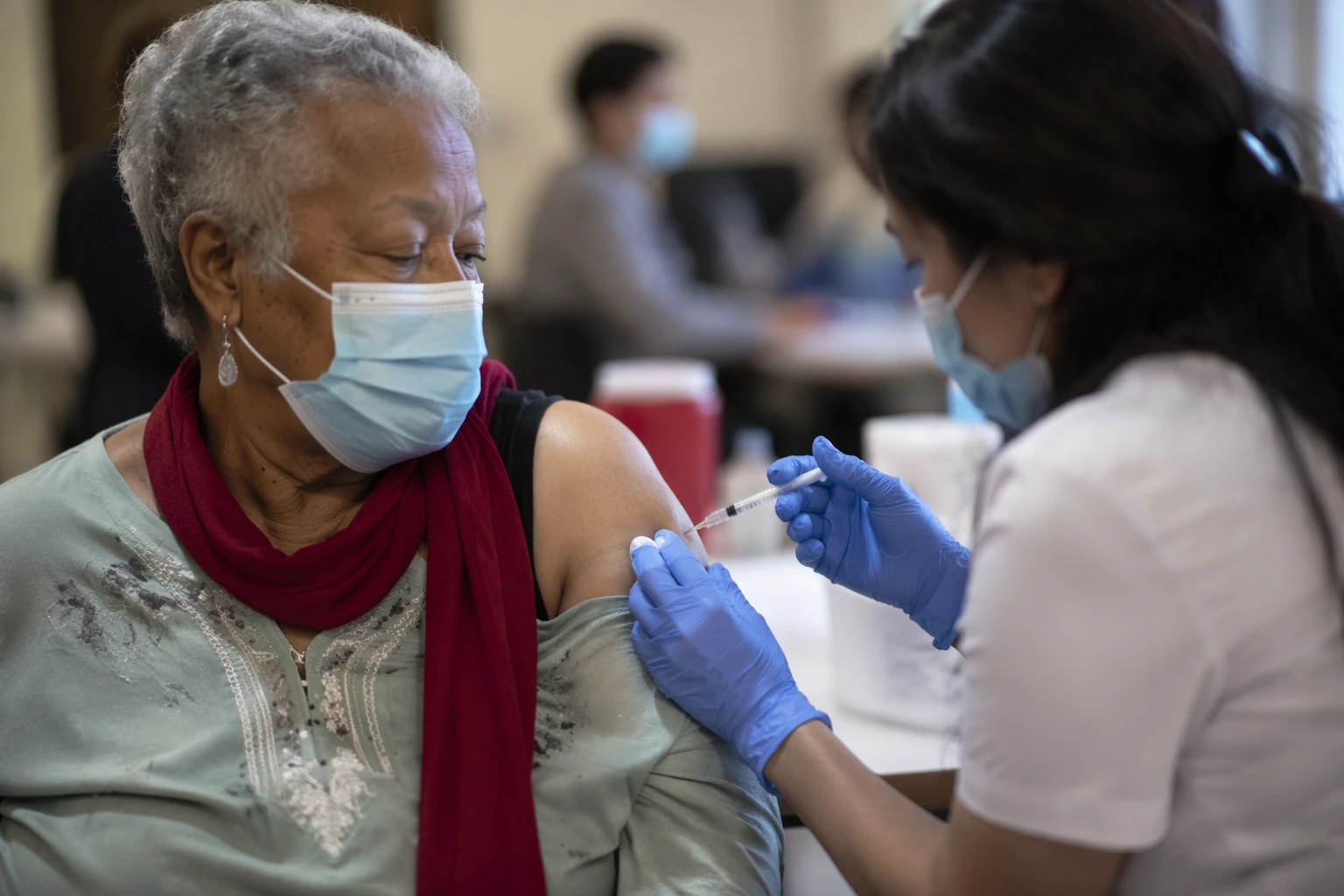
The agency still wanted a closer look at the oldest and frailest patients. FDA materials flagged gaps for very frail older adults and immunocompromised people, who were excluded from the trials, leaving regulators to judge how far the data can be stretched across higher-risk groups. That question carries public health weight in a country where CDC says the 2024-25 flu season was classified as high severity and was the most severe since 2017-18, and where the agency uses hospitalization surveillance and modeling to estimate annual flu burden and guide vaccination policy.

The vote is also a referendum on the FDA’s posture after a turbulent winter of vaccine review fights. Moderna is seeking traditional approval for adults 50 to 64 and accelerated approval for people 65 and older, with more data to come, a path shaped by the agency’s earlier objection to the control arm and its insistence that older adults be measured against a higher-dose or adjuvanted flu shot rather than only a standard-dose comparator. If the panel is receptive, it would signal that mRNA vaccines can compete as seasonal tools beyond COVID-19, with faster manufacturing and strain updates becoming part of routine flu planning rather than a special case.
Sources
- [1]usnews.com
- [2]fda.gov
- [3]federalregister.gov
- [4]nasdaq.com
- [5]newswire.com
- [6]cdc.gov
- [7]fiercebiotech.com