Health
FDA approves daily non-statin pill for cholesterol, heart risk reduction
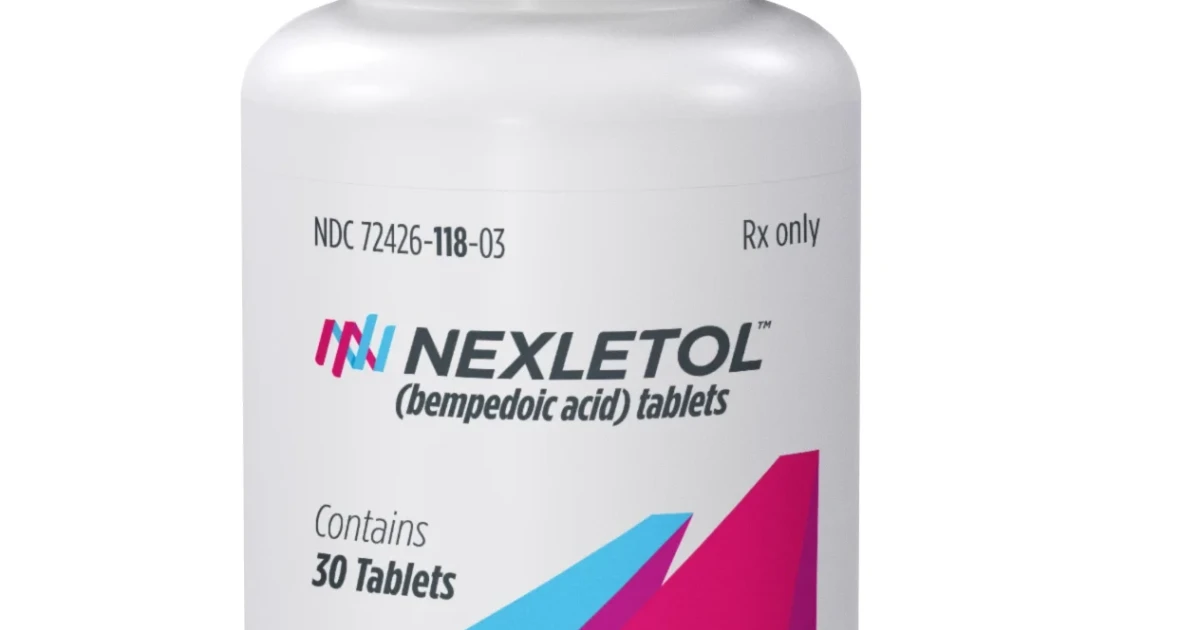
The FDA expanded the labels for Nexletol and Nexlizet on March 22, 2024, allowing the daily pills to be used to reduce cardiovascular risk in adults in both primary and secondary prevention, whether or not they are taking statins. The decision put bempedoic acid, sold as Nexletol, and the bempedoic acid plus ezetimibe combination, Nexlizet, into a narrower but important lane for patients who need another way to lower LDL cholesterol.
That lane is not meant to replace statins for most people. Statins still anchor treatment because of their long track record, but Nexletol works differently: it is an oral once-daily ATP citrate lyase inhibitor, acting upstream of the HMG-CoA reductase pathway targeted by statins. That makes it a practical option for patients who cannot tolerate statins, or for those whose LDL levels stay above goal despite statin therapy. It is also a pill, not an injection, which matters in a market where PCSK9 therapies have often meant self-administered shots.

Esperion Therapeutics said the broader label could make the drugs relevant to about 70 million U.S. patients and called Nexletol the first LDL-C-lowering non-statin indicated for primary prevention patients. Cardiovascular outcomes data showed the drug reduced events, giving clinicians a non-statin choice with evidence beyond cholesterol numbers alone. For patients with established cardiovascular disease, that matters as an add-on; for others at high risk who have never had an event, it creates an alternative when statins are not an option.
Safety remains part of the decision. The prescribing information warns about tendon rupture, and the label cites tendon rupture in 0.5% of patients in trial data. The most commonly reported adverse reactions were upper respiratory tract infection and muscle spasms. That means the drug is not a casual swap for a statin, especially for patients with a history of tendon problems.

Cost and coverage shape how widely the new option is used. Esperion said eligible patients with commercial drug insurance coverage may pay as little as $10 per fill, up to a 3-month supply, but access still depends on the plan. Dr. Corey Bradley of Columbia University Irving Medical Center said statins remain central, yet many eligible patients do not take them as prescribed or are never offered them. LDL cholesterol has a cumulative lifetime effect on heart-attack and stroke risk.
Sources
- [1]cbsnews.com
- [2]esperion.com
- [3]citoday.com
- [4]nbcnews.com
- [5]reuters.com
- [6]dcri.org
- [7]columbiacardiology.org