Health
FDA approves first freeze-dried plasma for emergency blood care
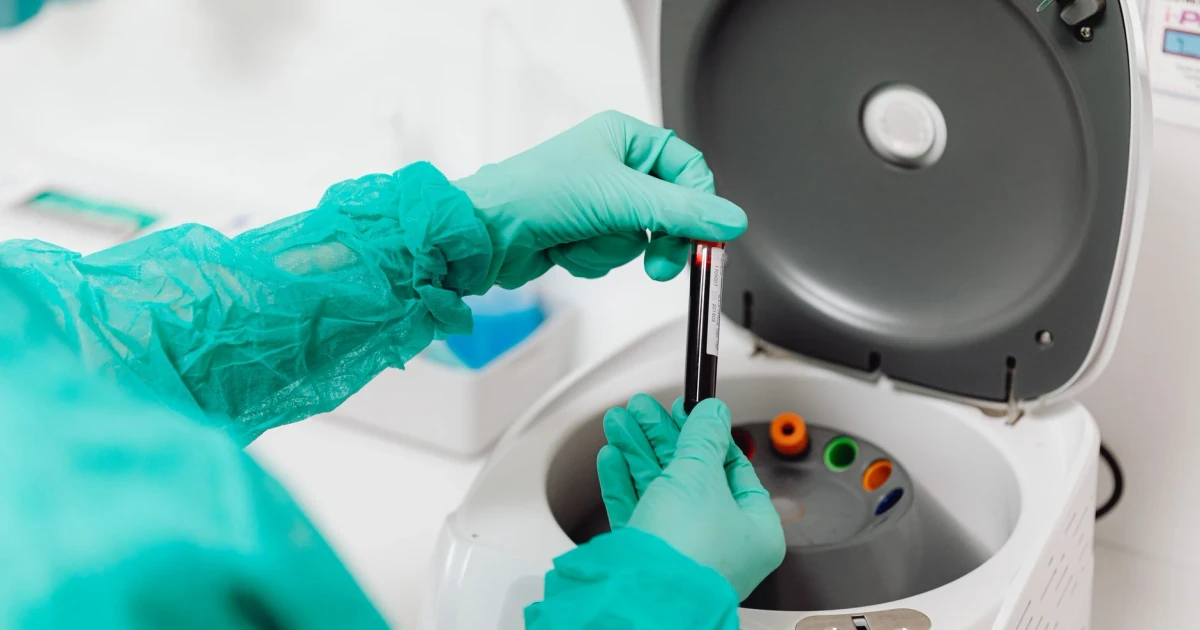
The U.S. Food and Drug Administration approved Ezplaz Freeze Dried Plasma for adults with bleeding, giving emergency crews a shelf-stable blood product that can be mixed on scene when liquid plasma is out of reach. Teleflex Incorporated, based in Wayne, Pennsylvania, said the approval came through a Biologics License Application and described Ezplaz as the first and only FDA-approved freeze-dried plasma product.
The practical change is in storage and transport. Freeze-dried plasma is designed to stay shelf-stable at room temperature longer than traditional plasma and be reconstituted when needed, which could make it easier to carry into ambulances, rural emergency departments, disaster zones and military settings where cold-chain storage is difficult to maintain. In those places, clinicians often face a brutal tradeoff: wait for standard plasma to arrive, or treat severe bleeding without it.
Ezplaz also arrives with a history shaped by military medicine. The FDA granted emergency use authorization for a freeze-dried plasma product in July 2018 for battlefield use. The Federal Register later published an emergency-use authorization dated Aug. 27, 2024, for a freeze-dried plasma product during an emergency involving agents of military combat. A 2017 U.S. Army article said dried plasma became a U.S. military capability after an urgent request from U.S. Special Operations Command.
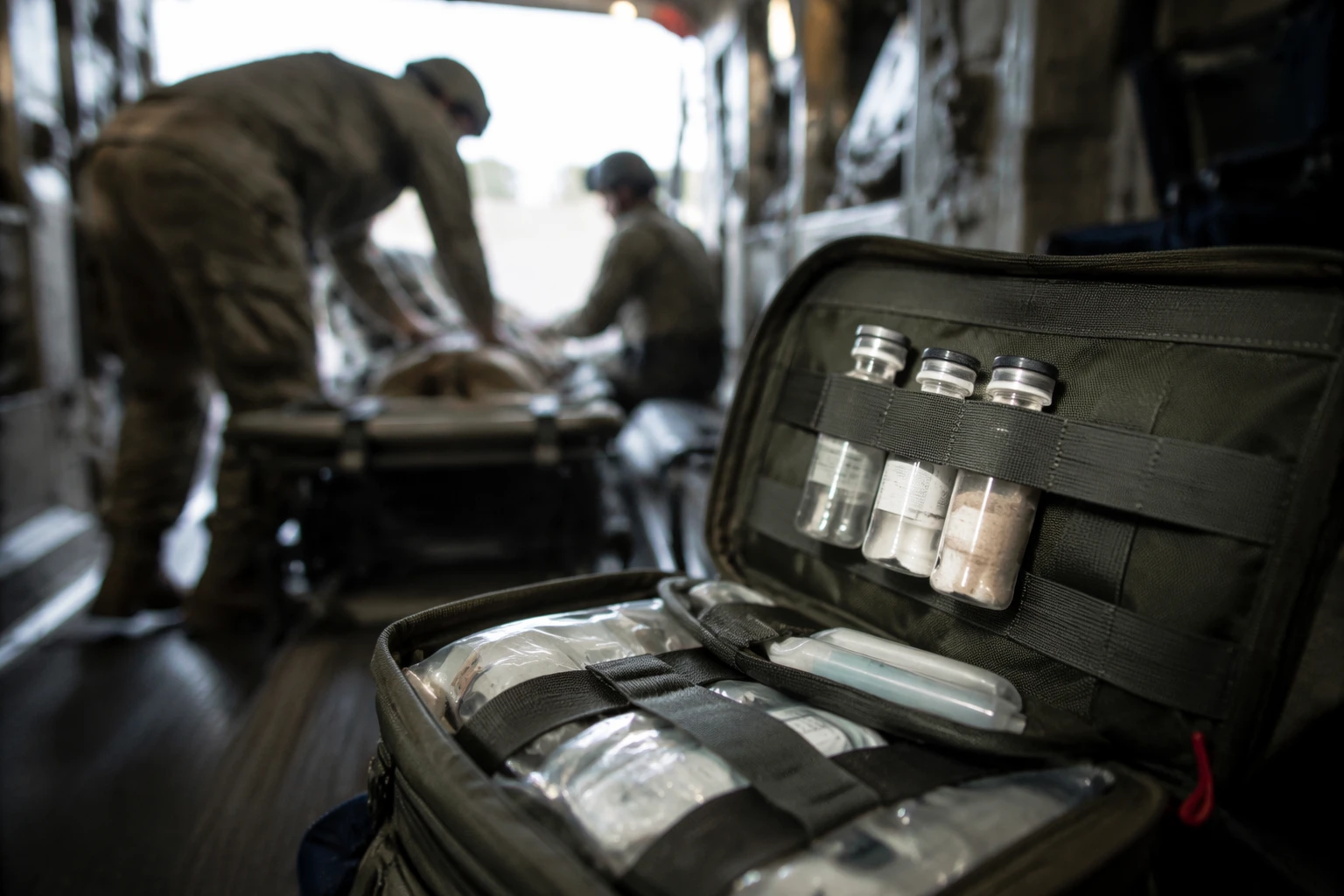
That background matters because freeze-dried plasma has long been viewed as a way to move plasma to the patient instead of forcing the patient to wait for a blood bank. A 2024 review in the journal Life Sciences discussed dried plasma in major trauma and its possible future role, reflecting interest in broadening its use beyond combat care.
Teleflex said Ezplaz is approved for transfusion in adults with bleeding, making that the first civilian population most likely to see it. For emergency physicians, paramedics and military medics, the value is not abstract: it is the ability to keep a plasma product ready without the same refrigeration burden that has limited access in the field.
Sources
- [1]reuters.com
- [2]investors.teleflex.com
- [3]medpagetoday.com
- [4]federalregister.gov
- [5]medscape.com
- [6]army.mil
- [7]pmc.ncbi.nlm.nih.gov
- [8]aabb.org