Health
FDA approves first new U.S. sunscreen ingredient in decades
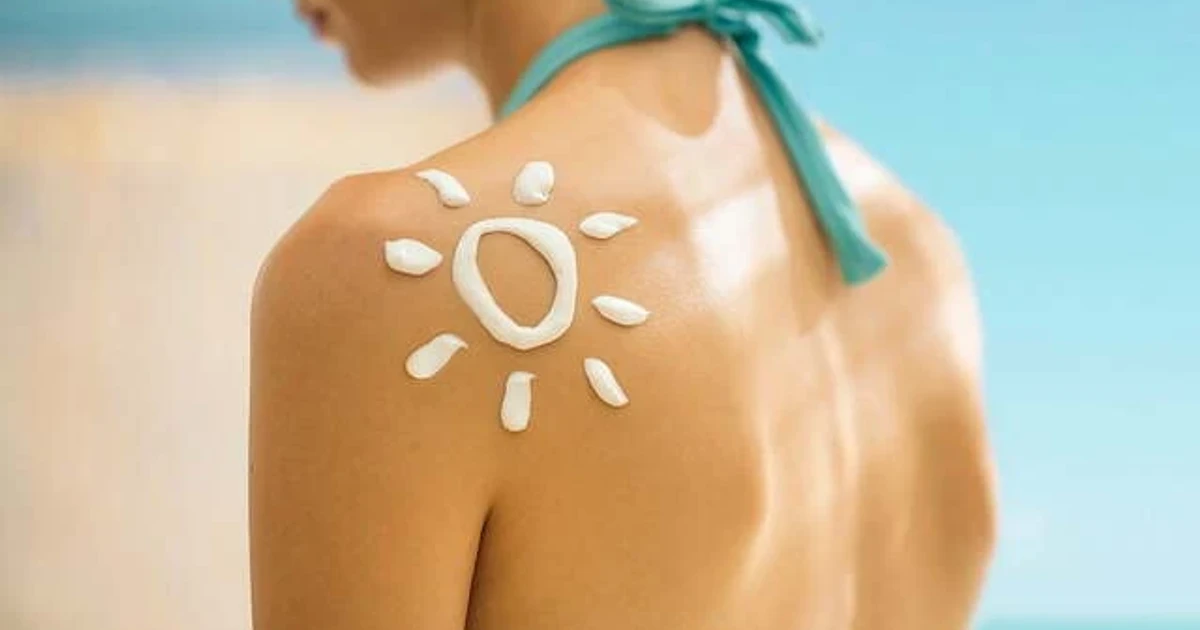
American sunscreen shoppers finally got a new active ingredient after decades of relying on the same aging lineup. The U.S. Food and Drug Administration on June 10 approved bemotrizinol, also known as BEMT, for over-the-counter sunscreen products, giving the country its first new sunscreen ingredient since the late 1990s.
The decision matters because bemotrizinol filters both UVA and UVB rays, the two main forms of ultraviolet light that damage skin and raise cancer risk. Unlike some older ingredients, it is highly photostable, meaning it breaks down more slowly in strong sunlight and can hold protection longer. The FDA also said the ingredient is unlikely to be absorbed into the body at concerning levels, and it cleared use in products for adults and children 6 months and older.
The final administrative order, OTC000039, added bemotrizinol to OTC Monograph M020 and allows concentrations of up to 6 percent. It can be used in oils, lotions, creams, gels, butters, pastes, ointments, sticks and sprays, though spray products must be made and packaged so the propellant does not come into contact with the formulation. DSM Nutritional Products LLC filed the over-the-counter monograph order request on September 23, 2024. The FDA issued a proposed order on December 11, 2025, before finalizing approval on June 10, 2026.
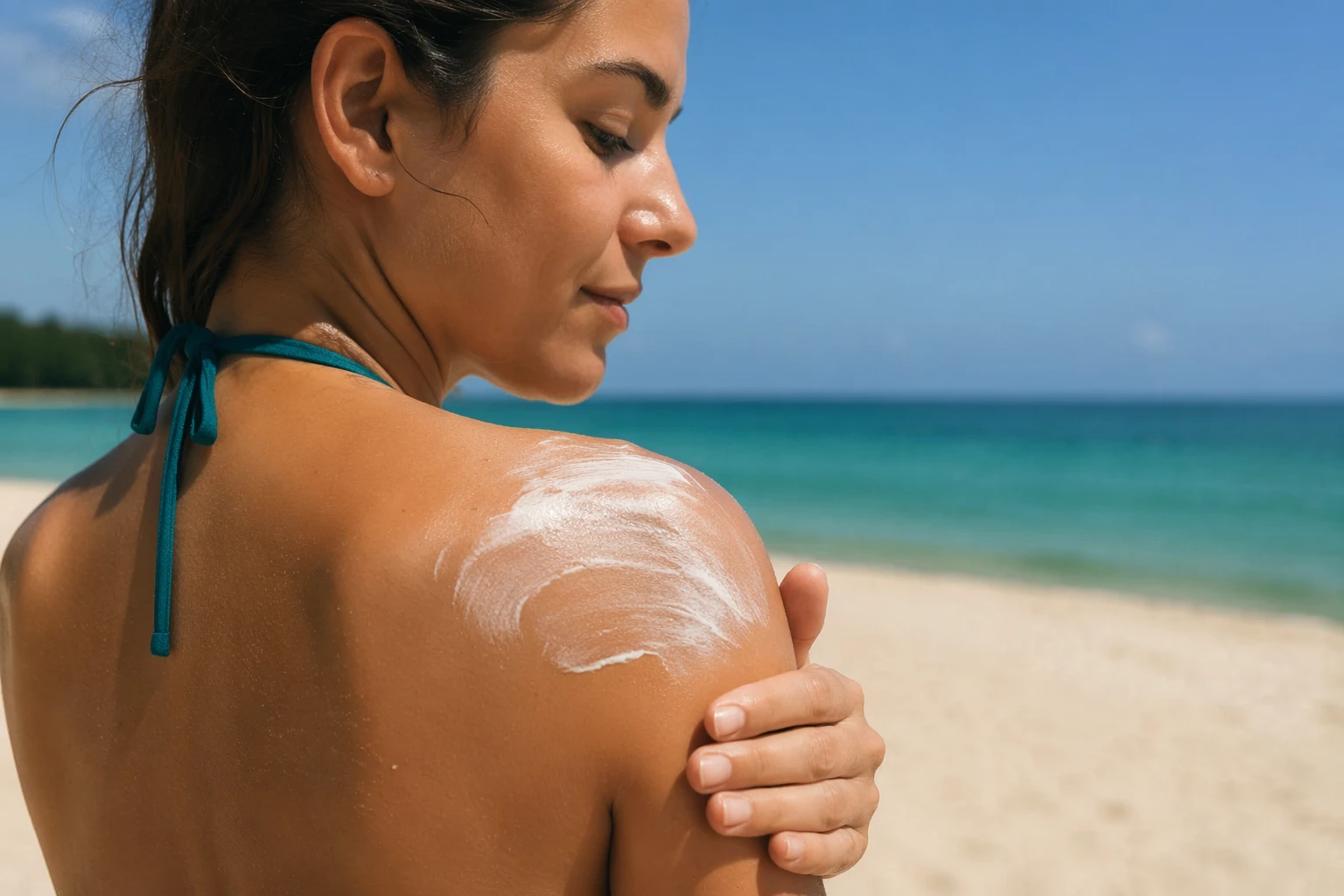
The regulatory shift closes part of the gap between the United States and markets abroad, where bemotrizinol has been used for years. That matters for consumers who have long faced fewer options in the U.S. than in Europe and Asia, especially if they want sunscreens with stronger broad-spectrum coverage, more elegant textures and formulations that are easier to wear every day. The ingredient’s low irritation profile also makes it more usable in products for younger children.
The FDA linked the action to broader efforts to modernize the sunscreen market and expand innovation, a priority it tied to its Make America Healthy Again agenda. Health and Human Services Secretary Robert F. Kennedy Jr. said the approval would increase competition and consumer confidence in sunscreen products. The American Academy of Dermatology Association applauded the decision as an expansion of U.S. sunscreen options, while dsm-firmenich, which markets the ingredient as PARSOL Shield, called it a milestone for innovation and public skin health.
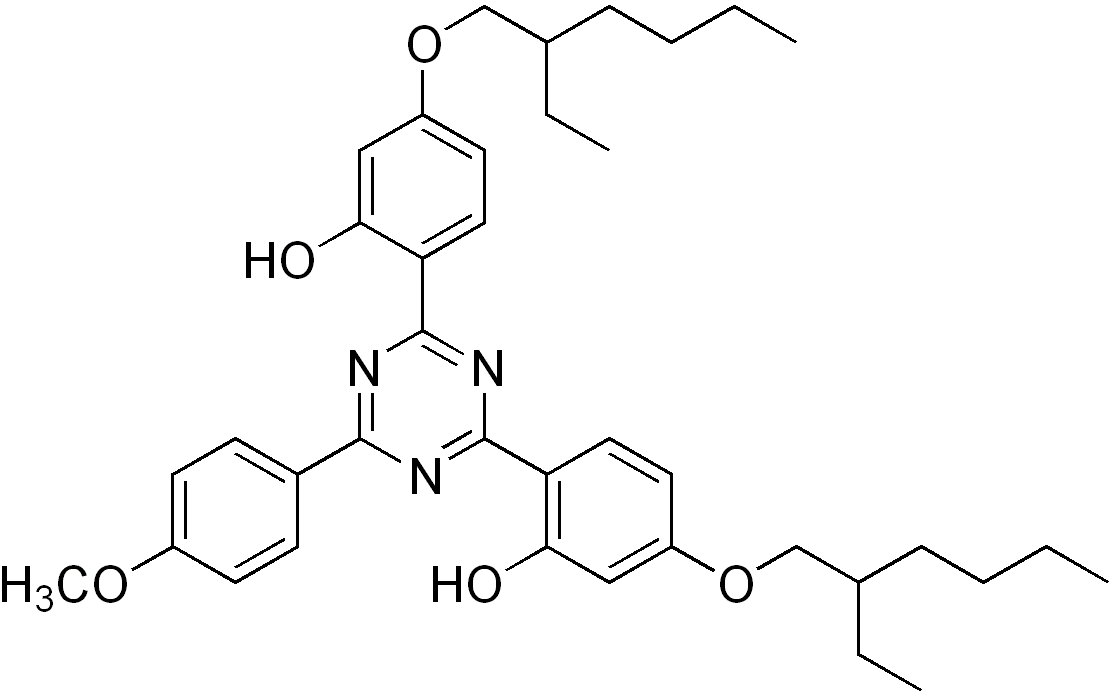
Still, approval is not the same as immediate access. Manufacturers now have to reformulate, test and distribute products, and shelves will not change overnight. Some industry coverage says finished products could reach the U.S. market later this summer, which would make the approval especially relevant during peak sunscreen season.
Sources
- [1]usnews.com
- [2]accessdata.fda.gov
- [3]fda.gov
- [4]aad.org
- [5]dsm-firmenich.com
- [6]publicnow.com
- [7]federalregister.gov
- [8]drugs.com