Health
FDA authorizes generic pill to treat screwworm in pets

Veterinarians now have a fast-acting pill they can reach for when New World screwworm appears in pets, a parasite that feeds on living tissue and can turn a small wound into an emergency. The U.S. Food and Drug Administration said the move is meant to help dog and cat owners, while also slowing a biosecurity threat the federal government is racing to contain.
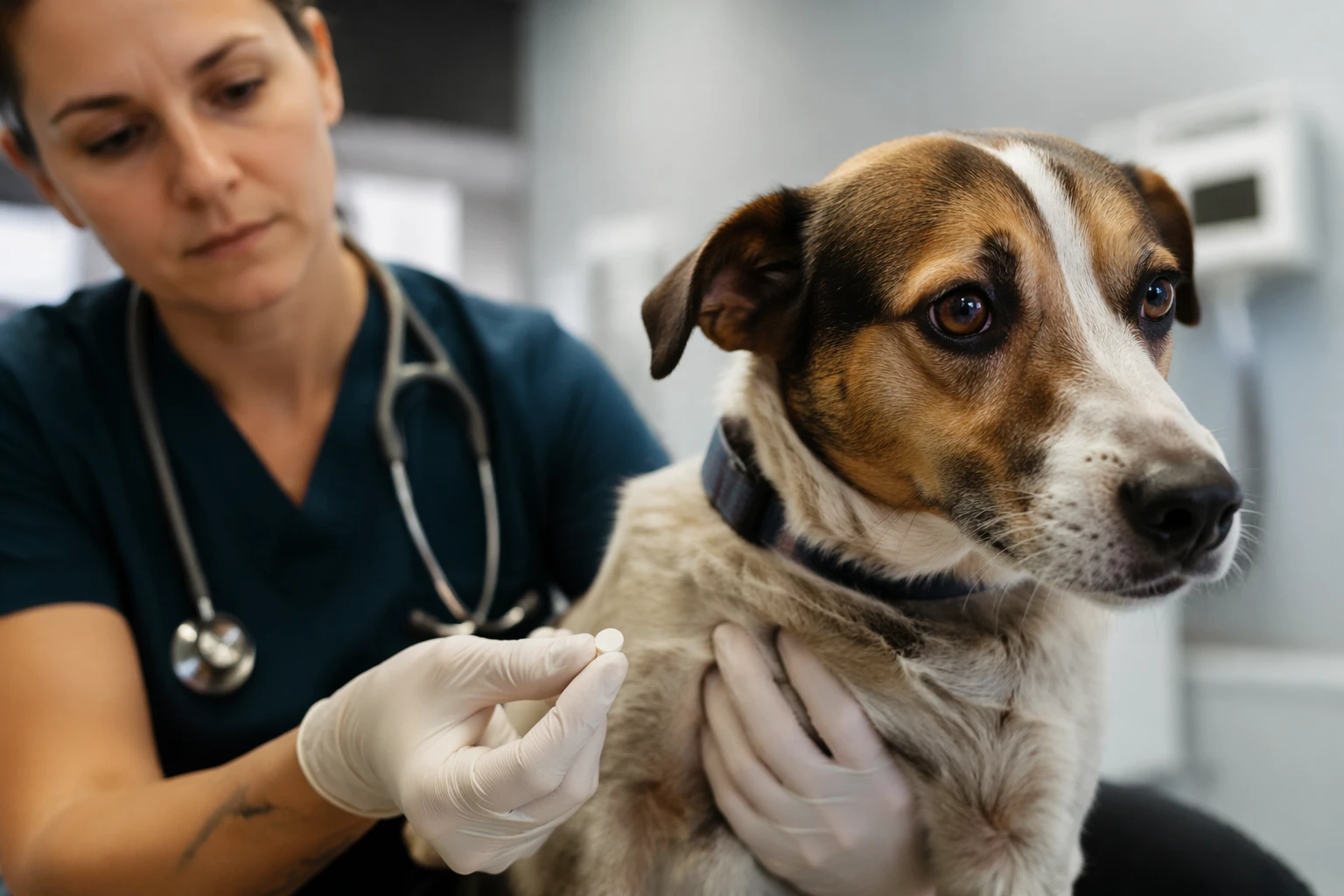
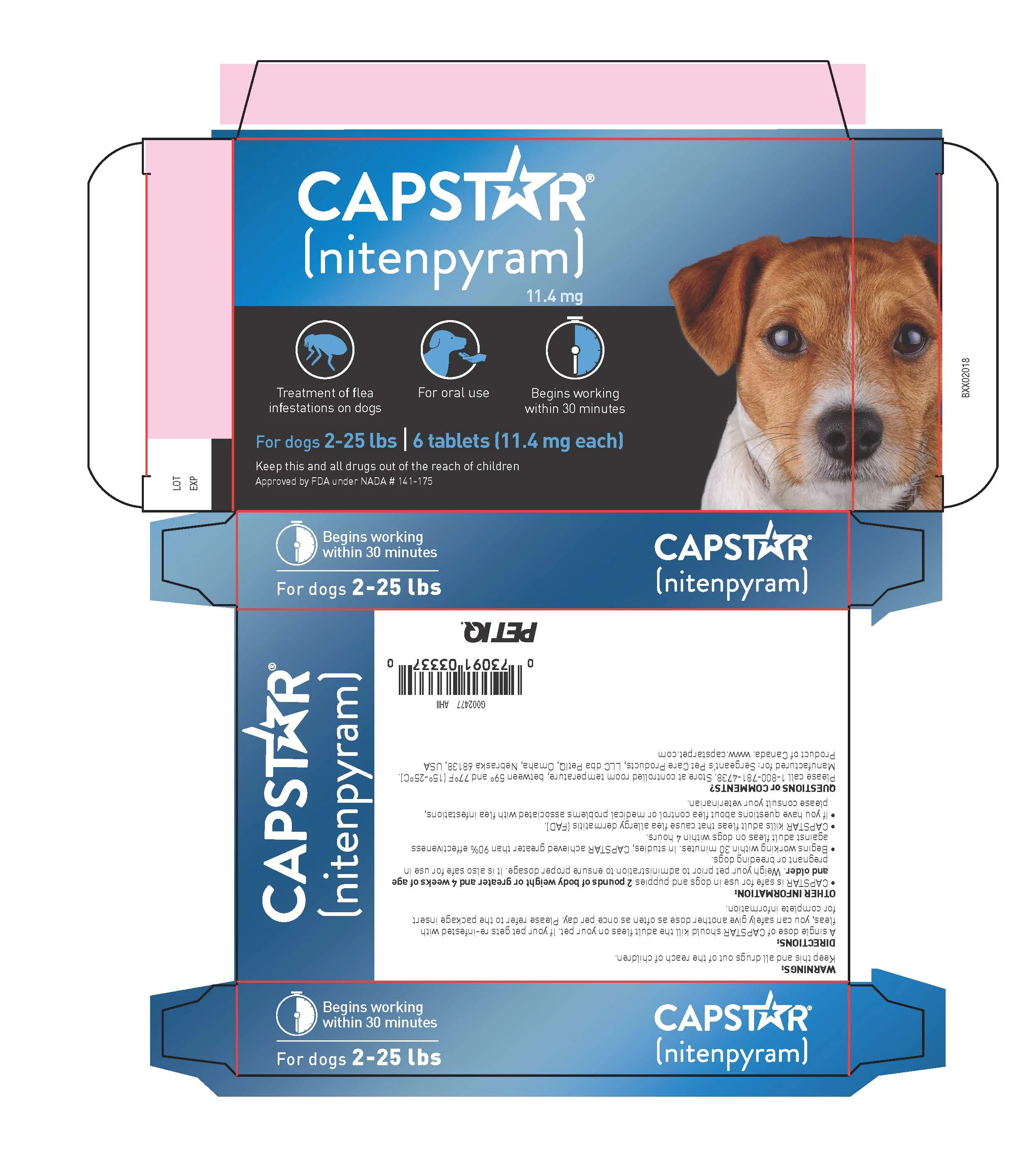
On June 11, the FDA authorized emergency use of generic nitenpyram tablets for dogs, puppies, cats and kittens that weigh at least two pounds and are at least four weeks old. The agency said it is the first generic animal drug cleared through an emergency pathway for New World screwworm. FDA guidance says the tablets are expected to kill most larvae within hours of the first dose, with a second dose recommended six hours later, but the medicine may not prevent reinfestation and veterinarians may still need to remove remaining larvae and treat wounds directly.
That urgency matters because screwworm does not behave like a routine skin infection. The Centers for Disease Control and Prevention says the larvae can infest open wounds and enter body openings, including the nose, eyes, ears, mouth, genitals and anorectal area. Animals can deteriorate quickly if the infestation is missed early, so any pet with a worsening wound, visible larvae or signs of infestation after travel through affected areas needs immediate veterinary attention.
The authorization came after federal officials confirmed the first domestic animal cases in more than six decades in cattle, a goat and a dog in Texas and New Mexico. USDA said the first U.S. dog case in the current outbreak was confirmed June 8 in Lea County, New Mexico, and a new case was confirmed June 9 in La Salle County, Texas, underscoring how quickly the situation has moved. HHS Secretary Robert F. Kennedy Jr. and Agriculture Secretary Brooke Rollins framed the effort as part of a broader federal response, while USDA said it continues to disperse 100 million sterile insects a week in Mexico and along the U.S.-Mexico border.
Officials have tried to keep the parasite from gaining a foothold north of the border. USDA said all southern ports of entry are currently closed to livestock trade, and its readiness materials say the sterile-fly release area is adjusted as needed to keep broad suppression in place. The CDC says the outbreak has moved northward since 2023 through Central America and Mexico, but no locally acquired human infestations have been reported in the United States.
USDA’s historical materials show why the alarm is so high. The parasite was eradicated from the United States in the 1960s, later reappeared in limited episodes, and has been detected in the United States and Puerto Rico 27 times in the past three decades, including 13 detections in animals in import quarantine. With Panama’s Darien Gap acting as a biological barrier and sterile-fly operations still central to containment, the new pet treatment is one more line of defense against a parasite the government is determined not to let spread.
Sources
- [1]usnews.com
- [2]fda.gov
- [3]aphis.usda.gov
- [4]cdc.gov